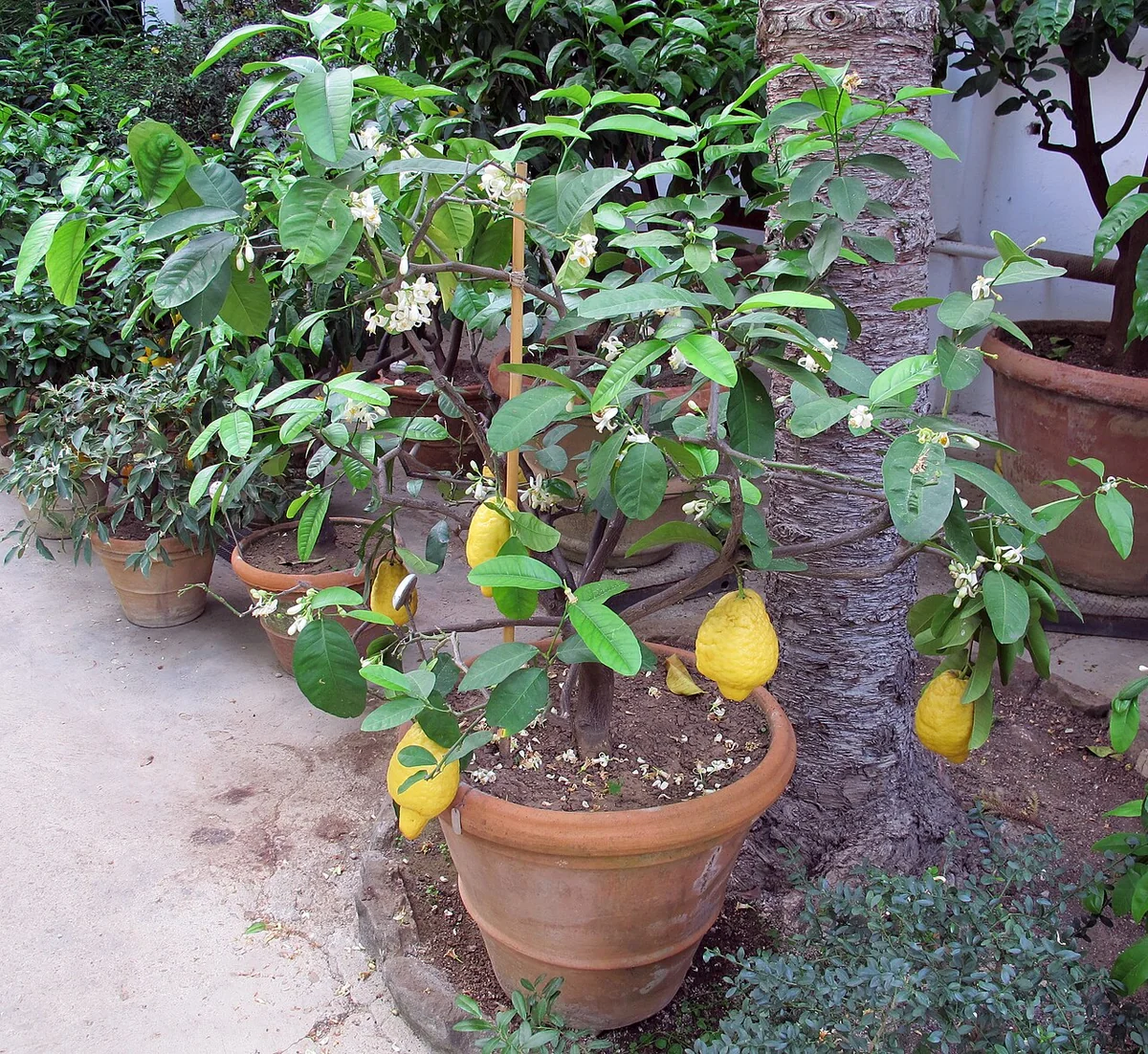
The citron is more than a large lemon
Citron deserves a place in a conservatory collection for its unusual fruit and long horticultural history, but it should not be bought as a small lemon with a different label. Citrus medica is one of the foundational citrus lineages, and cultivated citrons vary greatly. Some carry large elongated fruits with substantial aromatic rind; fingered forms develop a striking divided shape. Their space and support needs can be considerable in a pot. Decide whether the interest is botanical, ornamental or culinary before choosing a selection, because a general citron label does not predict every character of its fruit.
The crop has Asian origins and a history of movement through trade and cultivation over many centuries. A particular cultivar can have its own documented use and selection history, which is worth preserving with the plant. Do not invent a ceremonial meaning from the unusual appearance of the fruit or assume that any nursery citron meets another person's cultural requirements. Ask for an exact cultivated name and a clear propagation history. A tree sold on a dwarfing rootstock is not equivalent to an unknown seedling, and neither fruit size nor a small sales pot guarantees a permanently compact adult plant.
Fit the tree to a protected sunny room
Give a citron abundant light and appropriate warmth. A sunny conservatory or a carefully equipped growing room is a more realistic home than a dim shared office. The proposed site should accommodate both a broad crown and the weight of a mature fruit. Check how far a developing branch may extend toward glass, a blind or a seating area. A tree should not need constant dragging away from its only good window just so the room remains usable. If additional growing light is required through winter, resolve the fixture and clearance before buying the largest specimen available.
Introduce any outdoor summer placement gradually after protected conditions. New leaves formed indoors can be injured by a sudden move into strong direct sun, and the container can dry rapidly in hot wind. Choose shelter without hiding the crown in shade. Citron branches can be thorny, so a narrow balcony entrance or frequently used rail may be awkward. Plan a safe way to move the full watered pot back into protection when the season changes. A striking fruit is not a reason to keep a tender tree outdoors beyond the conditions it can tolerate.
The root system must support the display
Use a substantial but draining container mix and a pot with unobstructed outlets. Repot in response to the occupied root ball, not simply because the fruit looks large above it. A huge volume of unused damp mix can create problems around a small root system. Keep the previous collar depth and any graft union above the surface. Check for vigorous growth arising below the selected crown. The rootstock can produce shoots with quite different behaviour, so inspect their origin before allowing them to develop into a major branch. Support the trunk without binding it tightly to a stake.
Water deeply enough to reach the active roots when the mix begins to need replenishment, then let the excess drain. Inspect below the surface rather than relying on decorative gravel or the appearance of a single exposed root. A developing large fruit may increase the practical importance of regular observation, but it does not justify leaving the tree in a puddle. Compare the interval during active summer growth with its behaviour under winter protection. If the tree wilts while the root mix remains wet, investigate drainage and temperature before adding more water to the same already saturated space.
Fruit load and careful nutrition
An established citron can carry a spectacular individual fruit, but a small indoor tree does not need to support every fruit it initially sets. Evaluate the strength and leaf area of the branch as the crop develops. A suitable support can prevent a thin shoot from being pulled against a rim or neighbouring branch. Avoid tying material around the fruit so tightly that it damages the rind. Indoors, a soft clean brush may assist pollen transfer while flowers are open. Fruit retention still depends on light, the particular selection and the condition of the whole tree.
Apply an appropriate citrus fertilizer during useful growth at the product's instructed dilution. Citron is not improved by a succession of concentrated bloom products given in response to impatience. Look at the newest leaves and the pattern of any discoloration, and consider the irrigation water and root environment before adding separate mineral treatments. Fresh medium may already contain fertilizer. Record feeding so that two people do not both apply it to a shared conservatory specimen. The relationship between a growing canopy and its fruit is more useful to observe than a single exaggerated claim about a special product.
Keep the branch structure legible
Prune out damaged growth and confirmed rootstock shoots, then make only the reductions required for a sound accessible framework. A large fruit near a branch end can make an otherwise balanced crown lean, so inspect the tree as the crop develops. Do not repeatedly remove all new tips without considering where later flowering growth will arise. Leave space to examine the interior rather than maintaining a dense outer ball of leaves. When a major reduction is needed to fit the winter room, acknowledge that the choice of selection or final container size may need reconsideration as well.
Before bringing a summer tree indoors, check for scale insects, mites and other pests around leaf undersides, branch junctions and fruit stalks. Sticky residues can draw attention to sheltered insects. Clean leaves gently when needed and avoid using oily shine products simply to create a showroom appearance. If a new leaf flush fades or the canopy drops leaves after a move, review the actual conditions rather than changing every part of the routine simultaneously. A well labelled citron with a record of its seasonal response is easier to understand than a tree shifted between rooms whenever one fruit changes colour.
Give a citron as a specialist interest
A citron can make an excellent gift for a citrus collector or someone with an established interest in the history of cultivated plants. Its sculptural fruit may suggest curiosity and patient observation as a personal interpretation. It is not an easy default housewarming gift for a recipient whose window space is unknown. Confirm the cultivar if the present is connected with a specific tradition or culinary purpose, and obtain the nursery's treatment information before suggesting that retail fruit be used as food. The most considerate gift package includes a workable pot, a clear label, and an honest account of the light, warmth and maintenance it requires.