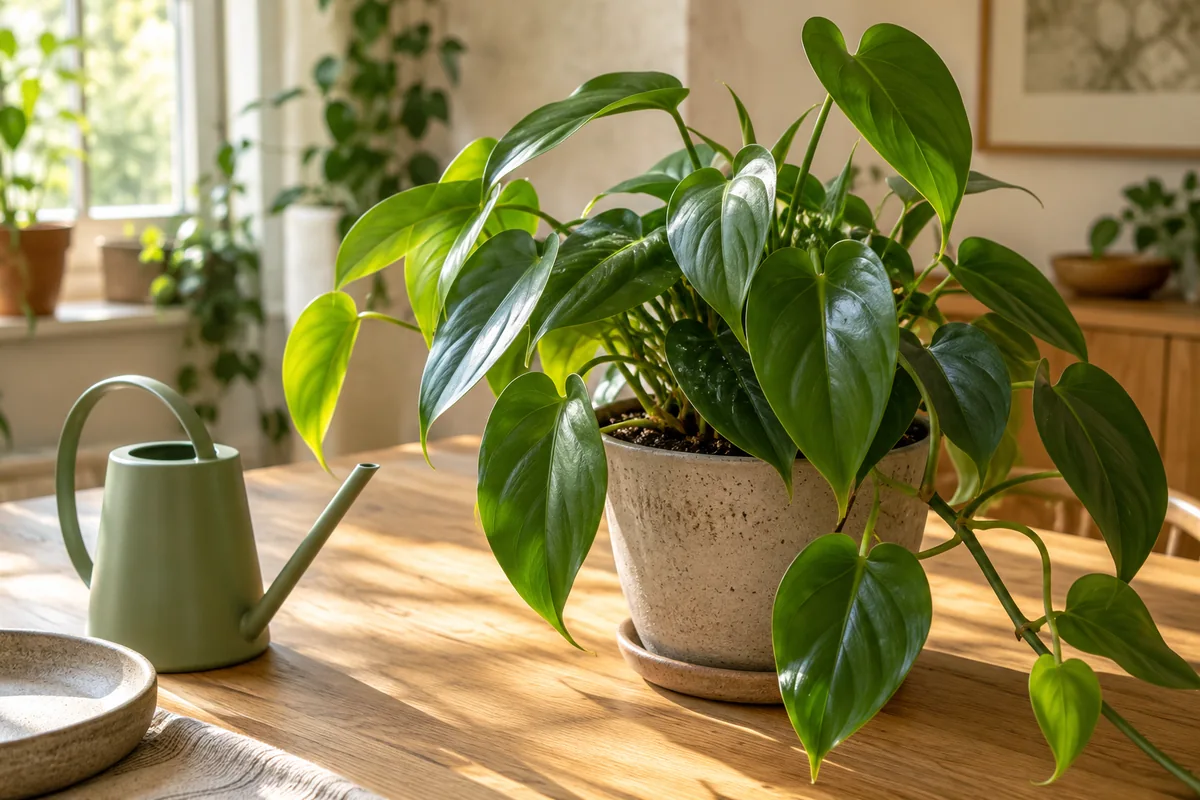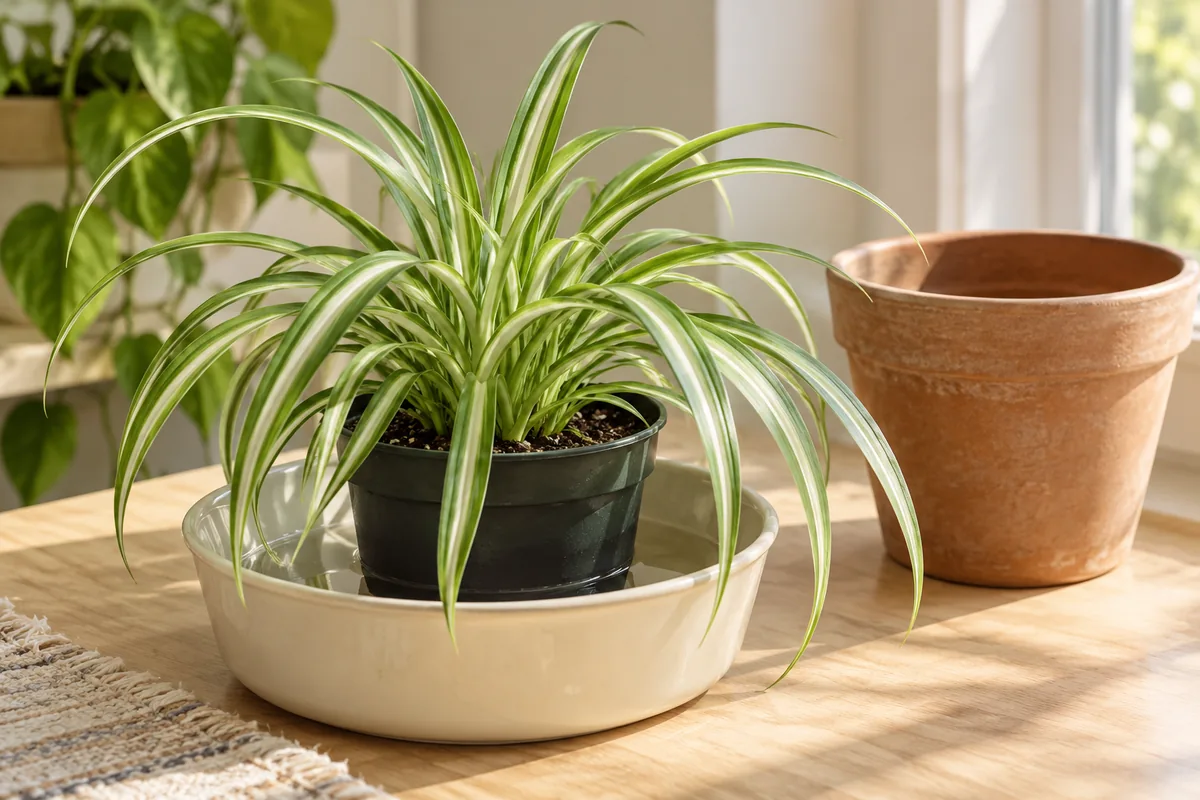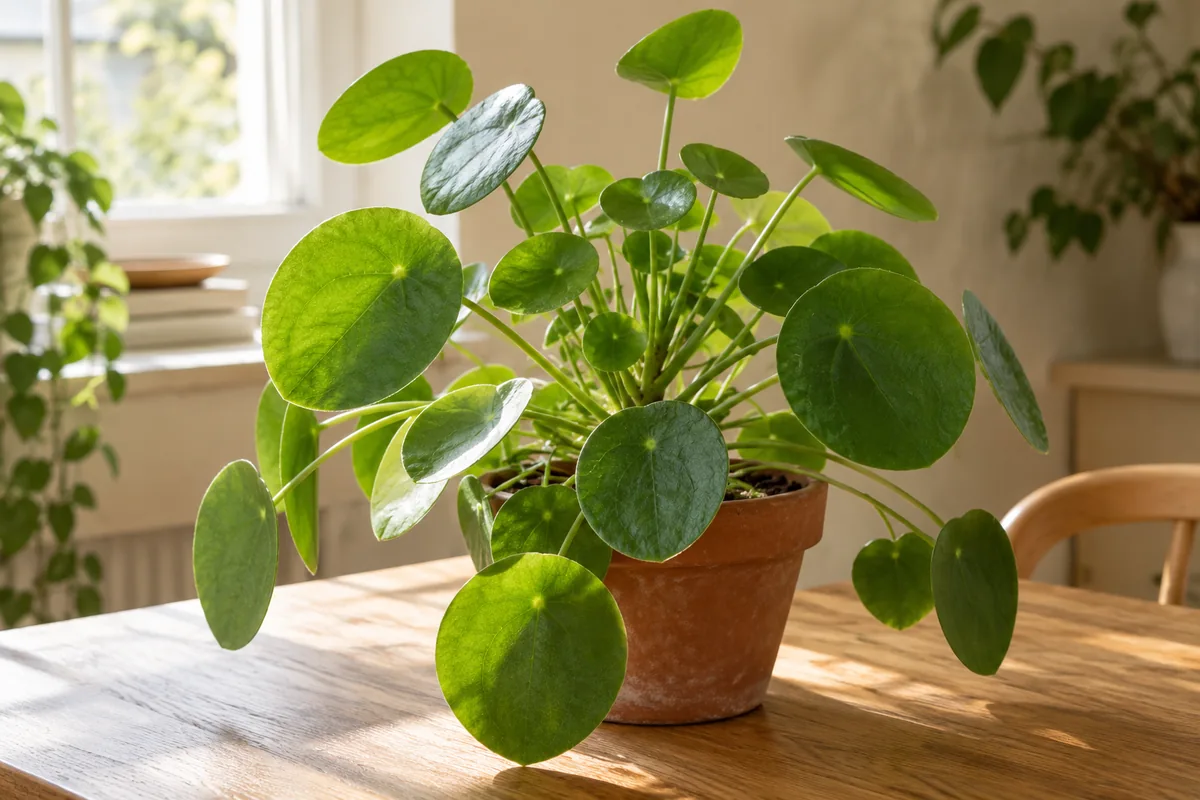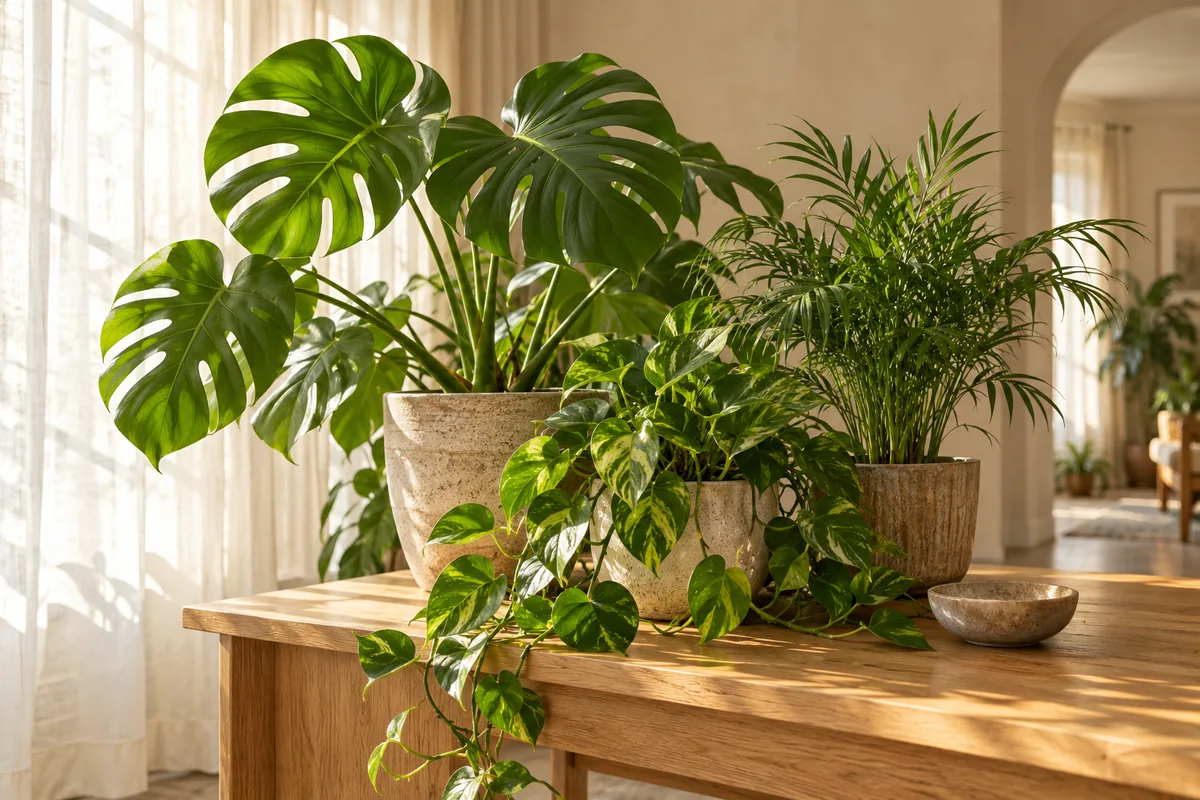
A south window can be dim and a north window can be surprisingly bright. Direction matters, yet the view beyond the glass matters too. A deep porch, a large tree, or a neighboring wall may remove most of the light that a compass label seems to promise. Before choosing a plant position, spend time looking at the actual window through the day. Notice where direct sun lands, how long it stays, and which parts of the room remain shaded. The plant experiences those details at leaf level. A useful growing position begins with that observation rather than a rule that every window facing the same direction behaves alike.
In the Northern Hemisphere, an unobstructed south facing window often receives strong light and can provide direct sun for much of the day, with the pattern changing through the year. This can suit many sun loving plants after gradual acclimation. Tender foliage that formed in shade may need a curtain or a position slightly back from the glass. Check heat as well as brightness, especially in summer. A broad leaf close to a hot pane experiences a different setting from one farther into the room. In the Southern Hemisphere, the strongest general directional pattern is reversed, making north facing exposure the relevant starting point.
East facing windows usually receive direct morning sun and softer light later. That can create a useful position for many foliage plants that appreciate brightness without intense afternoon exposure. The result still depends on season, latitude, and outdoor shade. A wall just beyond the window can block the morning period entirely. Observe the light reaching the proposed shelf rather than only the glass. Plants above the top of the window frame may receive less than those below it. A hanging pot needs the crown illuminated as well as the vines, particularly if new growth begins from a central point hidden high in the room.
West facing windows often receive stronger afternoon sun. The room may already be warm by then, increasing the demand on leaves and roots. A sheer curtain can soften exposure for plants that prefer filtered light, while a plant adapted to direct sun may use the position well. Introduce a specimen gradually if it has been growing in a sheltered room. Dry pale patches appearing after a sudden move suggest that the transition was too abrupt. Do not assume more water alone can compensate for unsuitable sun intensity. Adjust the light and continue checking root moisture according to the plant's needs.
North facing windows in the Northern Hemisphere often provide more even indirect light with little direct sun. An open unobstructed view can support shade tolerant foliage plants close to the glass. A heavily shaded north window may be much dimmer and require a different choice or supplemental lighting. Low light tolerance means a plant can manage with less light than another species; it does not mean it can grow indefinitely without useful daylight. Watch the newest leaves and stem spacing. Very small leaves, long gaps, and a strong lean can indicate that the position is not supplying enough light for the growth you expect.
Distance from the window changes the available light quickly. A room that feels bright to a person can become a poor growing place several feet from the opening, especially beyond the side of the window. Curtains, blinds, insect screens, tinted glass, and dust also influence what reaches the foliage. Keep the glass reasonably clean and observe the effect of the treatments normally used in the room. A window that stays covered during working hours does not provide the same growing conditions as an uncovered one with the same direction. Place the plant according to everyday use, not the brightest moment during an unusual open curtain afternoon.
Seasonal sun angles can move a direct beam across the room and change its duration. Trees may shade a window more in summer and open it in winter. Shorter days reduce total light even when a sunny hour looks intense. Review plant positions as the season changes and move gradually when a different exposure is needed. Water use changes with the light, so check the root ball rather than carrying over the previous interval automatically. A plant moved away from direct sun may remain damp longer. A plant placed in a brighter window may need more frequent checks without necessarily needing a larger pot or stronger fertilizer.
Choose the plant and position together. A jade needs a different level of brightness from a cast iron plant, and neither benefits from being forced into a display chosen only for appearance. Keep a simple note of direct sun hours and photograph the same spot at several times of day. That small record reveals more than a compass reading alone. Once the plant is placed, judge the next growth and adjust in measured steps. Window direction provides the first clue, while shade, distance, season, and daily room habits complete the picture that the leaves actually experience.