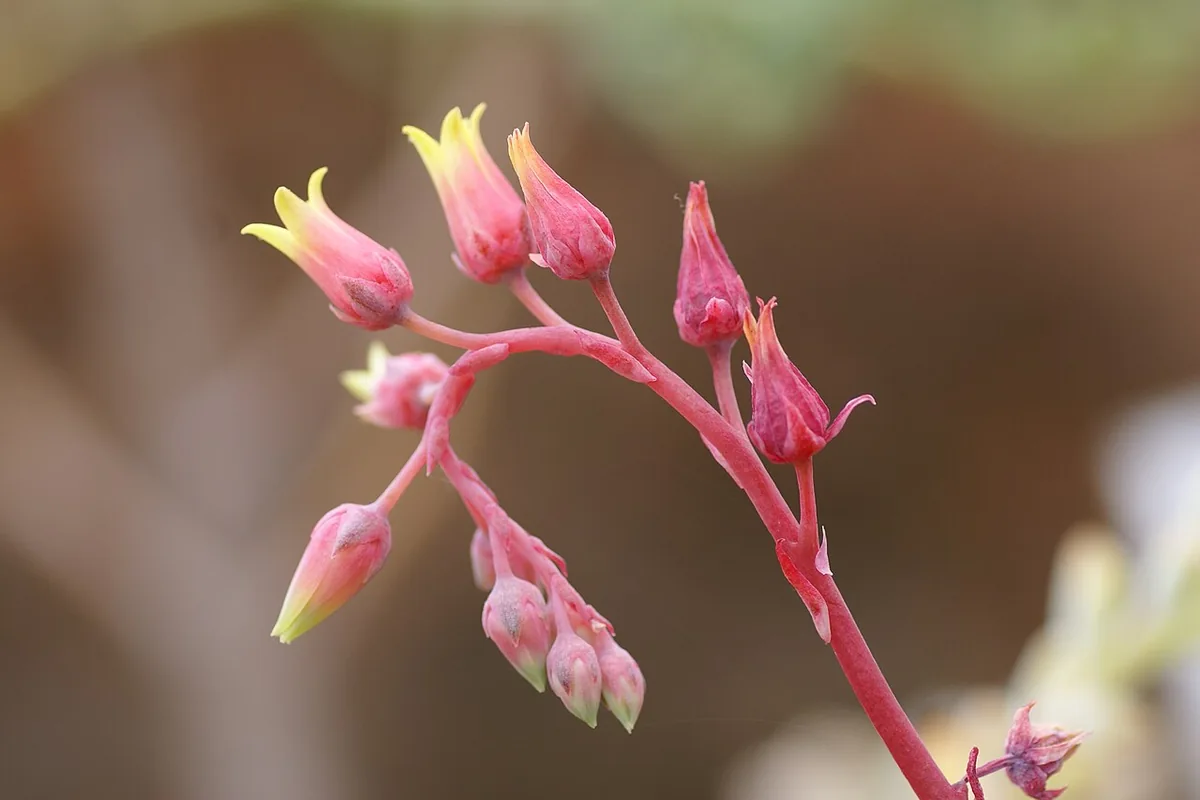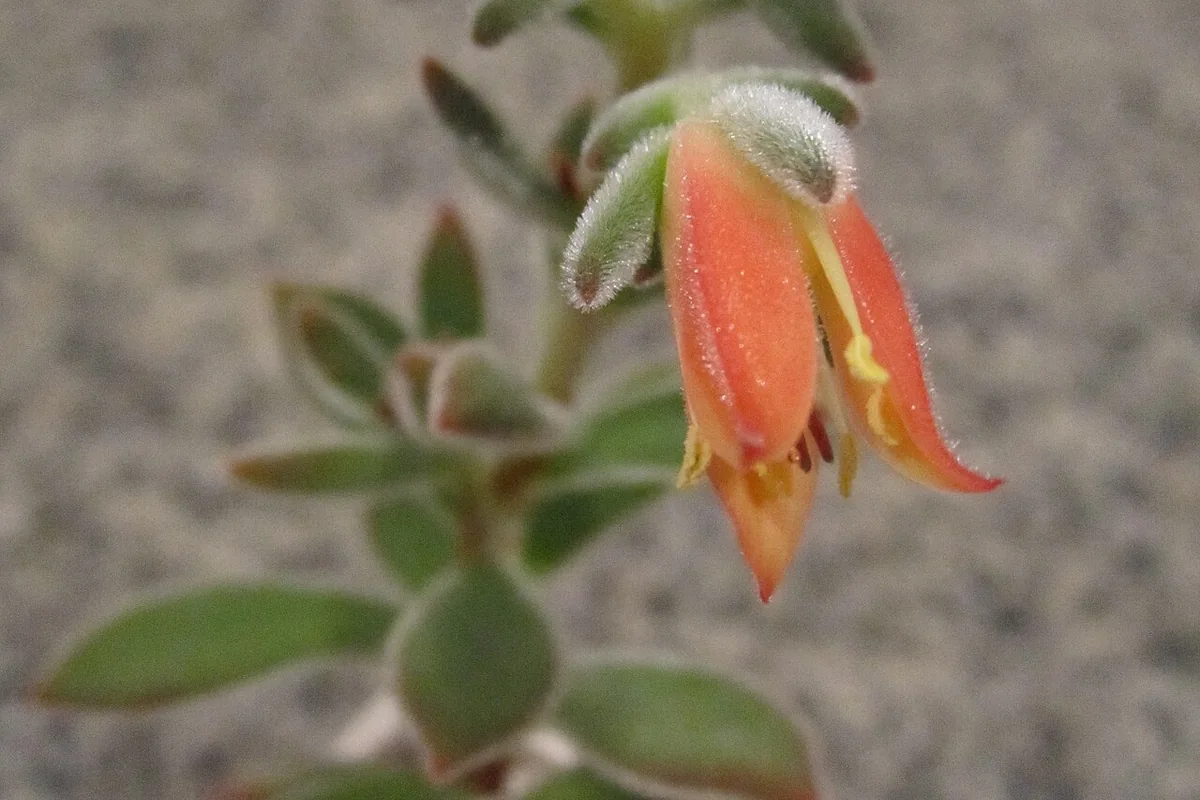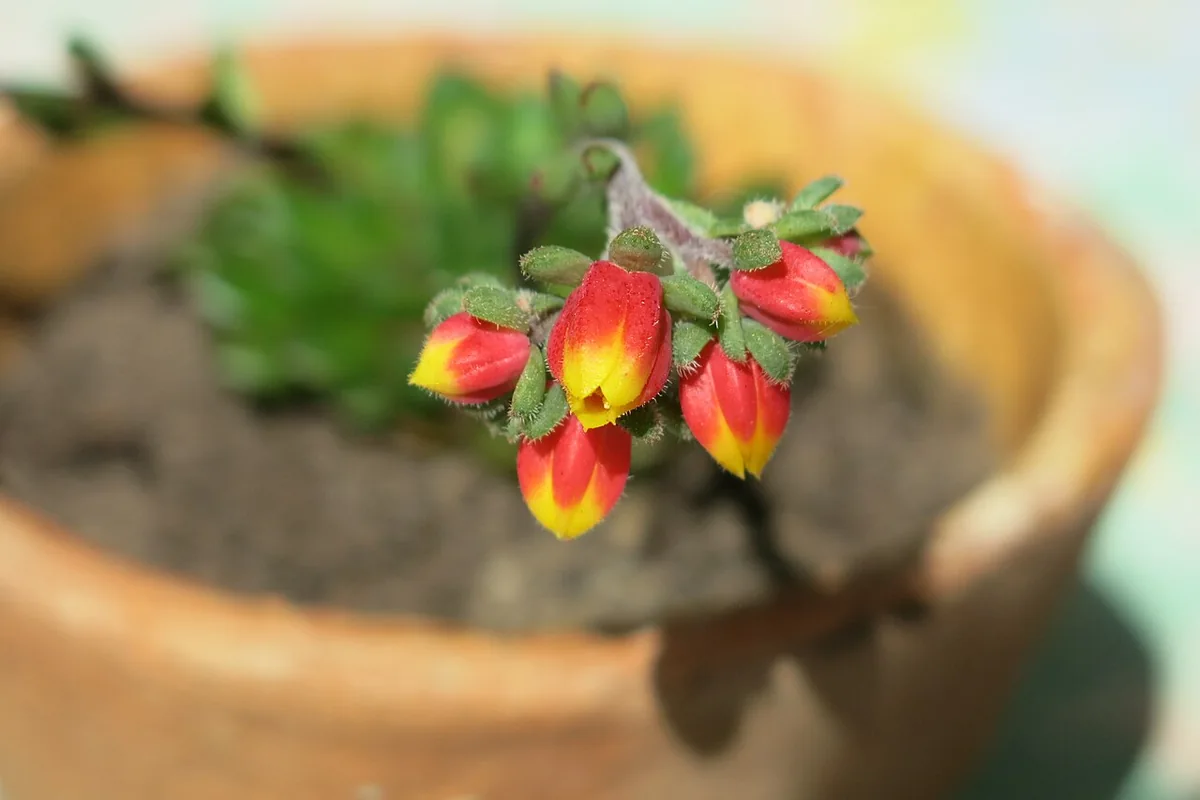
Mexican Snowball brings pale blue green rosettes producing slender arching stalks with pink and yellow bells to a container collection. The botanical name is Echeveria elegans, and keeping that name attached to the pot helps distinguish this plant from other flowers sold under a similar common label. Plan for the living structure as well as the flowers, with space to see its natural outline and reach the roots for watering. The permanent plant is a water storing structure, while its flowers are a seasonal event. A small specimen can therefore be attractive for a long time before a reliable flower cycle develops. Buy nursery propagated material with a firm base and a clear identity rather than a plant with decorative flowers glued onto it. Keep the label with the pot so that natural flowering can be distinguished from a retail embellishment.
Choose bright light with gentle sun introduced gradually for mexican snowball. This preference is the starting point for the growing position, rather than a promise that every bright looking part of the home will behave alike. Stored water does not remove the need for useful light. Judge the firmness and spacing of new growth as well as the colour of old surfaces. A plant that has spent months beneath nursery shade should not go straight onto a fiercely hot summer sill. Increase exposure in stages, checking the side that faces the glass. Pale dry patches on an exposed surface call for an exposure review rather than another application of fertilizer.
For Echeveria elegans, the practical watering principle is to water the mix thoroughly then allow it to dry rather than filling the rosette. The important distinction is the condition of the occupied root ball, not whether the pot happens to stand indoors or outside on a particular day. Test the actual root zone instead of using the apparent dryness of the decorative gravel as a guide. Lift a small container before and after watering to learn its changing weight. When a drink is appropriate, wet the root mix and let runoff escape. Repeated tiny splashes can leave a wet neck and dry lower roots. During a cold slow period the previous summer interval can become much too frequent.
Use a gritty porous succulent mix in a pot with open drainage when potting mexican snowball. The stem and root arrangement deserves as much attention as the decorative colour of the container. A mineral ingredient contributes structure, but no single amendment can rescue a container without drainage. Avoid a decorative outer pot that hides collected water. Keep the established stem base at its previous level, and do not pack damp material high against a fleshy crown. Choose a container that fits the present roots instead of a large empty volume chosen for the eventual plant. Handle spines, soft skin and detachable offsets carefully during the move.
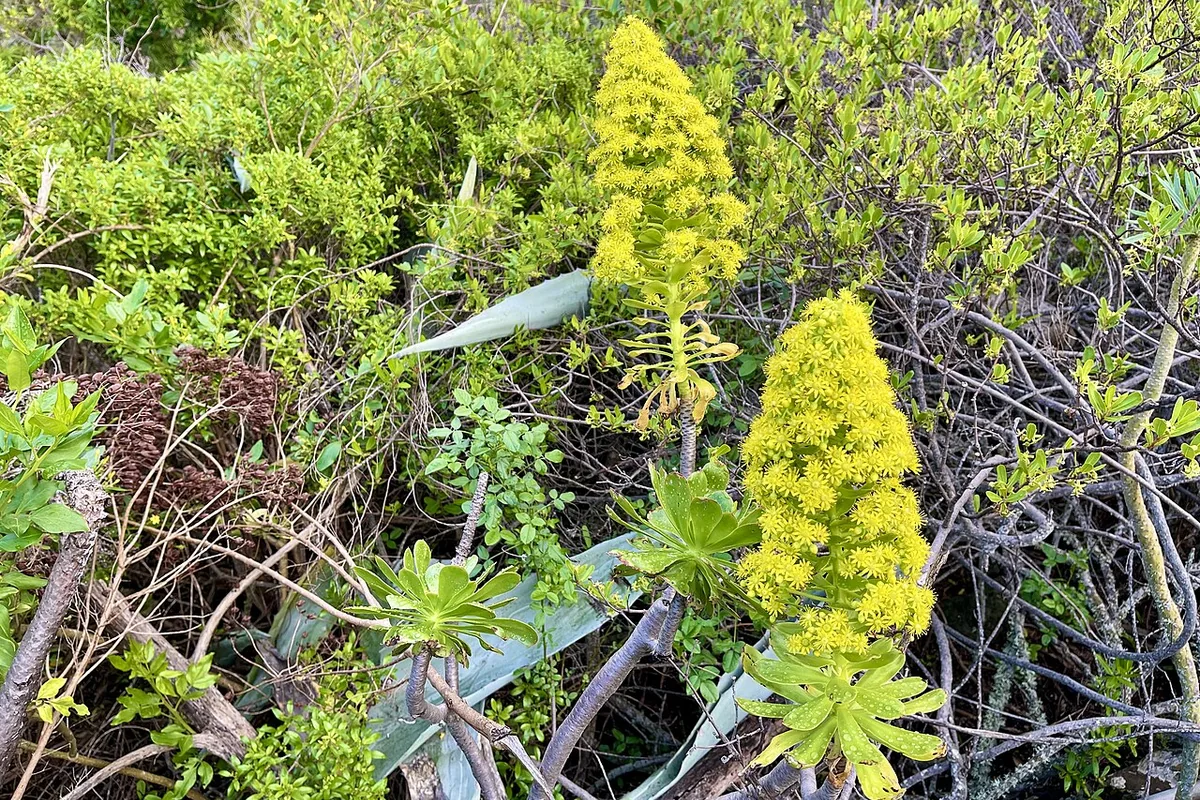
The flowering behaviour of mexican snowball is worth watching closely: the leaf rosette and the later arching flower stalk are different structures and both need space. Expectations should be based on this plant and the selected cultivated form, rather than a photograph of an unrelated species carrying its peak display. Distinguish a species capable of flowering from a guarantee that a tiny indoor specimen will bloom every year. Maturity, useful light and the correct seasonal rhythm matter before a stronger feed is considered. Fertilize sparingly during actual growth and follow the product dilution rather than making a concentrated flowering mixture. Watch the position where buds emerge so that routine tidying does not remove the very structure carrying the coming display.
For routine shaping, cut a fully spent flower stalk near its base without cutting the living rosette. That timing and method belong to the way Echeveria elegans builds its flower bearing growth. Succulent and cactus tissue should not be treated like an ordinary hedge. Work only on a firm plant in conditions that allow any wound to settle. A flowering stalk, a living rosette, a swollen trunk and a graft union have different functions. Identify the part before cutting, use a clean tool, and keep fresh wounds out of damp packed mix. A balanced small specimen usually needs less intervention than a poorly lit stretched one.
When the season changes, keep bright frost free and much drier in cool slow conditions. The seasonal routine for mexican snowball therefore needs a review of its actual growth, rather than an automatic continuation of the busiest summer watering pattern. The important change is the combination of temperature, light and root activity. A window can feel warm during an afternoon yet become very cold beside the glass overnight. Leave a gap between the plant and the pane and check the minimum conditions around the pot itself. Reduce feeding when growth stops. Resume watering cautiously as active growth returns instead of soaking a resting plant solely because the calendar says spring.
To raise another mexican snowball plant, detach suitable offsets after they have developed enough structure. The best route depends on the material that this species can provide and whether preserving a selected cultivated form matters. Propagation material needs enough living structure to form a complete independent plant. A detached fragment is not equally useful for every succulent. Keep cut material identifiable and use clean containers with drainage. Where a cut surface needs to dry, allow it to settle before contact with moist mix. Once roots form, introduce the young plant gradually to stronger light. Avoid treating a new cutting as though it already has the reserves of a mature specimen.
One particularly useful point when keeping Echeveria elegans is that water sitting among tightly packed leaves increases problems when light and air movement are poor. Start the next inspection with that detail in mind and compare the affected area with the rest of the plant. Inspect the base and sheltered spaces as carefully as the most visible top. A soft discoloured area differs from a firm old scar, and insects can hide between stems or beneath dry remains. Isolate a new purchase while observing it in suitable light. Keep a short record of watering and seasonal growth before changing several conditions together. That record makes it easier to separate an ordinary rest from a developing root or pest problem.