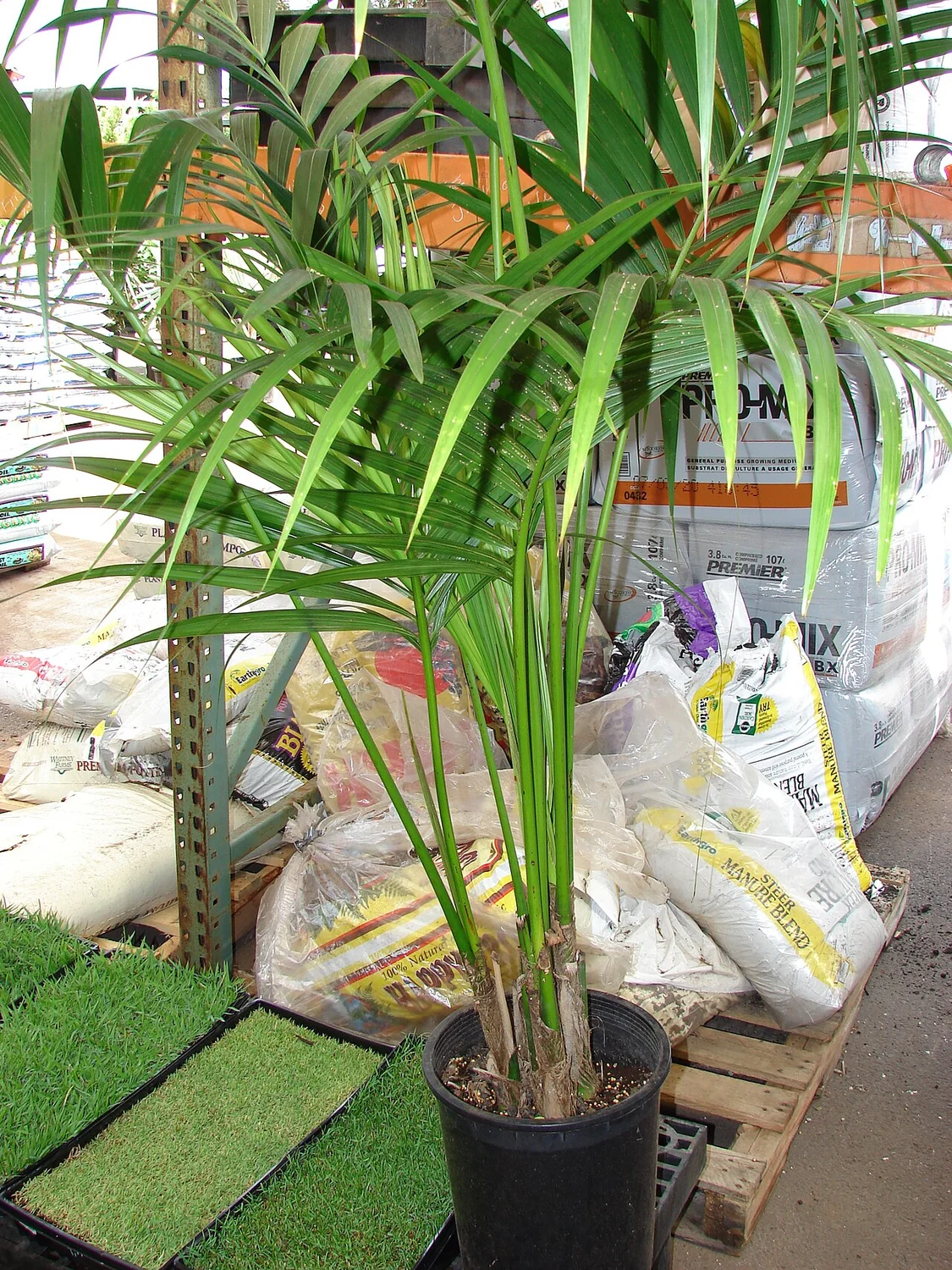
An Island Palm in the Living Room
A kentia palm changes a room through the spaces between its leaves. The long, relaxed fronds allow a view through the canopy, making Howea forsteriana useful beside a reading chair or at the edge of a meeting area. This is a genuine palm with a single growing tip on each trunk, rather than a branching tree that can be repeatedly cut back. Several trunks in a nursery pot usually represent several seedlings planted together. That distinction should influence the purchase: the height and spread need to suit the room because pruning cannot turn an oversized palm into a short, bushy specimen.
The species comes from Lord Howe Island, a small Australian island in the Tasman Sea. Its geographically restricted origin is a useful corrective to the vague idea that every palm belongs to an interchangeable tropical beach. Kentia has become an internationally familiar interior plant, while its native habitat remains a very particular place. The botanical genus preserves the island name. For a home display, the island connection offers an interesting story without requiring a claim about luck, purification, or special powers. A plant label with the scientific name is more informative than a generic tag reading simply indoor palm.
Daylight and a Reachable Root Ball
Choose a position with useful indirect daylight reaching the entire canopy. Kentia tolerates less light than many palms, but tolerance means slower survival and growth rather than a preference for a windowless room. An office with a broad bright window and some distance from direct afternoon sun is a realistic setting. A deep corridor illuminated mainly for people is considerably less promising. Check whether the upper fronds will meet blinds when opened and whether a ceiling vent blows directly across the growing spear. The broad arch of a mature frond often requires more lateral clearance than the nursery container suggests.
Watering should keep the established root ball from becoming either a dry brick or a permanently wet reservoir. Examine the upper mix and the weight of the container, then water thoroughly when a modest drying interval has occurred. The appropriate interval changes when the palm is moved from a warm greenhouse to a cooler office. Do not add a little water every time someone passes the pot. Assigning one person responsibility helps prevent overlapping efforts. After soaking, inspect the decorative cover pot: hidden surplus at the bottom can remain long after the surface appears ready for another watering.
Preserving Roots and Working Fronds
An open, humus-rich potting medium gives the roots moisture and air together. Use a draining nursery pot inside an attractive cover if that makes moving and checking the palm easier. Resist a dramatic increase in pot diameter merely to balance a tall canopy visually. A heavier outer planter can supply stability without surrounding the roots with unnecessary damp compost. Kentia does not benefit from frequent exploratory root disturbance. Repot when the occupied root system and declining medium justify the work, keeping the root ball substantially intact and setting the trunk bases at their previous level.
Maintenance is mostly a matter of restraint. Keep a green frond even if a few leaflet tips are imperfect, because its remaining surface still contributes to the palm. When a lower frond has become completely brown, remove it carefully without cutting into the trunk. Never shorten the central spear to reduce height. Dust can be lifted with a soft cloth supported beneath individual leaflets; pulling a cloth along an unsupported frond risks tearing them. Strong leaf polish is unnecessary. A mature palm should look like a growing organism with a few signs of age, rather than a permanently flawless plastic prop.
Nutrition, Leaf Age, and Early Pest Clues
Use modest nutrition while the palm is producing growth, following the chosen houseplant fertilizer label and accounting for any feed already present in fresh compost. Brown tips are not an automatic request for additional fertilizer. Accumulated salts, inconsistent watering, root damage, and dry moving air can produce similar cosmetic results. Examine the newer foliage and the moisture history before changing treatment. If a palm has only recently arrived, allow a settling period before adding another source of stress. The slow pace of new fronds means that both improvements and mistakes can take time to become obvious.
Inspect leaflet undersides and the narrow spaces around their bases for pests, particularly when warm indoor air becomes dry. Fine webbing and a dusty, stippled surface deserve attention before a whole canopy deteriorates. Isolate an affected pot while identifying the problem and selecting an appropriate response. A single older yellow frond is different from several new fronds changing together. Record any move, prolonged dry spell, or soaking incident so the pattern can be interpreted. If the growing spear becomes loose or the trunk base softens, the problem requires closer root and crown inspection rather than repeated watering guesses.
A Gift with Room to Grow
Kentia makes a considered housewarming or office-opening gift when the recipient has a long-term floor position for it. Its open canopy can personally suggest hospitality and room to grow, but those are chosen associations, not a universal coded meaning. Avoid buying an immense specimen for someone whose only bright surface is a narrow windowsill. Include the pot dimensions, likely canopy spread, and a simple account of the actual watering method. If animals chew plants, check the exact botanical identity against an authoritative pet-safety reference and discuss placement with the recipient instead of assuming that all plants called palms are equivalent.
Before delivery, let the root ball drain, protect the fronds from crushing, and arrange transport in weather that will not chill a warm-grown plant. At its destination, establish access to the cover pot and leave space for the next frond to unfold. Photographing the palm from one consistent position every few months can reveal the slow change in shape more clearly than daily inspection. Leave clearance for a person to reach behind the container without bending fronds against a wall or pulling their leaflets. The practical goal is a balanced palm that continues replacing leaves at a sustainable pace. A room with appropriate light, a predictable caretaker, and adequate physical space is the real foundation of its enduring elegance.