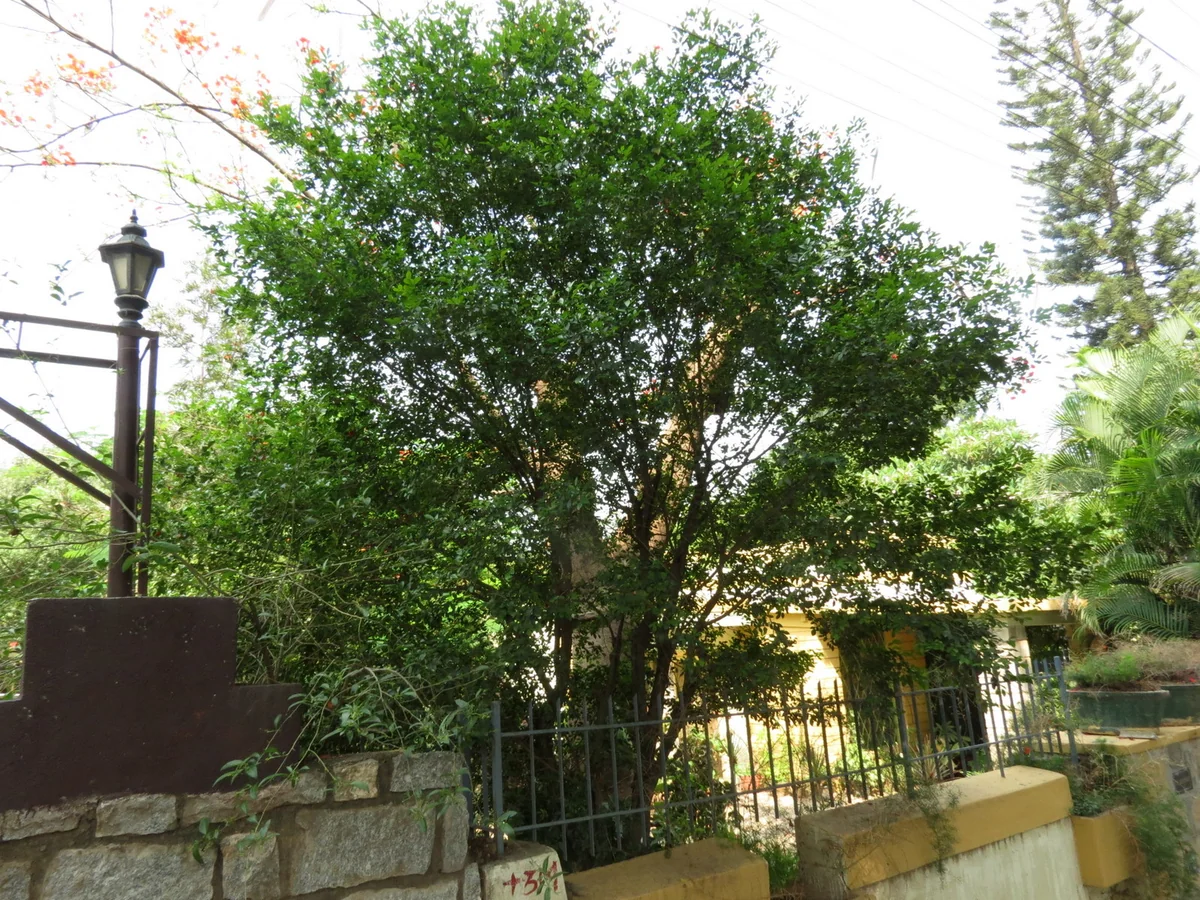
Orange blossom fragrance from a different tree
Orange jessamine can fill a protected growing space with the fragrance of its small white flowers. Murraya paniculata belongs to the citrus family, but it is neither a true jasmine nor a miniature orange crop. Its glossy compound leaves and twiggy evergreen framework can be shaped into an attractive container shrub or small tree. The most credible indoor setting is bright and warm, with appropriate ventilation and room for pruning and inspection. A tree temporarily flowering on a desk may look successful while using reserves built in a nursery. Its long term position needs to supply useful light after that display has finished.
The species is native across parts of South and Southeast Asia into northern Australia and nearby Pacific regions, and has been cultivated much more widely as an ornamental. Common names such as orange jasmine, orange jessamine and mock orange can create confusion with unrelated garden shrubs. Retain Murraya paniculata on the label. Its leaf is divided into several glossy leaflets, and the flowers occur in small clusters rather than developing into familiar edible citrus fruits. Red fruits may follow, but their ornamental appearance should not turn them into an indoor snack. Identify the plant on its botanical features and supplier information rather than scent alone.
Useful daylight supports flowers and a dense crown
Choose a bright position and introduce direct sun gradually when the plant has been grown under softer light. A sunny conservatory or a generous window can provide the exposure needed for a compact crown and flower production. The species tolerates some shade in outdoor landscapes, yet indoor shade is often much weaker than sheltered tropical daylight. Observe where the light falls through the day. A crown that grows out above the window may become thin even when the lower trunk remains beautifully placed. Where natural light is insufficient, investigate an appropriately placed grow light before relying on fertilizer to solve the problem.
Protect the tree from frost and abrupt cold, including during the journey from a nursery or between seasonal growing locations. Warm outdoor weather can suit it after a gradual transition, but bring it into suitable shelter before conditions become damaging. Avoid parking the pot in a cold doorway merely because there is space for its crown. Ventilate a glazed room in hot weather while keeping the foliage out of direct drying air from heaters. The fragrance itself also belongs in the placement decision. Flowers that are welcome in a spacious conservatory may be overpowering beside a shared workstation or in a room used by someone who dislikes strong scents.
Moist roots still need air
Use a fertile draining medium that holds enough water for the active canopy without becoming a stagnant mass. Singapore's National Parks guidance recommends fertile moist loamy conditions with good drainage, a useful balance to preserve in a pot. Water the established root ball thoroughly when it needs replenishment and let excess leave freely. Do not maintain a standing reservoir in a decorative sleeve. A leafy tree in warm sun can consume water rapidly, while a slower winter specimen needs less frequent attention. Check the material around the roots and the weight of a manageable pot rather than depending only on a dry looking surface.
When repotting is justified, keep the root collar at its previous level and select a container proportionate to the root system. A large new volume of wet unused mix can be more troublesome than a moderately restricted established pot. If the tree has been allowed to dry severely, make sure the root ball actually rehydrates rather than letting water rush around it into the outer layer. Leaves dropping after a move can reflect several stresses. Compare recent light, temperature and moisture before choosing a treatment. A root problem cannot be corrected simply by repeatedly misting the foliage or feeding a plant that is no longer growing.
Pruning and flowers share the same branches
Orange jessamine tolerates shaping and can be trained as a small standard or kept as a naturally branched shrub. Decide which form the room and starting plant support. Selective cuts retain the character of the branching, while constant shearing produces a denser formal outline. Flowering shoots are part of that framework, so repeatedly removing all the tips can work against the display being sought. Time substantial shaping with awareness of the current flowering flush and the tree's capacity to regrow. Remove damaged and crossing material first rather than treating every new shoot as a threat to a perfectly fixed outline.
Feed an actively growing container specimen with a suitable product at its stated rate. Account for feed in fresh potting medium and avoid concentrated applications intended to force scent or colour. A poor flowering year can reflect insufficient light, repeated clipping or an unsettled plant rather than a single missing nutrient. Inspect leaf undersides, stems and sheltered branch junctions for scale and other pests, and examine any sticky residue instead of polishing it away without investigation. Clean fallen foliage and flowers from the pot surface. Regular observation makes it easier to intervene while a problem is limited and the tree is still straightforward to handle.
Keep outdoor spread in the growing plan
Murraya has naturalised in some warm regions, and local guidance can distinguish problematic seeded ornamental forms from particular selections. Check current regional advice before planting it outdoors permanently or distributing fruit and seedlings. A container does not prevent birds from taking accessible fruit in a suitable climate. Indoors, treat any berries as ornamental and keep fallen material away from children and animals. Avoid transferring insects with cuttings or shared plants, especially where citrus pests are a regional concern. These decisions depend on the location and plant material rather than on an assumption that every fragrant nursery shrub is equally appropriate in every garden.
As a gift, orange jessamine suits someone who has asked for a fragrant conservatory plant or enjoys training small woody specimens. Its scent may evoke orange groves, travel or a particular family garden, which are personal associations worth explaining in a note. They should not become invented claims that the plant guarantees romance, peace or prosperity. Confirm that scent is welcome to everyone using the space. A recipient with a bright sunroom and an interest in pruning may enjoy it greatly; a person responsible for a shared low light office may find the same plant intrusive and difficult to maintain.
Include the growing history and the scent question
Supply the botanical name, cultivar where known and recent pruning history with the tree. Mention whether its last flower flush developed at the nursery or in its current room so the new owner can set sensible expectations. Select a stable container with accessible drainage and a manageable crown. During the first months, establish light and watering before demanding repeated flowers or a tightly maintained shape. An orange jessamine can be valued for glossy foliage as well as fragrance. Keeping both qualities depends on a suitable growing place and an owner who welcomes the seasonal work that makes a woody flowering specimen possible.