The top of a pot can look dry while the roots below it are still surrounded by damp mix. That small mismatch explains many confusing watering decisions. A quick glance encourages another drink, the lower container stays wet, and the leaves eventually react in ways that resemble thirst. A useful moisture check looks beneath the crust and considers the whole pot. Touch, weight, and a simple wooden probe can tell slightly different parts of the story. Learning to combine them is more dependable than following a fixed weekday or trying to judge every plant by the way its leaves happen to look that morning.
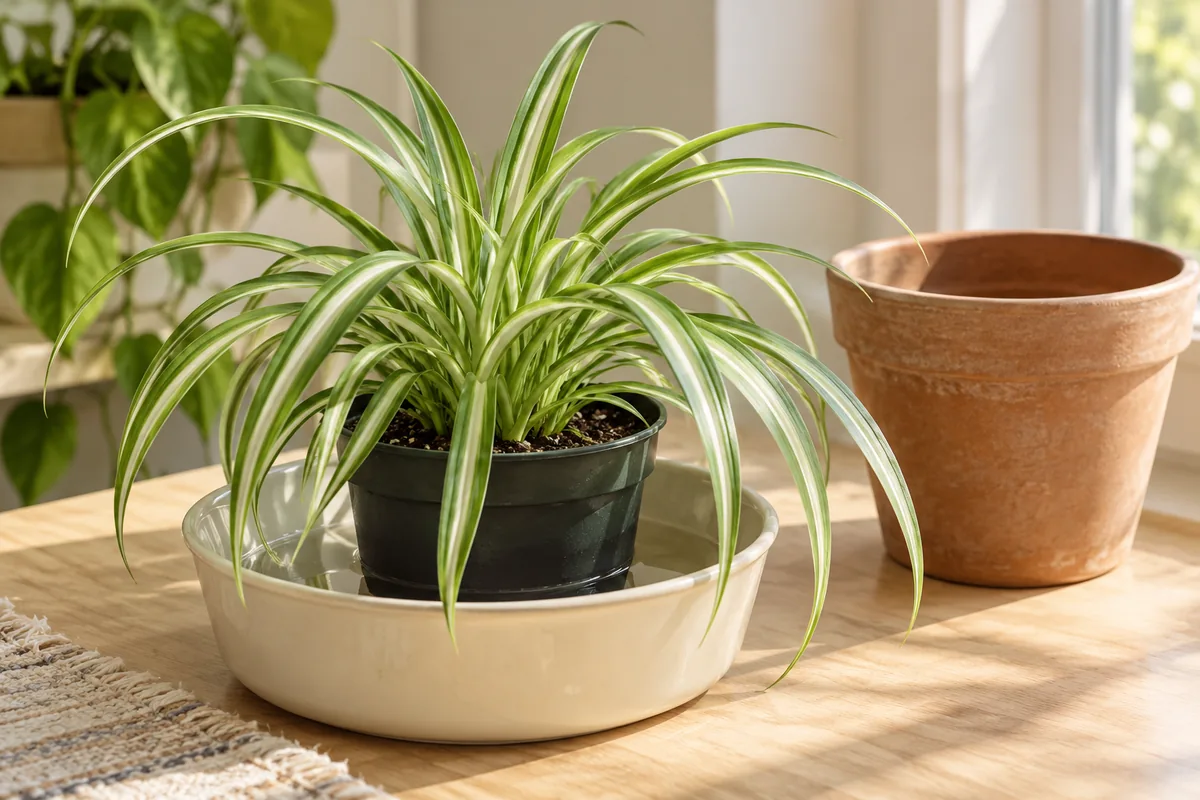
Begin with the needs of the plant. A fern generally needs a more consistently moist root zone than a jade or snake plant. The same moisture reading can therefore lead to different decisions. Identify the plant and learn whether its roots should remain gently moist or dry substantially between waterings. Avoid turning a general instruction such as checking the top inch into a universal rule for every container. A deep floor pot and a shallow nursery pot have different moisture profiles. The purpose of checking is to understand the actual root environment, not to perform a small ritual that ends with watering regardless of the result.
Use a finger to feel the upper mix where access allows. Notice whether it feels cool and damp, loose and nearly dry, or hard and shrunken. Check more than one area if water is usually poured in a single spot. Fine mix near the stem can remain damp while an exposed outer edge dries first. Avoid repeatedly pressing deeply around delicate new roots. If the surface is covered with decorative stones, move a small section aside so the mix itself can be inspected. A decorative layer may conceal the condition you need to see and slow evaporation enough to change the watering interval.
Lift the pot when practical and compare its weight after a thorough watering with its weight when the plant is ready for more. Water makes a noticeable difference, especially in a lightweight nursery container. This method becomes more useful with experience of the same pot and mix. A heavy ceramic outer planter can mask the change, so lift the inner container separately if possible. Large floor specimens may be too heavy to handle safely; use deeper checks instead of trying to raise them. Weight is a clue, not a measurement of every root, and should be read alongside the plant's requirements and the mix texture.
A plain wooden probe can show moisture below the reach of a finger. Insert it gently near the edge of the root ball, avoiding force if you meet a substantial root. Leave it briefly, then inspect whether damp particles cling to it or whether the wood appears darkened. Compare several checks over time to learn the pot's pattern. A clean dry probe suggests a different condition from one coated in wet fine mix. The result is approximate, particularly in very coarse bark. Do not assume that one dry pocket describes the whole container when the mix or watering pattern is uneven.
Electronic moisture meters can provide another clue, yet their readings depend on the device, contact with the mix, and dissolved minerals. A coarse airy mix may not behave like the fine soil used to label the scale. Check the instructions and compare the reading with touch and pot weight before trusting it alone. Clean the probe and avoid leaving a device inserted indefinitely unless it was designed for that use. A number does not remove the need to identify the plant. The decision still depends on whether that particular root system needs another drink at the moisture level you have observed.
Record a few watering dates together with the moisture condition beforehand. Note major changes such as a brighter window, a larger pot, or the start of indoor heating. Those events alter how quickly the root zone dries. The record should help you decide when to check again, not lock the plant into a permanent schedule. If a pot stays damp unusually long, inspect drainage, mix structure, and available light. If it becomes dry very quickly, look for a crowded root ball or uneven absorption. A change in the interval can reveal something useful before the foliage develops a visible problem.
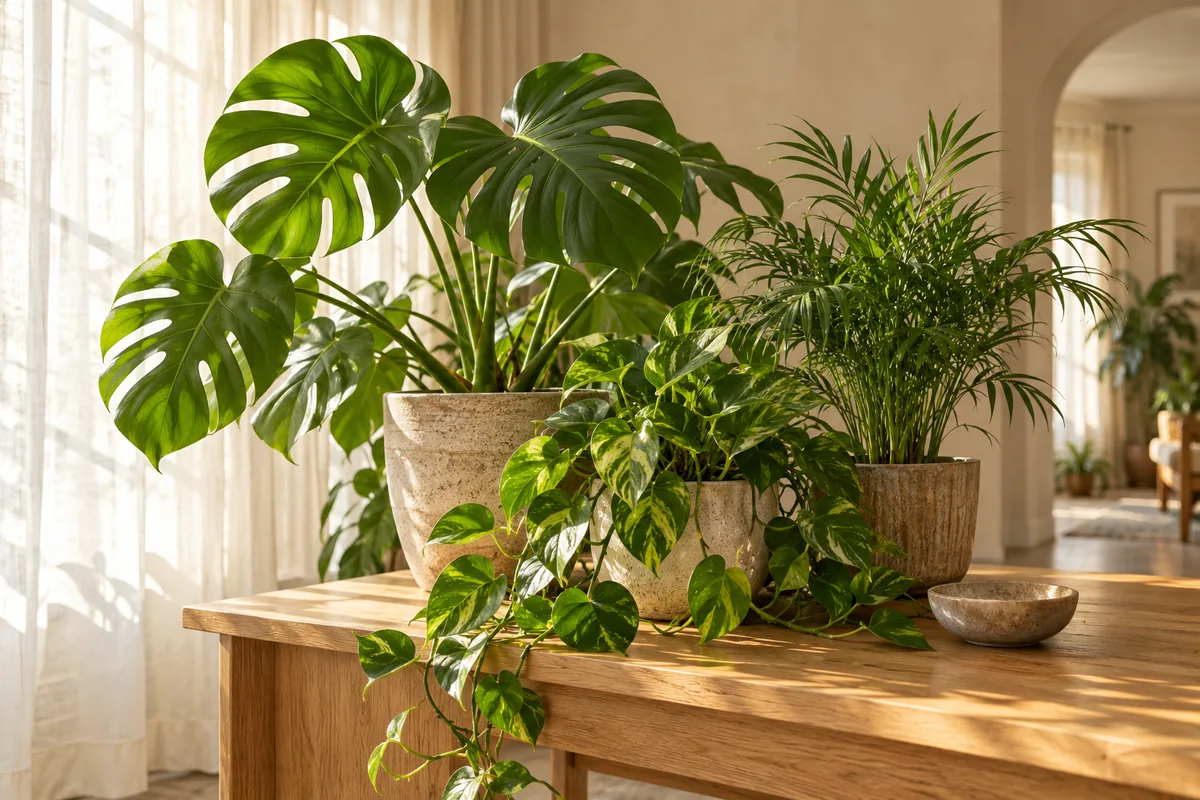
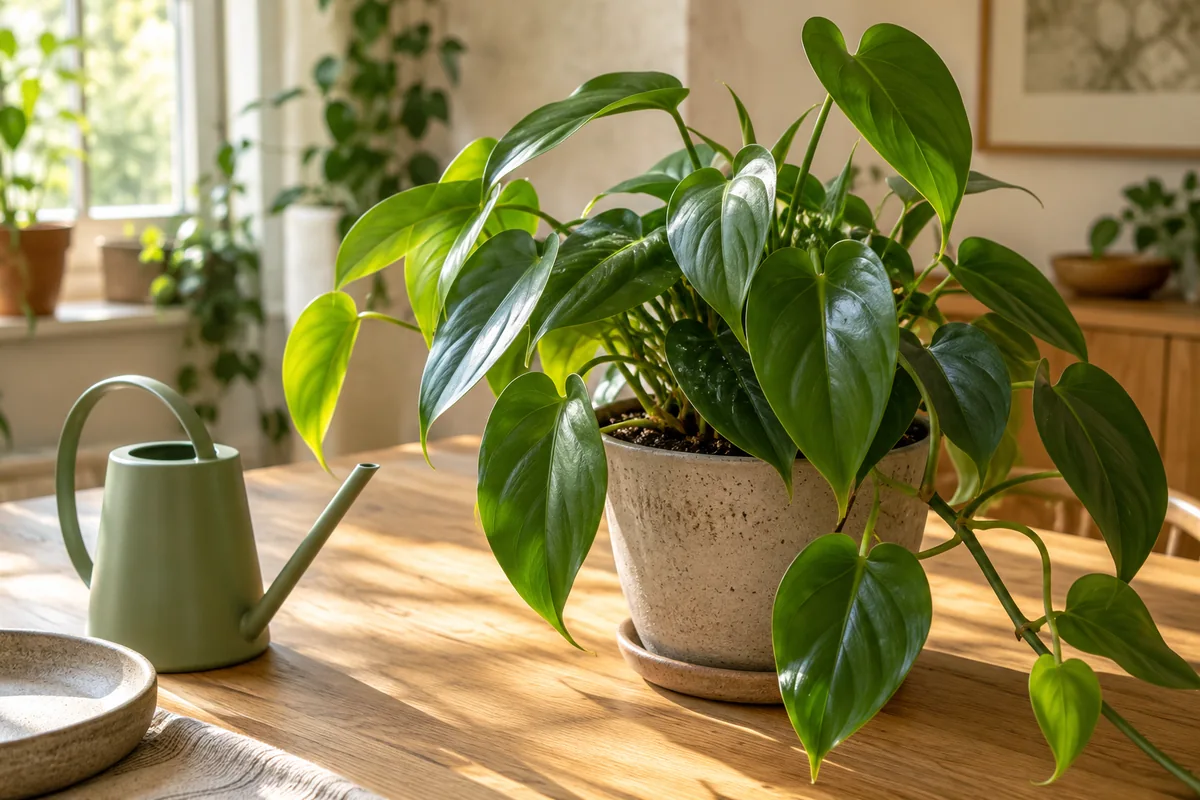
When the plant is ready, water thoroughly, let the excess drain, and empty the saucer so the next drying cycle begins cleanly. If the checks show enough moisture remains, leave the pot alone and return later. That decision is just as much a part of good care as watering. Over several weeks, the weight and feel of a familiar container become easier to recognize. A fern, a pothos, and a succulent can then share the same room without being forced onto the same routine. The roots receive attention according to their condition, and the calendar becomes a reminder to look rather than a command to pour.