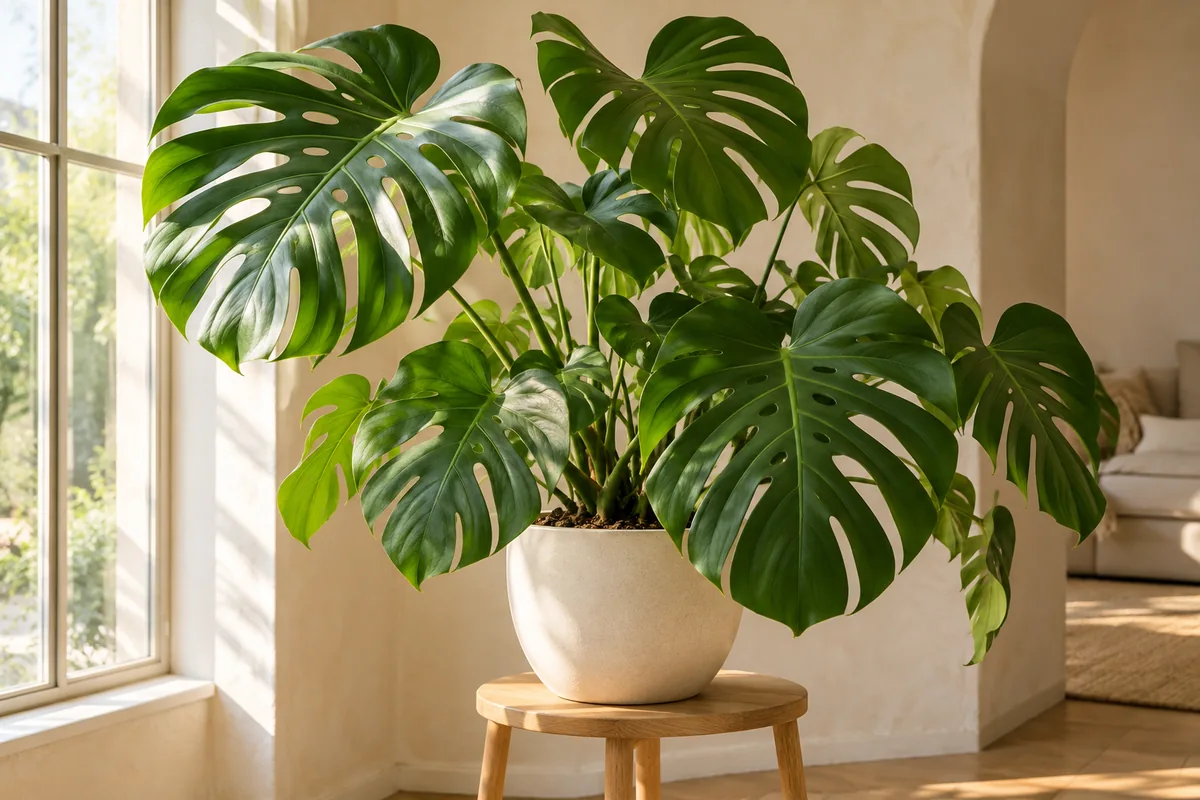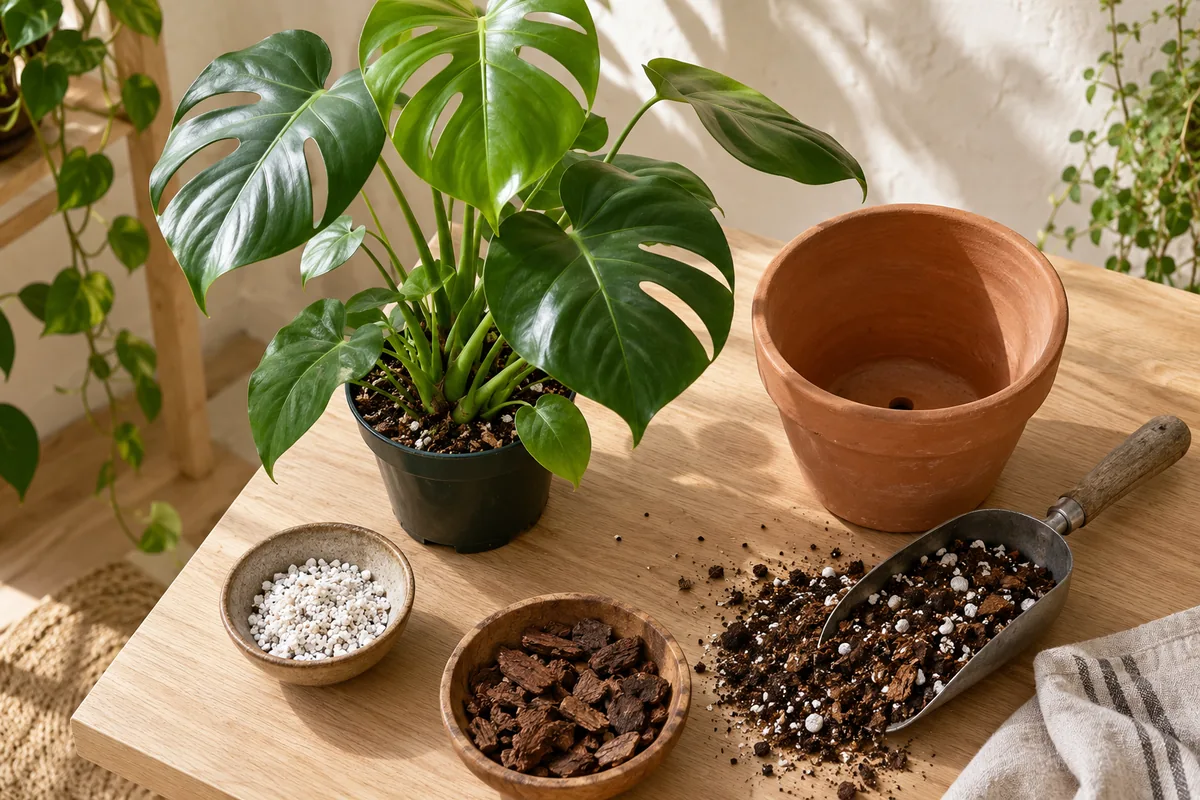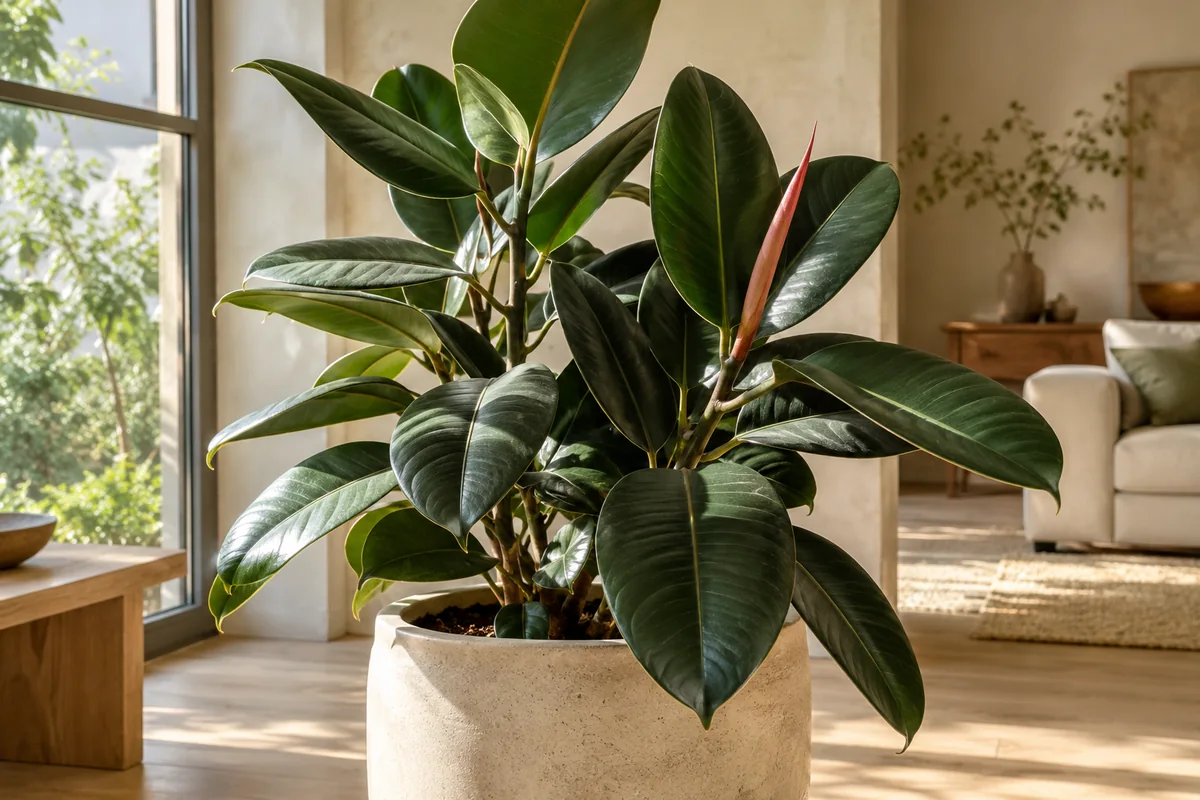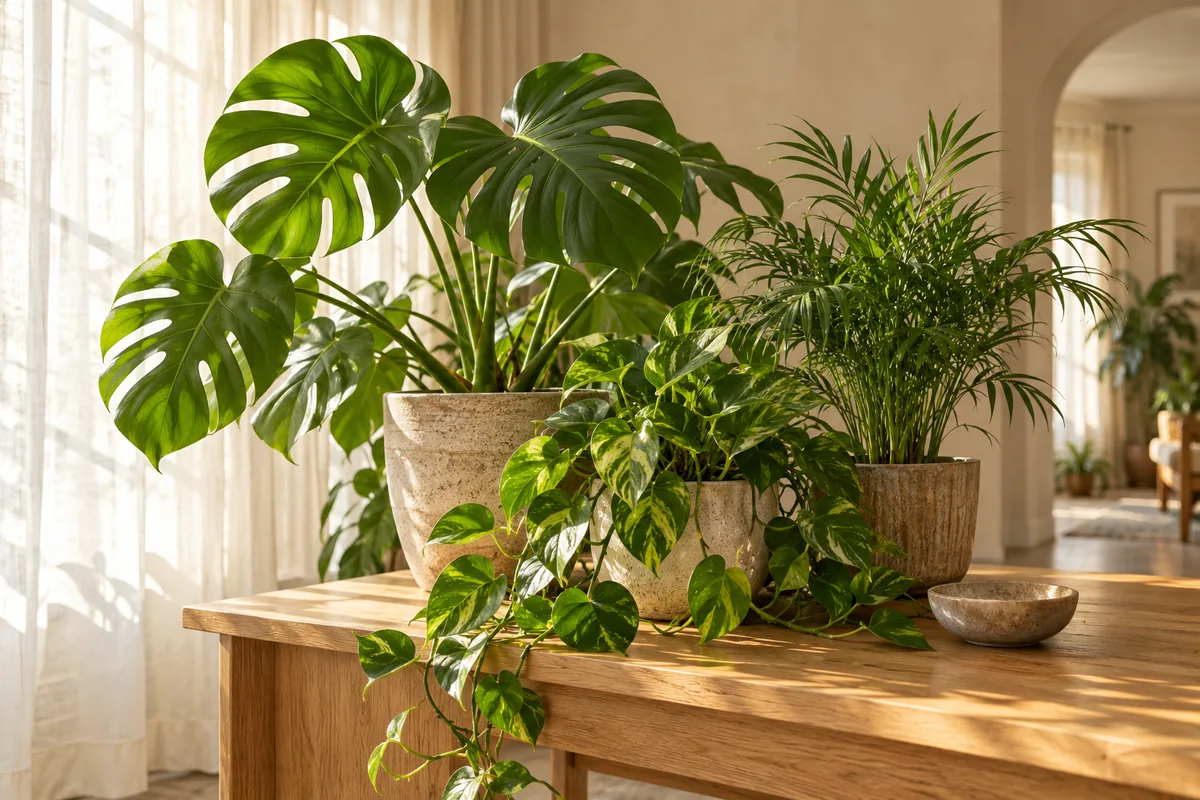
The same windowsill can feel like a different place once spring days begin getting longer. A plant that spent winter close to the glass may suddenly receive a strong beam for several hours. Start by looking at the actual light on the leaves, not just the direction printed on a compass. Nearby buildings, trees, overhangs, and curtains all change the result. Spring adjustment is usually a series of small observations rather than one grand rearrangement. Keep the plant's needs in mind and notice when direct sun arrives, how long it stays, and whether the pot or foliage becomes noticeably warmer during that period.
Visit the window at different times over several ordinary days. A spot that is softly lit at breakfast may receive intense afternoon sun, while another loses its light when a neighboring tree comes into leaf. Make a quick note of the beam's path and the duration of direct exposure. You do not need an exact light measurement to recognize a new patch of sun on the shelf. Check the whole plant as well as its nearest leaf. One side can be exposed while the rest remains shaded, creating uneven growth and different moisture loss across the canopy. Photographing the position at midday can make those seasonal changes easier to compare later.
Move plants in modest stages when their exposure needs to increase. A leafy plant accustomed to dim winter conditions should not be placed immediately against a bright unobstructed pane simply because its species tolerates useful light. Shift it a little closer, shorten the first periods of direct exposure, or use a sheer curtain while observing its response. Sun tolerant succulents also benefit from a gradual transition after months indoors. The purpose is to let existing leaves adjust while new growth develops under the changed conditions. Avoid moving several steps at once and then changing watering and feeding at the same time, since any new marks become harder to explain.
Look for pale dry patches that appear on the most exposed leaf surfaces after a brighter day. They can indicate that the light change was too abrupt, though other causes should be considered if the pattern does not match the exposure. Move the plant to gentler light and watch the next leaves rather than expecting marked tissue to turn green again. Curling or drooping during a warm afternoon also deserves a soil moisture check and a look at leaf temperature. Adding water to an already damp pot will not correct excessive heat against the glass. Adjust the position or filtering first when the environment is the clear source of the problem.
Review watering as the light changes, using the mix itself as the guide. More active growth and warmer positions can increase water use, but not every plant responds at the same pace. A large pot in a cool corner may remain moist while a small terracotta container near the window dries quickly. Check below the surface and compare the pot's weight before watering. Apply water thoroughly when appropriate and let the excess drain. A fixed winter interval can become too long for one plant and remain suitable for another. The seasonal change is a reason to observe more often, not an instruction to water every pot more frequently.
Clean dusty leaves gently so their surfaces are easier to inspect and receive the available light. Use a soft damp cloth on suitable broad leaves, supporting each leaf from beneath instead of pressing against the stalk. Plants with fine hairs or delicate textures need a method suited to their surfaces. Skip oils and improvised coatings that leave a film. Cleaning is also an opportunity to notice where leaves overlap or press against the glass. Give the canopy room and keep curtains from trapping foliage in a hot narrow gap. A clear view of the leaves makes later changes easier to distinguish from old marks that were present before spring arrived.
New growth gives a longer view of whether the revised position works. Leaves forming with sensible spacing and normal color are useful signs, while long bare stretches may suggest that the plant still needs more light. Compare growth over weeks rather than expecting a visible transformation in a few days. Rotate a suitable plant gently if it leans toward the window, keeping its overall exposure consistent. Some plants resent frequent rearrangement, so choose a workable position and allow time for it to settle. If a grow light supported the plant during winter, change its use gradually as daylight increases instead of assuming that every lamp should be switched off immediately.
Keep a short record of the spring position and the adjustments that helped. Include the distance from the window, any curtain used, and the time of day when direct sun reached the leaves. Those details will be useful next year because a window's seasonal pattern often repeats even when the calendar weather varies. Continue checking as outdoor trees fill out and warmer days arrive. Spring is a transition rather than a single date. A plant can receive stronger sun in early spring and less later under leafy branches. Let that changing pattern guide small sensible moves, keeping the leaves, roots, and room conditions connected in each care decision.