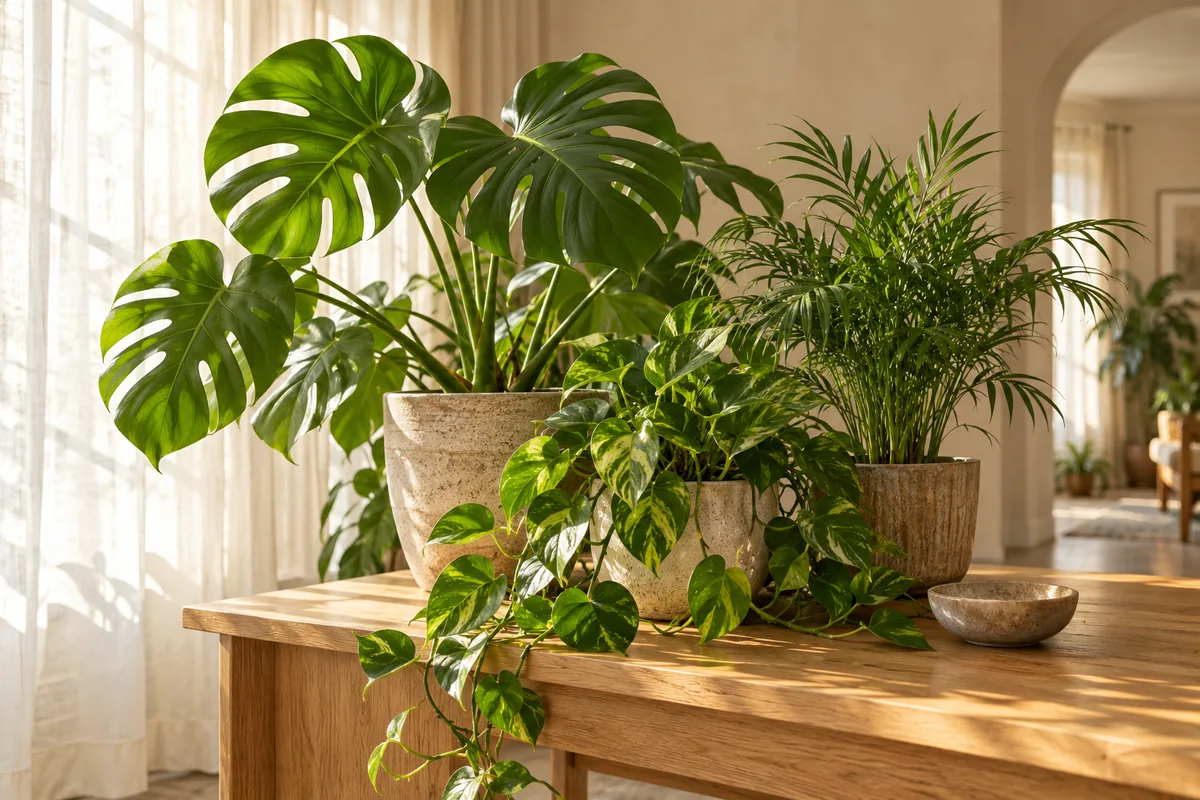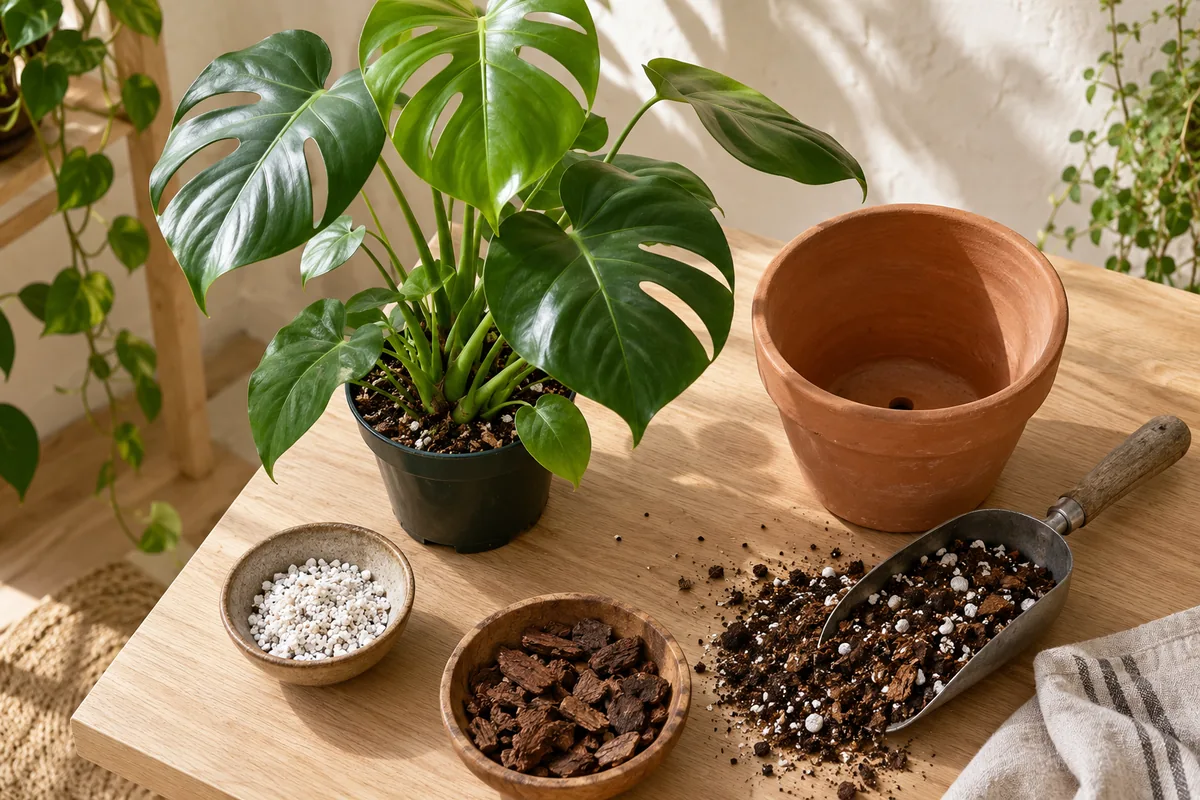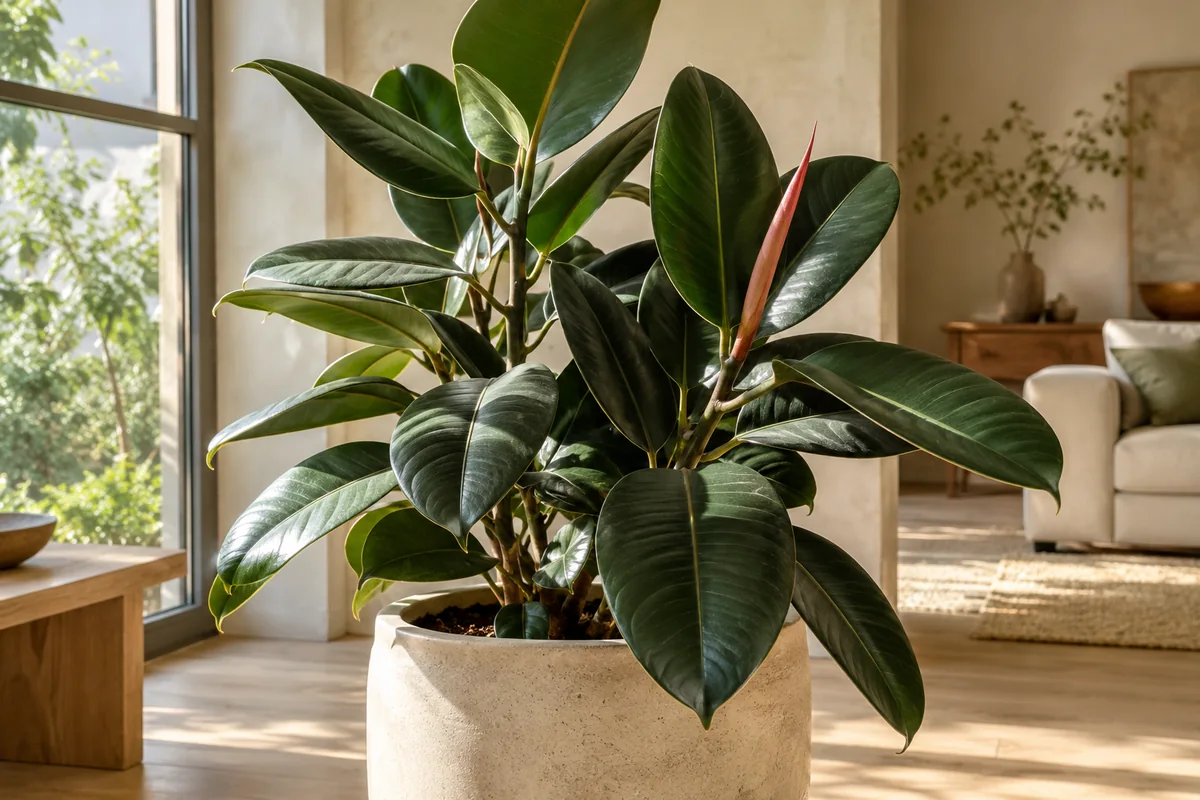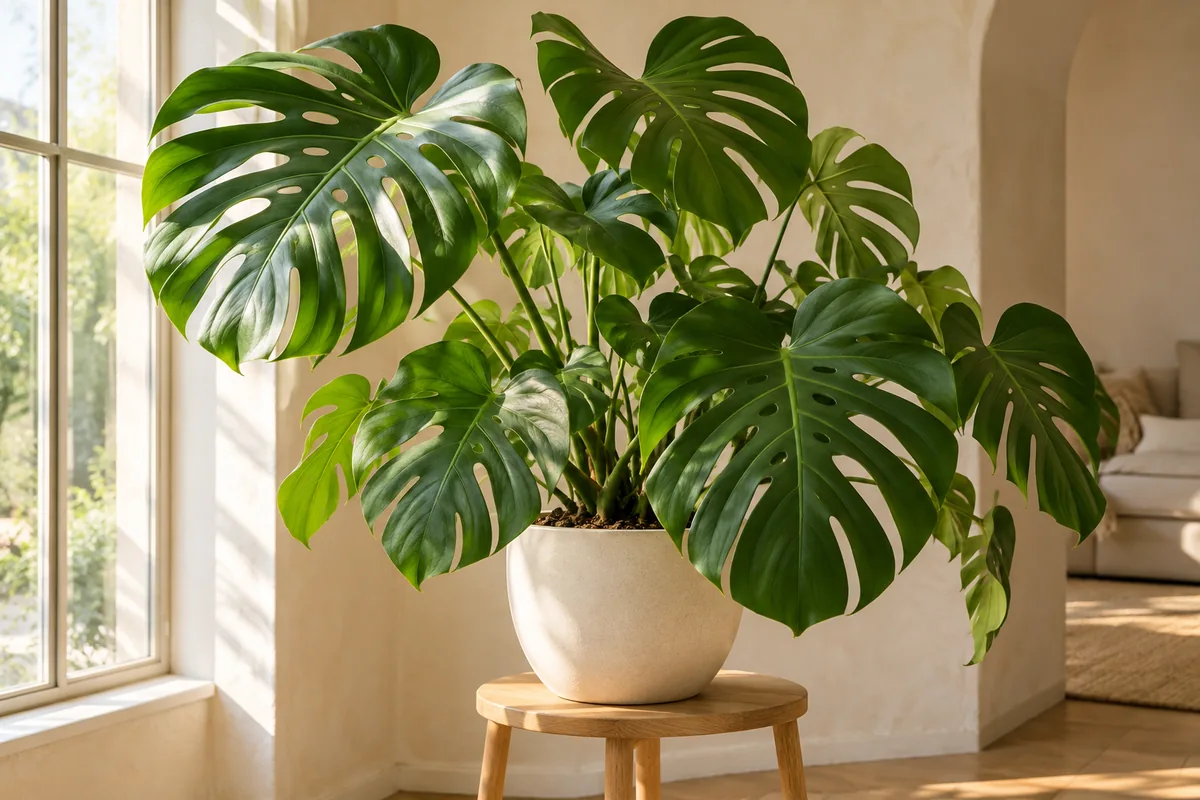
A fresh leaf can make it tempting to change everything at once. More water, a larger pot, extra feeding, and a brighter window all seem like ways to help the plant make the most of spring. The useful starting point is much smaller: notice what the plant is already doing and whether its present conditions support that growth. A new shoot should have enough light, a workable root zone, and room to develop without being handled repeatedly. Spring growth is an opportunity to review care, not a deadline for a complete overhaul. Keep the existing routine where it still works and adjust only the parts that observations show need attention.
Look closely at the new growth without pulling on it. Some leaves emerge pale, folded, or tightly rolled and change appearance as they expand. That normal process can take longer than expected, especially in a room with uneven warmth. Do not peel open a leaf merely because it appears slow. Note whether the stem is firm, the growing tip remains sound, and older leaves are broadly stable. Compare new growth with the usual habit of the species rather than with a photograph of a different plant. A climbing philodendron, a compact peperomia, and a fern frond each develop in their own recognizable way and need different amounts of physical space.
Review light first when new stems seem unusually stretched or leaves remain smaller than expected over repeated growth. Useful light supports the growth the plant is attempting to make. Shift exposure gradually if needed and avoid placing tender new foliage suddenly in intense direct sun. Check whether another plant, a curtain, or a shelf edge is shading the growing tip even when the rest of the pot appears close to a window. A small change in arrangement may solve that problem without moving the whole collection. Keep room conditions steady enough that you can observe the result over several weeks instead of making a new adjustment every other day.
Water use may increase as leaves expand, so check the mix more often while keeping the actual watering decision tied to moisture. A plant producing one leaf does not automatically need a daily drink. Pot size, material, root volume, and temperature still matter. Water through the root zone when the plant's preferred drying point is reached, then let the excess drain away. Empty decorative covers and saucers rather than leaving a hidden reservoir beneath the pot. If growth begins while the mix remains persistently wet, investigate drainage and the amount of material surrounding the roots. Fresh leaves do not erase a mismatch between a small root system and a large damp container.
Introduce feeding only when the plant is actively growing and its basic conditions are suitable. Check whether the current mix already contains a fertilizer and when it was last applied. Follow the directions for a product suited to the plant, avoiding the assumption that an extra dose produces stronger leaves. Nutrients cannot replace light or repair a damaged root system. Keep a simple record of feeding dates so several enthusiastic care sessions do not overlap. Plants under bright useful light may grow for longer periods than plants in dim rooms, making their needs different even in the same month. Let the individual plant's activity guide the timing rather than treating the entire shelf as one unit.
Give climbing or leaning growth a practical support before it becomes difficult to position. A soft tie should hold the main stem without constricting leaf stalks or a new growing point. Do not force a mature bent stem abruptly into a new direction. Add support in stages and leave room for natural thickening. Trailing plants may need more open space at the edge of a shelf so new leaves do not become trapped behind the pot. Ferns need room for young fronds to expand without rubbing against hard objects. These small physical adjustments can protect growth more effectively than adding another treatment to a plant whose light and watering are already appropriate.
Consider pruning or repotting only when there is a clear reason. A plant that fits its pot and absorbs water normally can continue growing there. A few roots near a drainage hole do not require immediate disruption if the rest of the root ball still has useful space. Likewise, removing a long stem may suit a shaping goal, but it should be a deliberate choice rather than a response to the arrival of spring. If you do make a change, allow time for recovery before adding another major intervention. Keep removed sound stems for propagation only when the species and the pieces you retain make that a sensible separate project.
Take a photograph when new growth begins and compare it later with the next stage. The record can reveal steady progress that is easy to miss during daily checks. Note leaf size, stem spacing, the position of the pot, and any changes made to light or watering. A spring plant does not need to grow at the fastest possible pace to be doing well. Compact, supported growth and a manageable moisture pattern are useful goals. Continue the observations into the warmer months, when stronger sun or faster drying may call for another small adjustment. Supporting the plant means matching care to what it can use now, allowing each new leaf to develop under stable conditions.