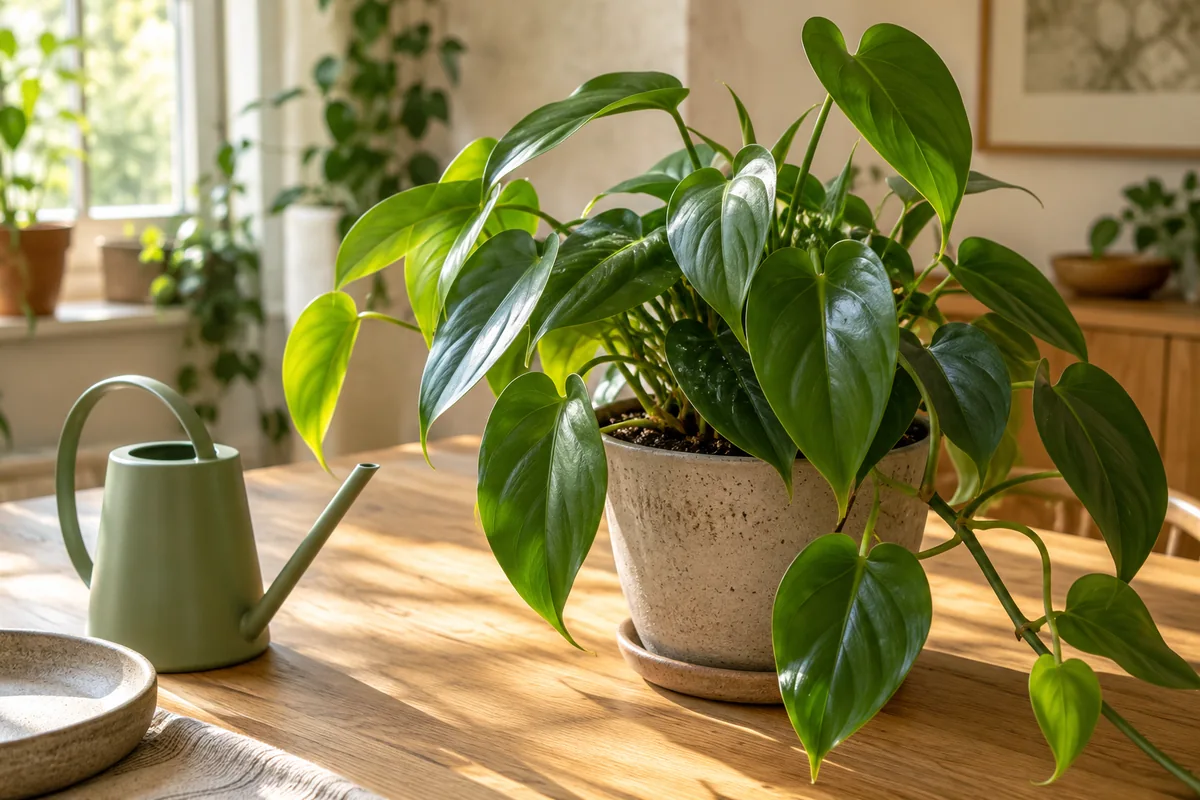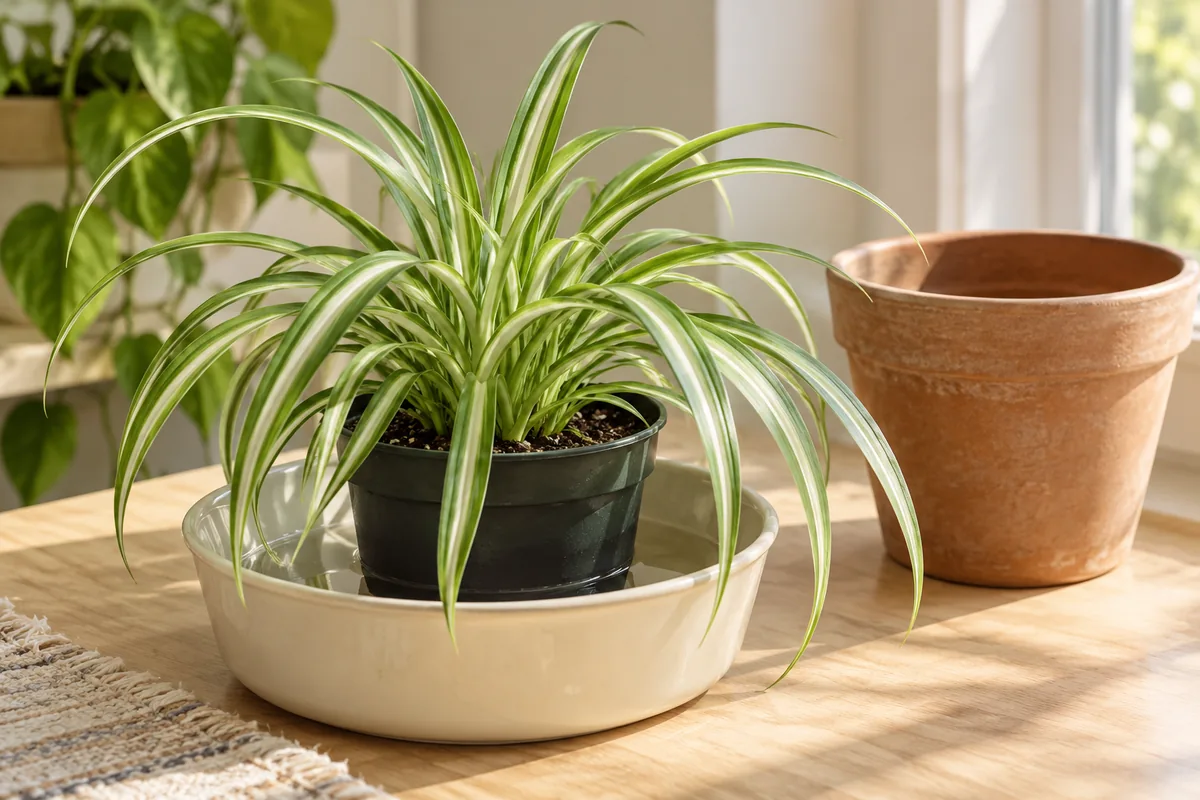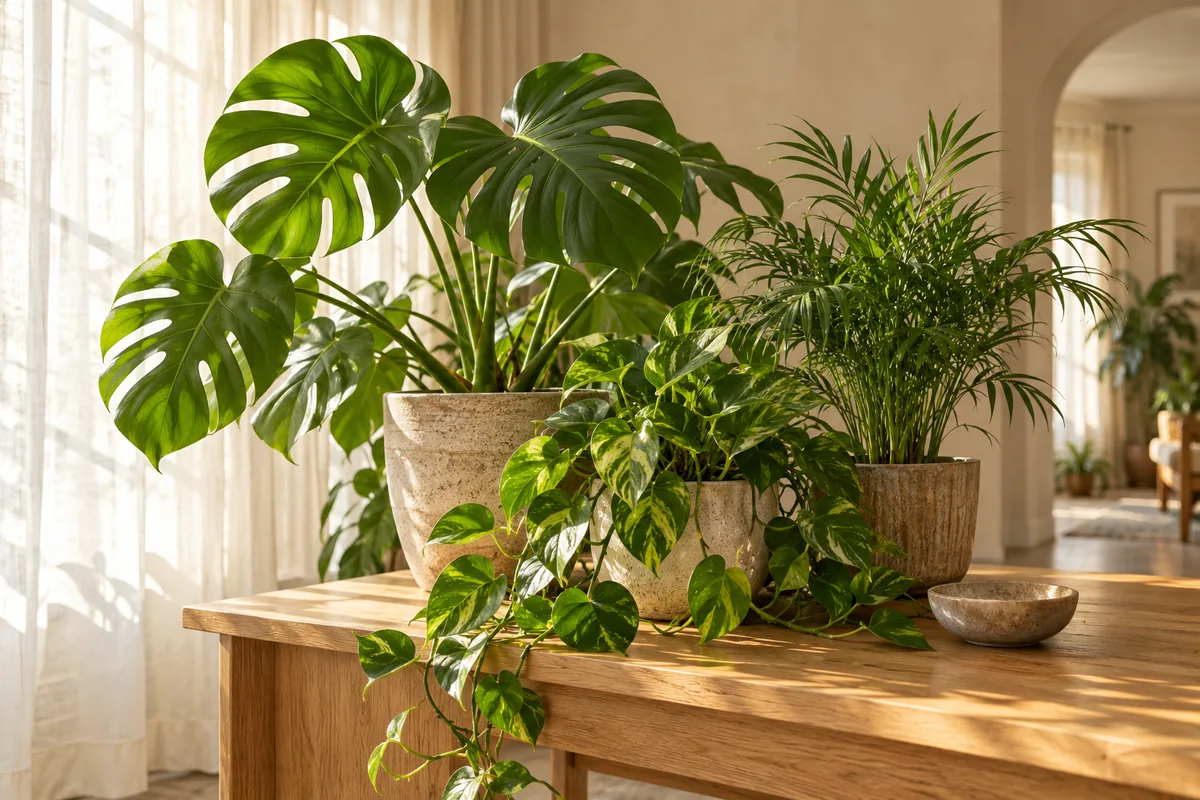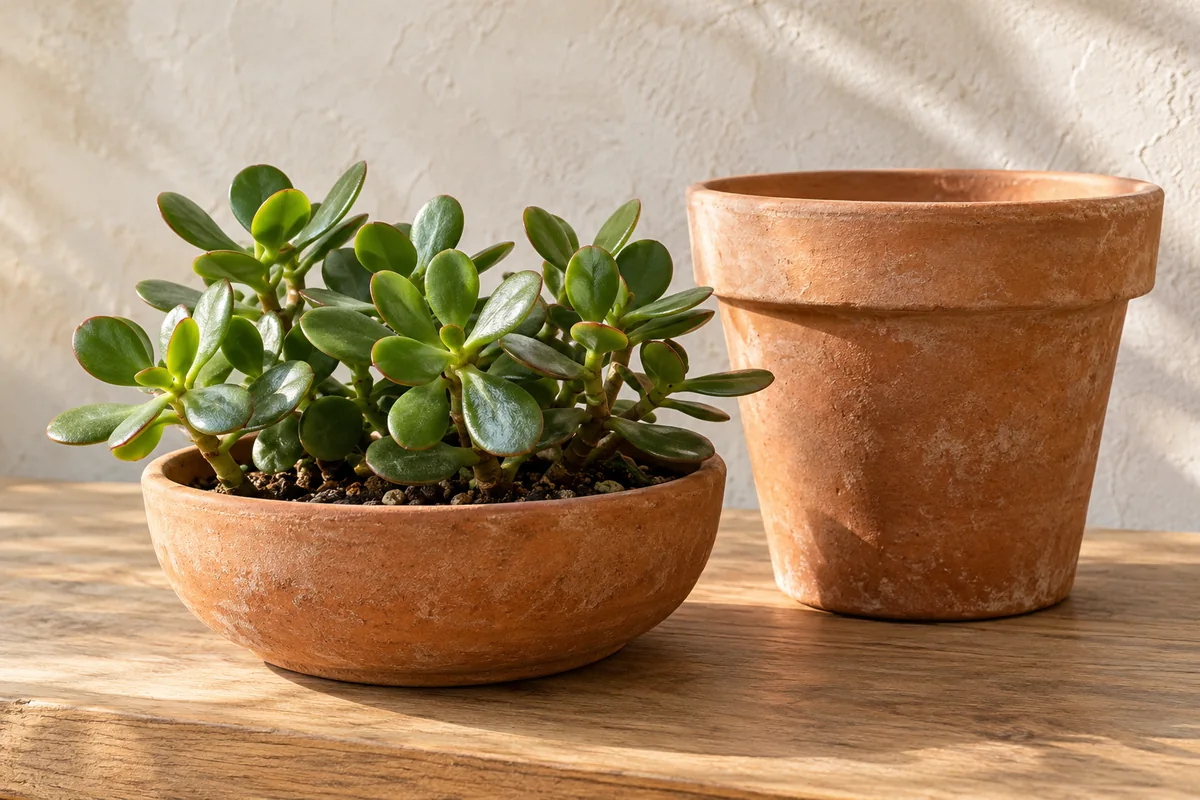
Two plants watered on the same morning can be ready for their next drink on very different days. The pot itself may explain part of the difference. Unglazed terracotta lets moisture move through its porous walls, while a glazed surface limits that route. The mix, roots, room, and amount of light still matter, so the container material is one influence rather than a complete watering rule. Understanding it helps when moving a familiar plant into a new pot. A routine that worked in a plastic nursery container may need adjustment after the same root ball is placed directly into porous clay.
Terracotta often dries sooner because water can evaporate through the sides as well as from the top. That can be useful for plants that need a substantial drying interval, especially where the room is cool or the mix holds moisture for a long time. It can also make a small fern difficult to keep gently moist in a warm bright setting. The effect varies with wall thickness, pot size, and the surrounding air. A clay pot inside a tight nonporous outer planter behaves differently from one exposed on an open shelf. Look at the whole arrangement instead of choosing the material by reputation alone.
Glazed ceramic holds moisture more closely within the container, leaving the surface and drainage openings as the main routes out. This can suit a plant that prefers more consistent moisture when the mix and room are appropriate. It can also keep a slow growing root ball wet longer than expected. Drainage holes remain important. A glazed decorative pot without an outlet works best as an outer cover around a separate draining container, with collected water emptied after watering. Filling a closed pot with stones does not create the same conditions as a clear drainage path through the base of a growing container.
Pot size can outweigh the material difference. A very large terracotta container filled with wet mix may stay damp longer than a small glazed pot filled with active roots. Match the diameter and depth to the root system rather than to the canopy alone. Repot when the roots justify more space or the mix needs renewal, increasing the size modestly. An oversized decorative planter can hold a properly sized inner pot instead of being filled entirely with mix. That arrangement also makes the plant easier to lift, inspect, and water. Keep the gap and base accessible so hidden water does not accumulate beneath the roots.
Mix structure changes the result further. Fine dense material can remain wet even in a porous pot, while an open coarse mix may dry rapidly in glazed ceramic. Choose ingredients suited to the plant and the conditions you can maintain. A succulent generally needs a different moisture pattern from a Boston fern. The container should support that pattern rather than force constant correction. Do not assume that changing the pot alone will solve every watering problem. Review root condition, light, and the way water is applied. A fast pour can bypass a dry shrunken root ball regardless of the material surrounding it.
After changing containers, check moisture more often until the new pattern becomes familiar. Feel below the surface, use a wooden probe, or compare the pot's weight when practical. Ceramic weight can make the change harder to detect, so a direct mix check may be more useful than lifting alone. Water thoroughly when the plant is ready and allow excess to drain. Empty the saucer or outer pot afterward. A fixed weekly quantity carried over from the old container may be too frequent or too sparse. The new arrangement needs observation over several cycles before a dependable checking rhythm emerges.
Porous clay often reveals pale mineral deposits on the outside as water moves through and evaporates. Those marks can prompt a review of the water supply and fertilizer routine. A glazed surface may hide the same process inside the root zone, so lack of an external crust does not prove that no residues are accumulating. Follow fertilizer instructions, account for nutrients in fresh mix, and use a suitable flushing routine where appropriate in a freely draining pot. Clean reusable containers according to sound horticultural guidance before repotting. Inspect the drainage holes as part of the task rather than assuming they remain clear because the pot is attractive.
Choose the pot that makes the plant's needs easier to meet in your room. Porous clay can help a slow drying succulent, while a suitable glazed container can reduce rapid drying around a moisture loving fern. Neither material removes the need to inspect the root zone. Keep the container stable, accessible, and proportionate to the roots. Over time, the difference between wet and nearly dry becomes familiar. A good pot is one part of a manageable growing arrangement, working with the mix, light, and watering technique so the plant receives moisture at a useful pace instead of following a rule based only on the container's finish.