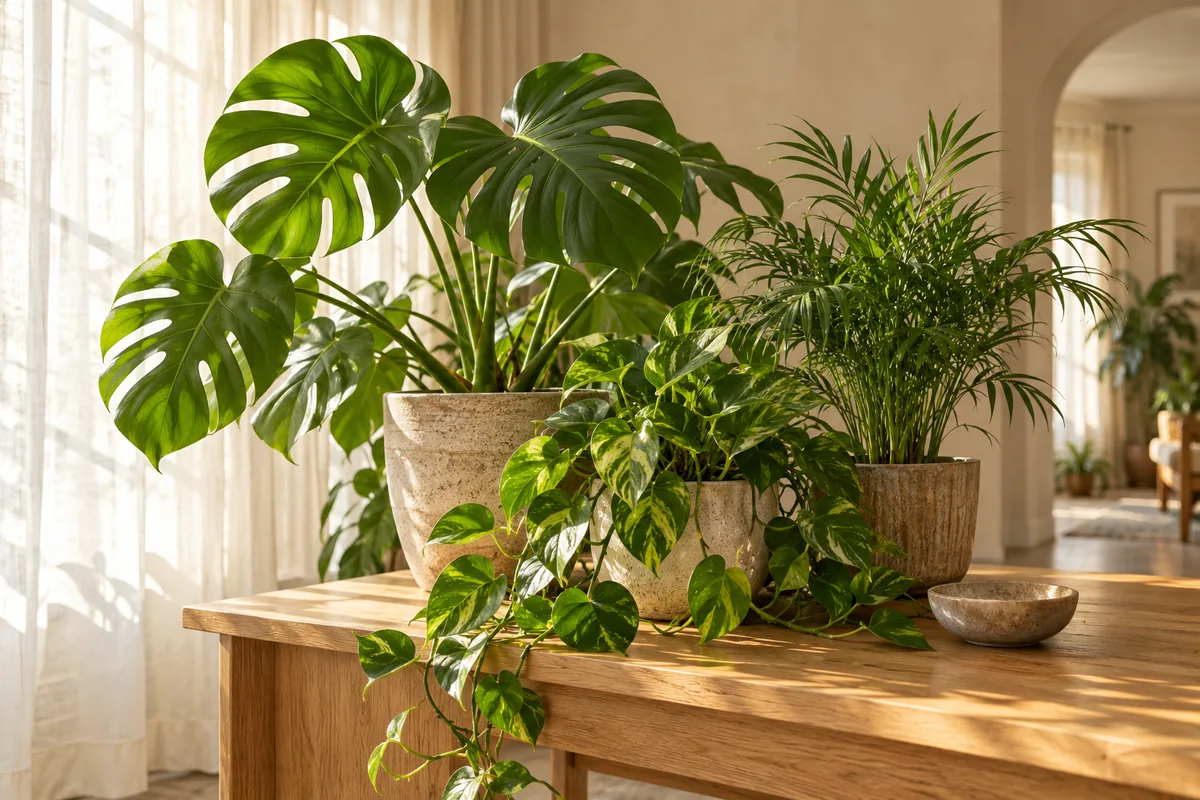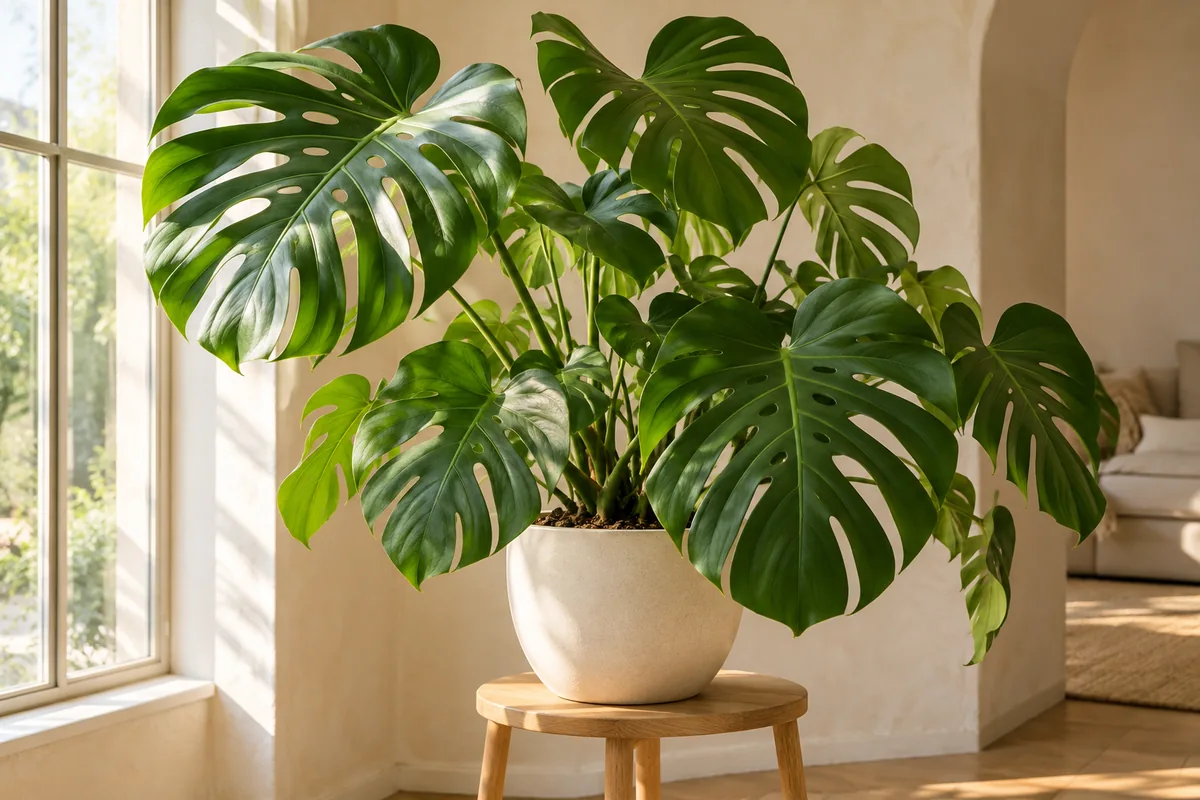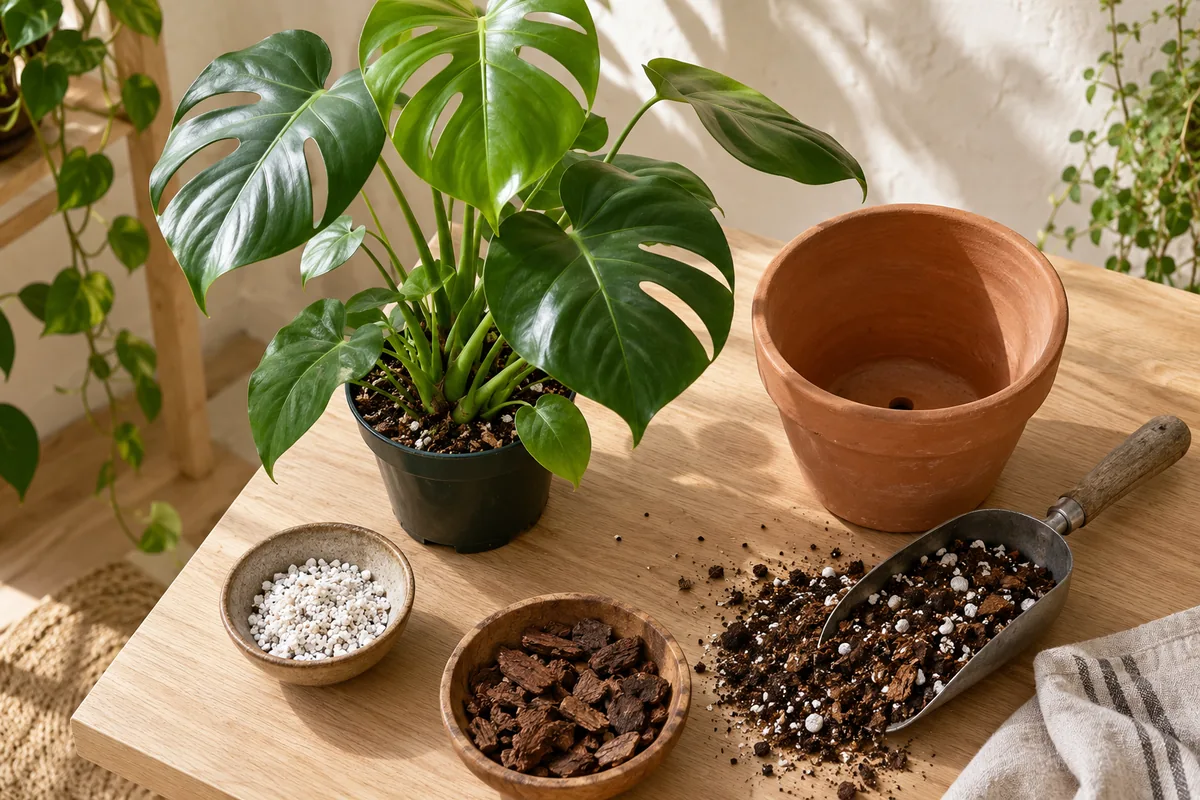
Rain can leave one balcony pot saturated while the container beside it remains surprisingly dry. An overhang, a dense canopy, or the direction of the wind changes how much water reaches the mix. Start a rainy period by checking the pots themselves rather than deciding that all watering can stop. Some may need shelter from repeated showers and others may still need an ordinary drink. The task is especially important for houseplants spending summer outside and for succulent containers that need a drying interval. Look at where water enters, where it leaves, and whether it collects beneath the pot. Those observations make the response more precise than treating the whole balcony as one wet location.
Observe the balcony during or shortly after a typical shower from a safe sheltered position. Notice which pots receive direct rain and which sit under a roof or the edge of the floor above. Water may run off leaves beyond the rim or concentrate in one part of a container. A brief shower can wet the top without reaching the root ball, while wind driven rain can soak a pot that is usually protected. Check below the surface once conditions allow. Keep a simple note of the pattern. It will help you decide where to place plants with different moisture needs and prevent the appearance of wet leaves from becoming the only watering guide.
Inspect drainage holes and the surface supporting the container. A pot resting in a shallow puddle cannot release water freely, even when its holes are open. Suitable stable pot feet or supports can keep the base clear if they fit the container and the balcony rules. Avoid makeshift stacks that might tip in wind. Empty saucers after substantial rain unless they are part of a designed system managed for the plants involved. Decorative outer pots are easy places for water to collect unseen. Lift the inner pot where practical and check the bottom. A clean open drainage path is more useful than adding a layer of stones inside a container that still holds a reservoir underneath.
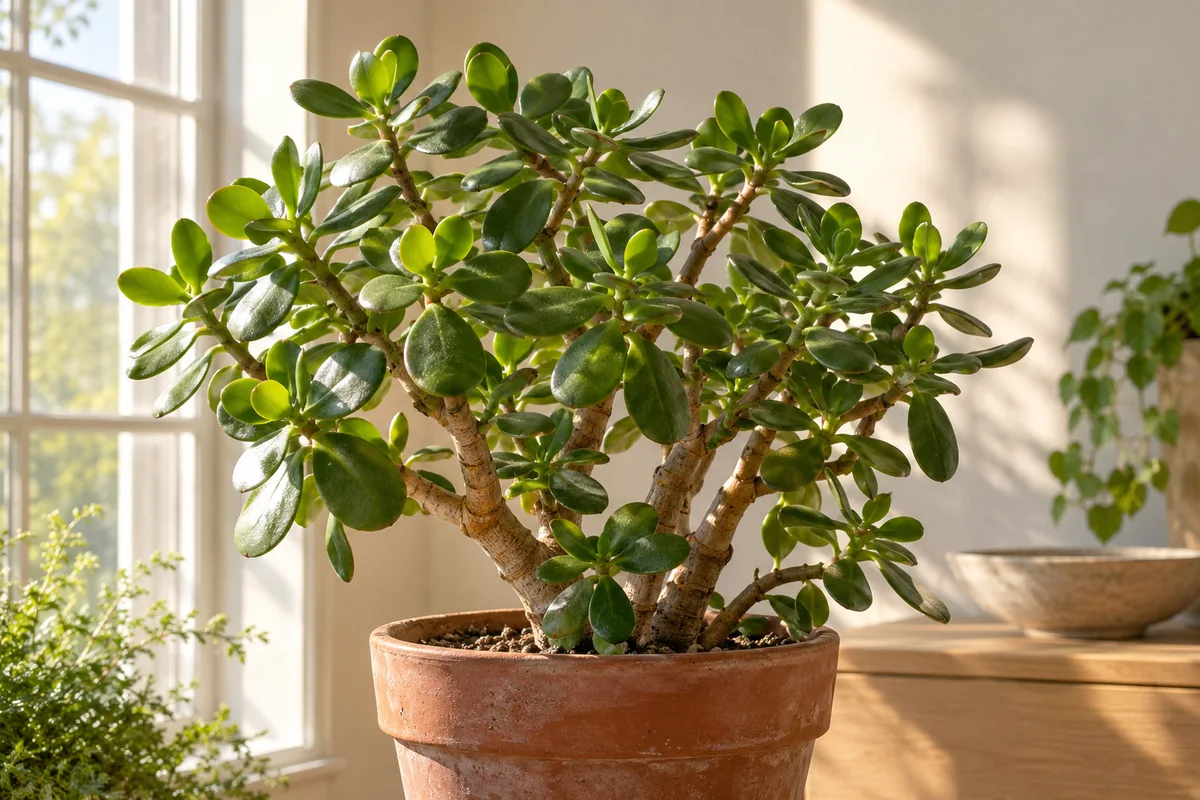
Move plants that require drier conditions into suitable cover before repeated rainfall keeps their mix wet for too long. A bright sheltered position is preferable to a dark cupboard or an exposed corner chosen only because it stays dry. Check species needs and the amount of light under the cover. Succulents such as jade plants generally need useful brightness as well as drainage. A fern may tolerate more consistent moisture but still should not stand in stagnant water. Do not assume every tropical plant wants unlimited rain. The container's volume, mix, roots, and temperature determine whether the water can be used and drained within a workable period.
Pause manual watering for pots that remain adequately moist, then resume only when their own checks indicate readiness. A familiar weekly routine can easily add unnecessary water during a rainy spell. Conversely, a pot under an overhang may still dry in wind despite frequent rain elsewhere on the balcony. Feel below the surface and compare pot weight where manageable. When water is needed, apply it evenly and allow drainage as usual. The weather report describes the broader area, not the exact root environment in each container. Keep those two scales separate. The practical decision belongs to the plant and pot you can inspect, using rain as one input rather than the entire explanation.
Clear fallen leaves and debris from the surface so the base remains visible. Check foliage for marks that develop after prolonged wet conditions, identifying unfamiliar changes before applying any treatment. Give plants enough space that leaves do not remain pressed tightly against one another or against a wall. Gentle airflow helps surfaces dry, though strong wind creates its own problems. Avoid feeding a plant that is already sitting in wet mix as a general attempt to improve its appearance. Review root moisture, shelter, light, and drainage first. A plant whose pot stays wet for many days may need a different location or a more suitable root environment, not another liquid application.
After the rainy period, recheck the pots before returning them to their earlier positions. A container can remain wet after the sky clears, and sudden strong sun may heat foliage that has spent several cloudy days under cover. Adjust exposure gradually where needed. Look for signs that a sheltered spot was too dim, such as persistent stretching in new growth over time. If the root ball has become compacted or drainage remains poor, plan a thoughtful correction based on the plant's condition. Do not repot every wet pot automatically. A temporary weather pattern and a permanent mix problem require different responses, and careful observation helps you distinguish them without unnecessary root disturbance.
Record which containers needed cover, which stayed dry beneath the roof, and how long the wetter pots took to reach their usual watering point. That information will make the next spell of rain easier to manage. Balcony care works best when each position has a known pattern rather than a single general label. Rain, wind, light, and shelter interact differently across a small space. By checking the actual mix and keeping drainage accessible, you can let suitable rain do part of the watering while protecting plants that need a drier interval. The result is a clearer routine that responds to conditions without adding water or moving pots simply out of habit.