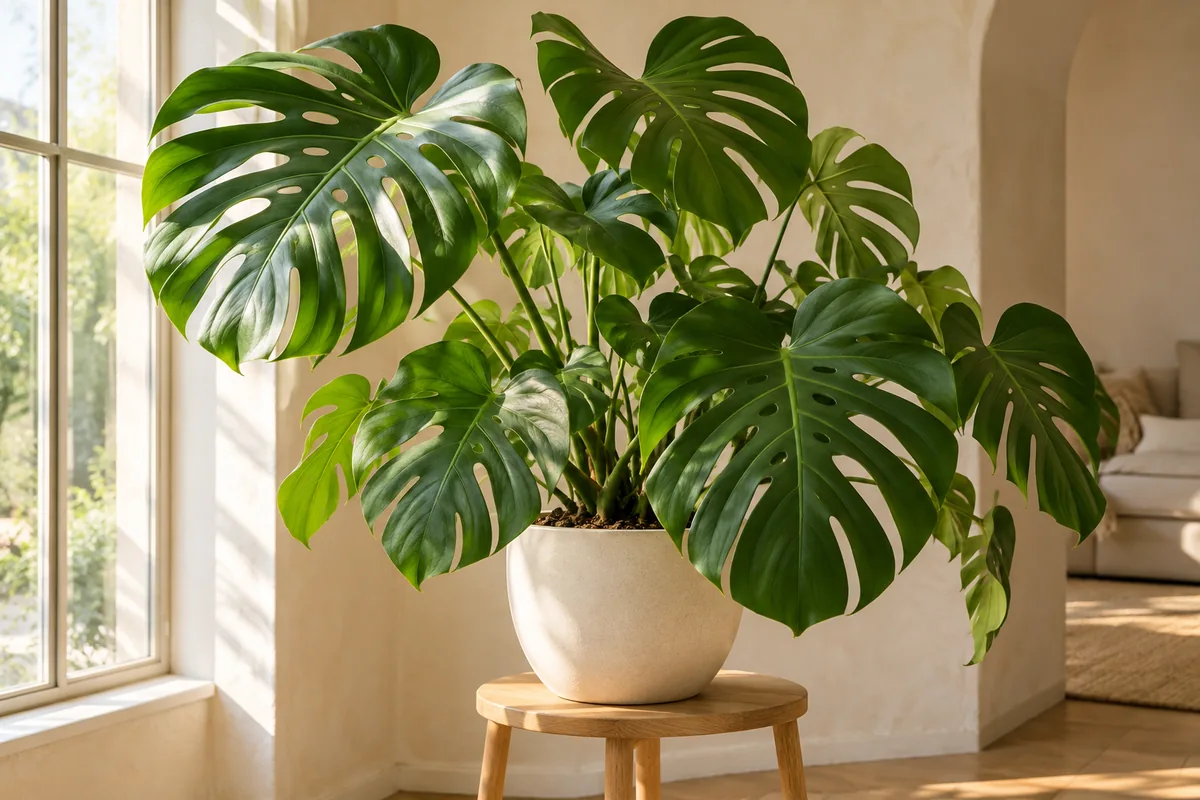
A handful of bark can make a potting mix feel open and coarse, which is appealing when you are growing a monstera or climbing philodendron. These plants often develop substantial roots, and an appropriate open medium can support a useful combination of moisture and air. The word bark alone does not describe a finished mix, though. Large pieces, fine composted particles, and fresh landscaping chips behave differently. Start with material intended for horticultural containers and examine its texture. A bag chosen for covering an outdoor path is not automatically suitable for the enclosed root zone of an indoor plant that will be watered repeatedly.
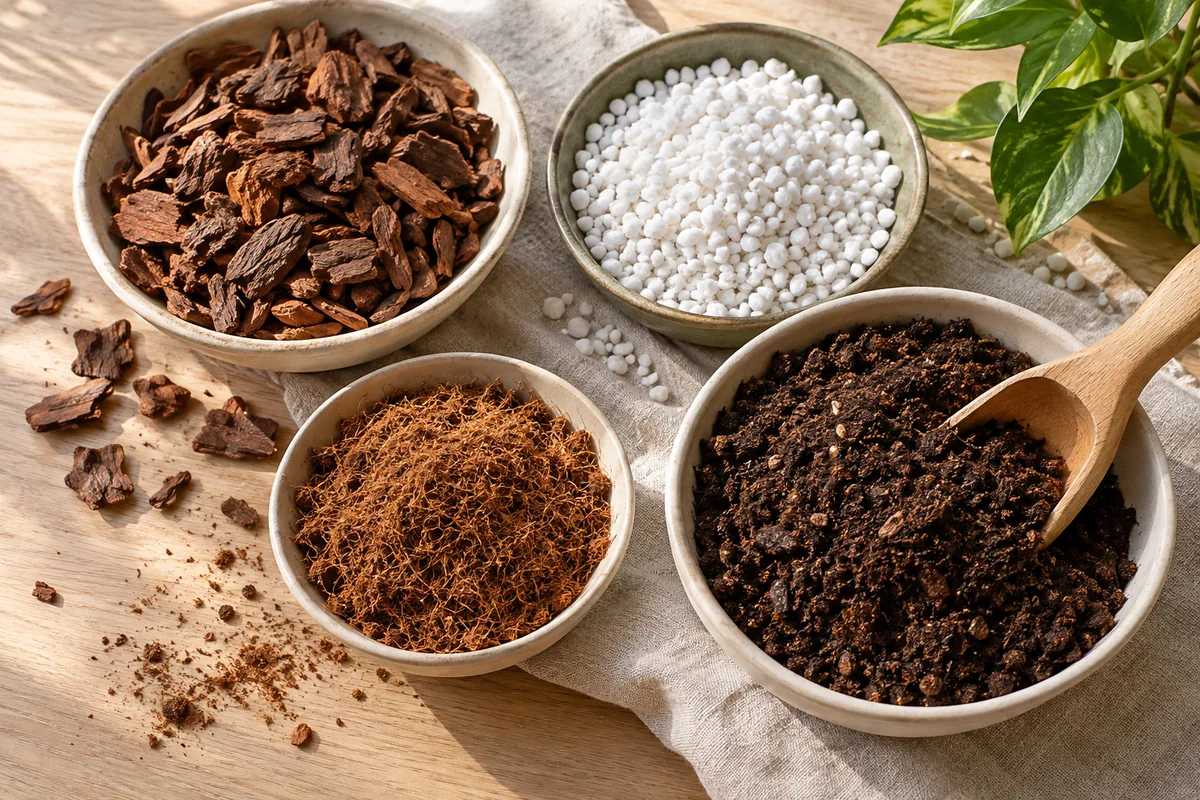
Bark contributes physical spaces among finer ingredients. The size and shape of its pieces influence how closely the mix settles, how water passes through, and how readily roots contact moist material. Very large pieces can leave broad gaps around a small root system. Fine bark can retain more moisture and settle more densely than the chunky material often pictured in aroid blends. Choose a grade that suits the plant and container rather than copying the appearance of another grower's pot. A small rooted cutting usually needs closer, more even contact with moisture than a large established specimen whose roots already occupy most of its container.
Use bark as part of a deliberate blend. Many indoor aroids grow well in a suitable commercial houseplant medium with an appropriate proportion of coarse components. Adding bark can change the behavior, yet the amount depends on what the base mix already contains. Coir, composted material, and mineral particles each contribute something different. Measure by volume with a consistent scoop and write the proportions down. Avoid mixing separate ingredients until the result merely looks attractive. You need enough finer moisture holding material for the roots to remain in useful contact, along with structure that does not collapse into a dense mass after the first thorough watering.
Prepare the bark according to its product instructions. Some dry pieces accept water more evenly after a brief premoistening, while other materials arrive ready to use. Lightly moisten the complete mix before potting so dry pockets are less likely to remain around the roots. Turn the ingredients together thoroughly and remove any unusually large fragments that do not fit the scale of the container. Do not crush all the material into smaller particles simply to make it uniform. The larger pieces are part of its intended structure. Keep the work surface clean and avoid adding decomposing wood gathered from outside, where its composition and condition are uncertain.
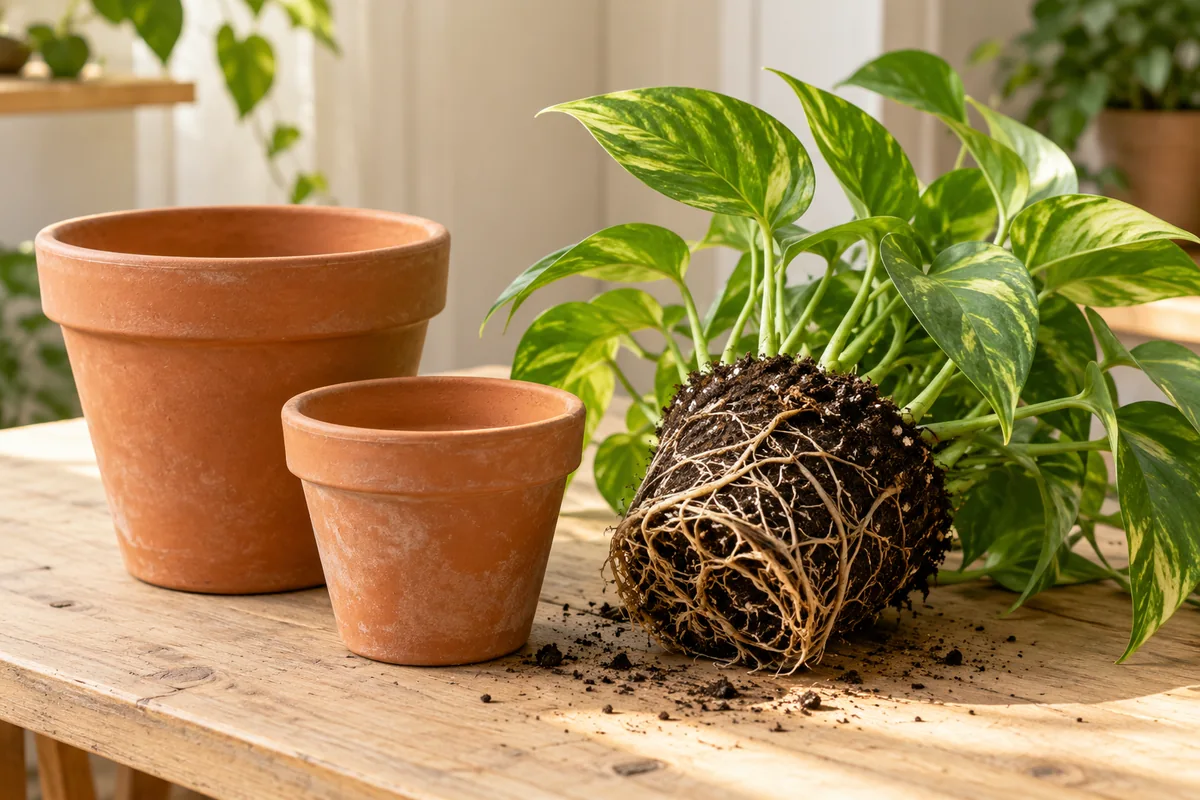
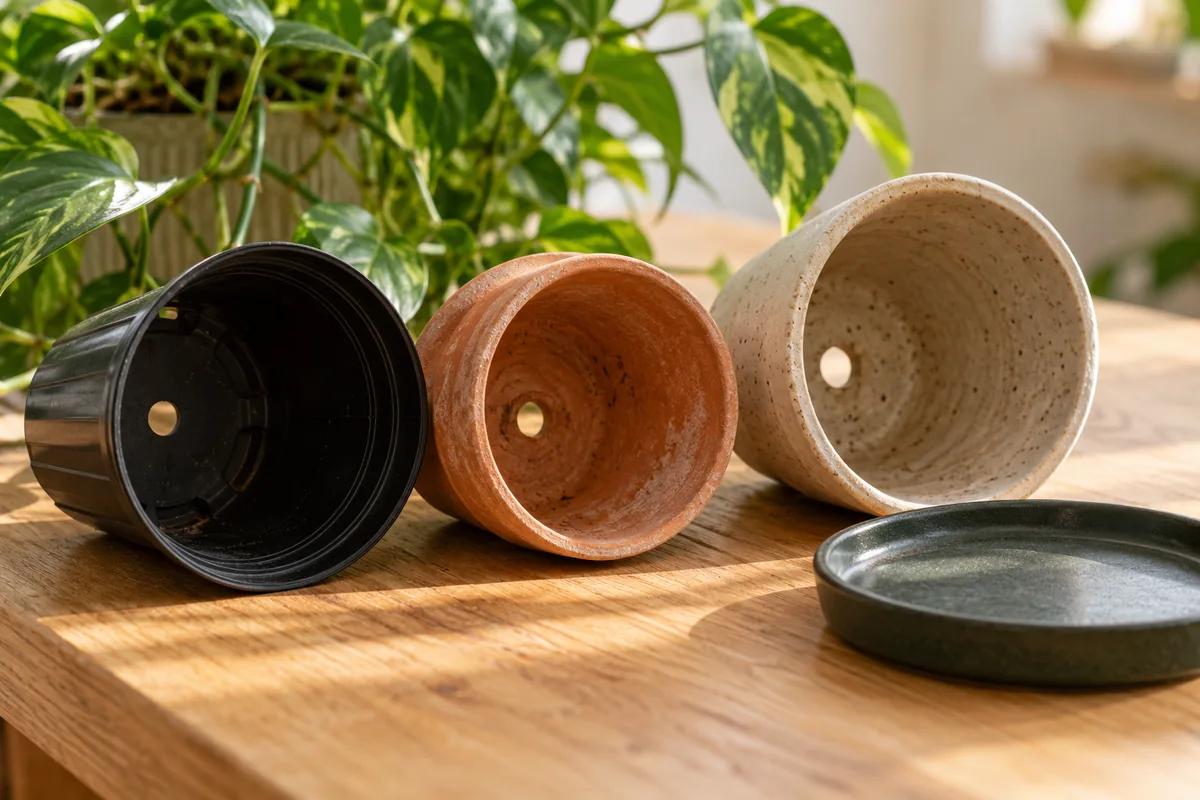
Set the aroid at its previous depth in a container with open drainage holes. Use a pot only modestly larger than the root ball and add the blended medium evenly around it. A barky mix should not be packed hard to prevent movement. Provide an appropriate stake or support if a climbing stem needs stability. Insert supports carefully to avoid forcing them through major roots, ideally planning their position during repotting. Keep the leaf stalks free to move and fasten only the appropriate stem section. A loose mix and an unstable plant are different problems; solving the second by compressing the first can undermine the structure you intended to create.
Water slowly and observe where it goes. Coarse mixes can drain rapidly, yet rapid runoff does not always mean every part of the root ball has become moist. Apply water across the surface rather than repeatedly pouring against one side. Let excess drain and empty the outer cover. During the next interval, inspect beneath the visible bark because the surface pieces may dry while finer ingredients below remain damp. Learn the new pot weight after watering. A mixture that needs attention more frequently in a bright warm room may stay moist much longer in a cool shaded position. The blend cannot be judged independently from the room in which it is used.
Bark changes as it ages. Pieces soften and gradually break down, while roots and finer particles fill the original spaces. This can reduce the open structure and alter drying behavior over time. If the pot stays damp longer than it once did, inspect root crowding and mix condition when repotting is justified. Adding a fresh decorative layer of bark at the surface does not restore the deeper structure. Avoid changing the entire medium too frequently simply because a few pieces look darker. Observe the plant's growth, the firmness of its roots, and the watering pattern together before deciding whether the mix needs a substantial refresh.
The best bark blend is one you can water consistently for the plant you actually have. Keep notes on the grade and proportion, then watch how new roots and leaves develop through several months. If the mix dries too abruptly, reconsider the balance of ingredients and the container rather than assuming all aroids require the coarsest possible medium. If it remains wet, inspect volume, light, and drainage before adding still more bark. A thoughtful blend gives roots both contact with moisture and room for air. Understanding the pieces makes the result more repeatable than treating chunky texture as a goal by itself.