A warm autumn afternoon can make the patio look suitable long after its nights have become uncomfortable for tropical plants. Plan the return indoors around the needs of each species and the forecast, rather than waiting for the first obvious frost. The move is easier when a suitable space is ready before the pots reach the door. Think about light, temperature, access for watering, and room to inspect the plants separately. A plant that has grown well outside may be larger than it was in spring, so its old shelf may no longer fit. Measuring that space now prevents a hurried arrangement in a dim corner when the weather changes overnight.
Check the overnight lows and research the minimum conditions appropriate for the plants you keep. Many familiar houseplants need warmth well above freezing, and some are more sensitive than others. A roof or wall can provide shelter without making a cold patio suitable indefinitely. Start the transition while conditions are still manageable and you have time to inspect the collection. If the plants can spend a short period in a sheltered brighter indoor area before moving to their final positions, that may make the change less abrupt. Avoid a rigid date that ignores local weather. An unusually early cool spell deserves a response even when the calendar still suggests summer.
Inspect each plant before bringing it close to the indoor collection. Look under leaves, along stems, around pot rims, and near drainage holes. Remove fallen leaves and loose debris from the surface so the base is visible. Examine unfamiliar marks or moving insects rather than assuming every outdoor plant needs the same treatment. A clean damp cloth can help on suitable broad leaves, while delicate surfaces need gentler handling. Keep returning plants apart from established indoor specimens during an observation period when space allows. This separation gives you time to notice issues that were easy to miss outside without immediately placing neighboring leaves in contact.
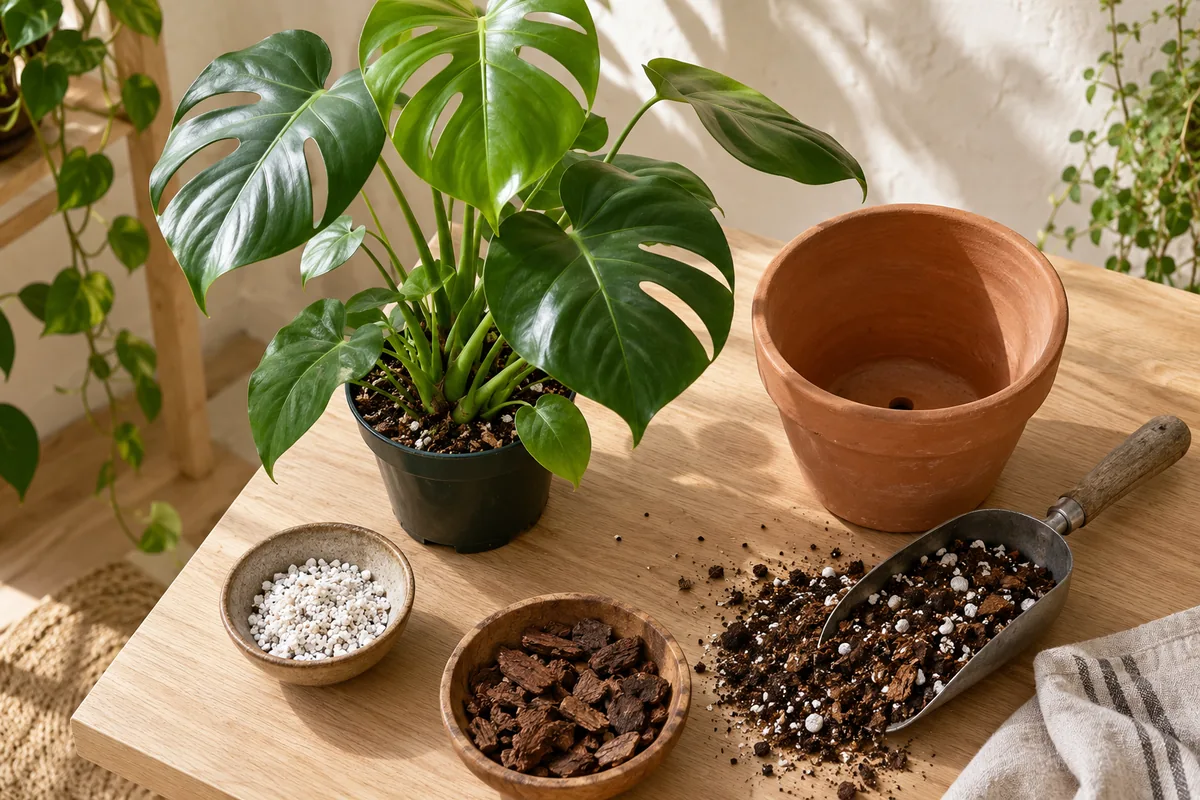
Check the container as carefully as the foliage. A pot that drained well on the patio may still hold water inside an outer cover when moved indoors. Empty collected rainwater, clear accessible drainage holes, and use a saucer that protects furniture without keeping the base submerged. Avoid automatic repotting on arrival unless there is a clear root or container problem. The plant is already adjusting to new light and air, and extra disturbance can make its response harder to interpret. If a tall specimen needs support or a more stable position, arrange that gently. Do not trim large amounts of sound foliage solely to make the plant fit an unsuitable space.
Place the plant where it receives useful light appropriate to the species. Indoor brightness is usually lower than outdoor brightness, even near a window, and the shortening season can reduce it further. Keep leaves clear of glass that becomes cold at night and away from direct heating airflow. A position that was too sunny in midsummer may become useful now, but check the actual exposure. Moving from a shaded patio to a harsh afternoon beam can still mark leaves. Observe the light through the day rather than assuming all indoor positions are gentle. Choose a stable arrangement that allows the plant to settle instead of moving it repeatedly between rooms.
Relearn the watering pattern after the move. Reduced light and slower growth can mean the pot dries more slowly, while heated indoor air may increase moisture loss from some leaves. Those influences do not cancel each other in a predictable way. Check the mix below the surface and compare the pot's weight before watering. A rain soaked container may need a considerable interval before it is ready. Apply water thoroughly when needed and empty the saucer after drainage. Do not continue the outdoor routine simply because it worked all summer. The root zone now receives different light, temperature, airflow, and water inputs, making direct observation the most useful guide.
Some older leaves may yellow or fall as the plant adjusts. Note the extent and timing rather than assuming every lost leaf means the return has failed. A small change can accompany a major shift in growing conditions, while continuing collapse or soft stems calls for closer investigation. Review moisture and temperature before adding fertilizer or moving the plant again. Feeding should follow active growth and appropriate product directions, not an attempt to compensate for reduced daylight. Keep the observation area tidy and accessible so you can inspect new leaves and stems. Fresh growth later will give a clearer picture than the condition of a leaf that developed under an entirely different outdoor environment.
Record the return date, the outside conditions, and the indoor position chosen. Note which plants needed the gentlest transition and which pots remained wet longest. Those details will improve next autumn's plan and help you decide which plants are worth moving outdoors again. Continue checking returning specimens before combining them closely with the rest of the collection. A successful return means a workable indoor arrangement and care suited to the new conditions, even if growth slows for a while. The patio season ends most smoothly when the move is prepared early, the plants are inspected individually, and their watering is allowed to change with the environment rather than with habit.