Understanding Golden Canes and Two Names
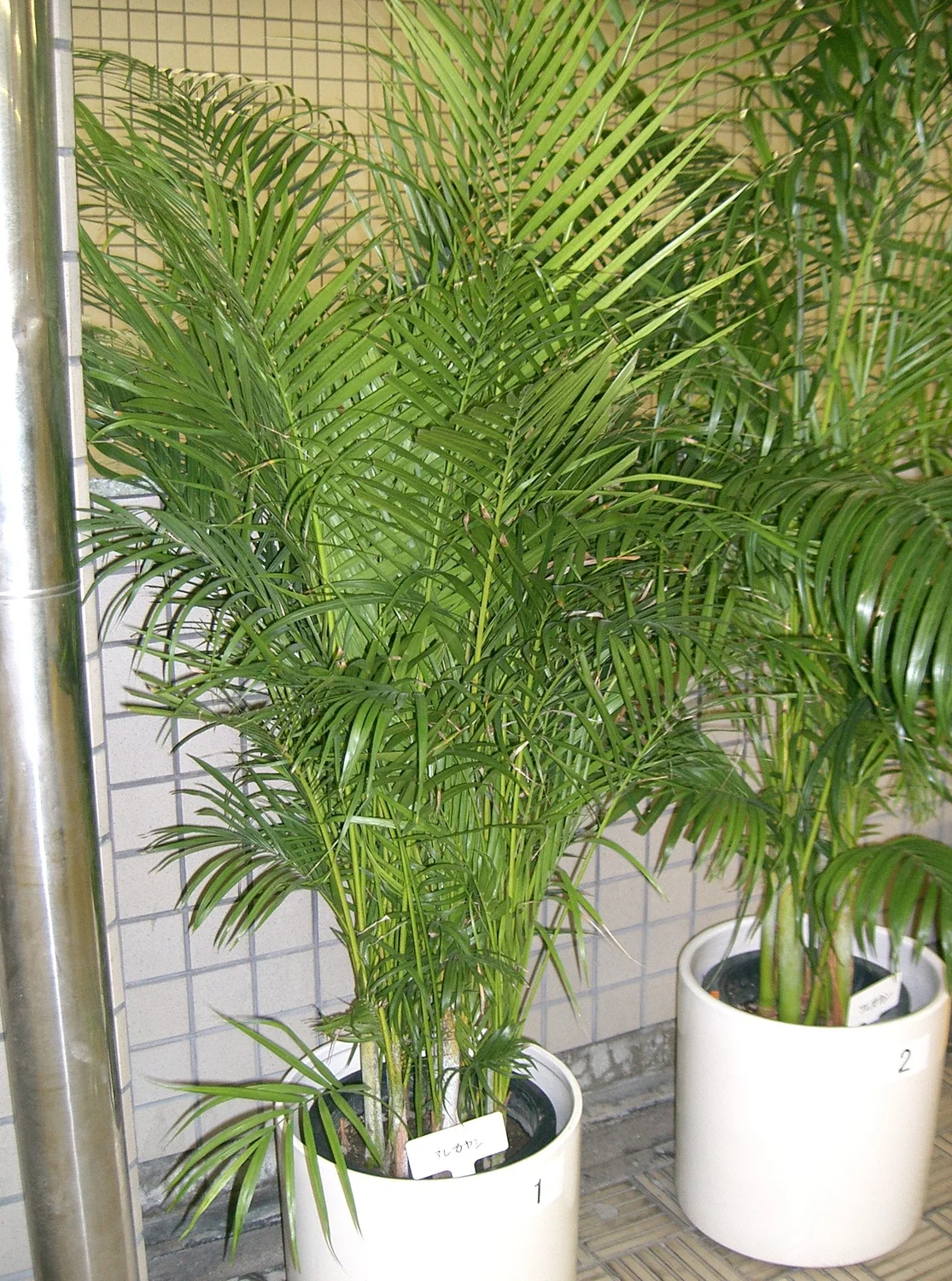
Golden cane palm can fill a room with movement even when its leaves are still. The curved fronds rise from a collection of yellowish canes and spread into a light, fountainlike canopy. Chrysalidocarpus lutescens is also widely encountered under the name Dypsis lutescens, and it is frequently sold as areca palm. That last common name should not be confused with an identity in the genus Areca. Keeping both scientific names on a care record makes older horticultural information easier to follow. A full nursery pot is impressive, but the eventual width deserves attention before it is placed beside an office desk.
This is a Madagascar palm that naturally develops a clustering habit. Its canes and leaflet midribs can have a golden tone, so some yellow is a normal characteristic rather than an automatic symptom of starvation. A leaf that is uniformly losing green while its neighbors remain dark tells a different story. Native identity also matters when considering the plant as a gift: Madagascar's flora has a specific environmental context that is more interesting than an invented tropical legend. An indoor specimen is a cultivated ornamental, and its value does not depend on claims that it will change a household's fortune or purify a building.
Brightness and Accessible Watering
Give it a bright growing position with filtered daylight. Compared with a parlor palm, golden cane palm asks more of an ordinary indoor space if a dense canopy is to be maintained. A well-lit lobby, conservatory, or large living room beside generous windows is realistic. A dim room at the back of an office is a compromise likely to show in reduced growth and a thinning outline. Protect newly purchased foliage from sudden hot sun, while recognizing that a shaded greenhouse leaf cannot be judged by what a landscape palm tolerates outdoors. Introduce stronger exposure through a gradual transition.
Active growth uses water, but the roots still require air. Keep the mix moderately moist without leaving it soggy. Water across the occupied root ball, allow drainage, and empty any hidden surplus from the outer planter. The many canes can make the soil hard to reach, so design access before the display becomes established. A long watering spout may help, but it must deliver to the medium rather than trapping water among crowded bases. In winter, judge each application anew. A large root ball in lower light may remain damp even when the exposed uppermost surface appears dry.
Air, Roots, and Canopy Renewal
Humidity deserves a realistic place in the plan. Heated indoor air moving across the fronds can dry tips and favor mite problems. If a humidifier is used, monitor the room rather than assuming a small decorative water tray changes the conditions around an entire large canopy. Avoid placing the palm directly beside equipment that alternates warm and cold drafts. Brown tips can also arise from salts and irregular moisture, so humidity should not become a universal explanation. Look at new leaves, root condition, and the recent care record together before changing several things at once.
Repot into an open, moisture-retaining container medium when roots and the condition of the mix justify it. Choose a moderate size increase, not an enormous planter intended to create instant stability. A heavier cover can supply weight without adding unnecessary wet root volume. Keep the cane bases at their original level and handle connected shoots carefully. A clump is not improved by stripping it down to one cane per pot unless propagation is the deliberate goal. For ordinary indoor maintenance, preserving a sound root mass gives the palm a better chance of settling promptly into its new container.
Pruning Whole Fronds and Inspecting Fine Leaflets
Prune by removing spent fronds or complete unwanted canes, not by trimming every leaf to the boundary of a room. Shortening the canopy repeatedly produces a collection of damaged leaves whose tips cannot regenerate. Retained canes must keep their growing points. A few ageing lower fronds are normal, but a widespread decline of new spears needs investigation. Moderate labelled feeding during active growth supports the clump, while excess fertilizer can contribute to root-zone salts. An established bright-grown palm and a recently transported shaded specimen should not automatically receive the same intensity of feeding.
Regular pest inspection is especially useful on this fine-leaved palm. Look along the lower leaflet surfaces for stippling or webbing and around cane bases for scale and mealybugs. A quick glance at the top of a large plant can miss a substantial sheltered population. Separate an affected palm while identifying and treating the problem appropriately. When cleaning, support the fronds and use gentle methods that do not snap the central stems. Rotating the plant should also be careful: a broad canopy can catch a blind or light fitting well beyond the path of the container being moved on the floor.
A Generous Gift Needs a Practical Home
As a gift, golden cane palm suggests exuberance through its form, and a giver may choose it to mark an office opening or a household coming together. Those are personal associations, not proven species-specific promises of prosperity. It is best offered after confirming the recipient wants a sizeable plant and can provide bright conditions. A small gift card should explain the two scientific names and the normal golden coloring of the stems. For a workplace, arrange one caretaker and a drainage method that protects the floor. A living fountain needs a practical home more than a ceremonial location chosen solely for the first photograph.
Long-term success is visible in the balance of canes and replacement fronds. The plant may gradually become less uniformly dense than it appeared in its production pot, yet still form a handsome, healthy clump. Golden new canes should be assessed beside the normal color of their older neighbors. Assess whether light reaches the interior and whether the current container can be watered thoroughly without remaining saturated. If the room cannot supply the required brightness or humidity, changing the species can be more sensible than continually correcting symptoms. Chrysalidocarpus lutescens is at its best when its exuberant appearance is supported by an equally deliberate understanding of space, roots, moisture, and the actual indoor climate.