A room can feel comfortable at chair height while a plant pot sits on a noticeably cold floor. Tile, an exposed corner, or a position near an exterior door can create a different environment around the roots. Large floor plants are easy to overlook because their leaves occupy warmer air above the container. Start by checking the temperature and moisture where the pot actually rests. A cool root zone can dry slowly and make an ordinary watering routine less suitable. The solution may be a stable stand or a modest position change, chosen with the plant's light needs and the room's layout in mind rather than an immediate change to the plant itself.
Observe the position early in the morning or during the coldest ordinary conditions. Feel the floor near the pot and use a room thermometer at pot level if you need a clearer comparison. Keep the thermometer out of direct sun and compare the conditions with the species requirements. A tropical foliage plant differs from a species that suits a cool bright room. Check for drafts from a door or low window, since moving air can make the location less stable than a single reading suggests. Note whether the floor is consistently cool or only affected during brief periods. That pattern helps you choose a practical adjustment instead of reacting to one unusual moment.
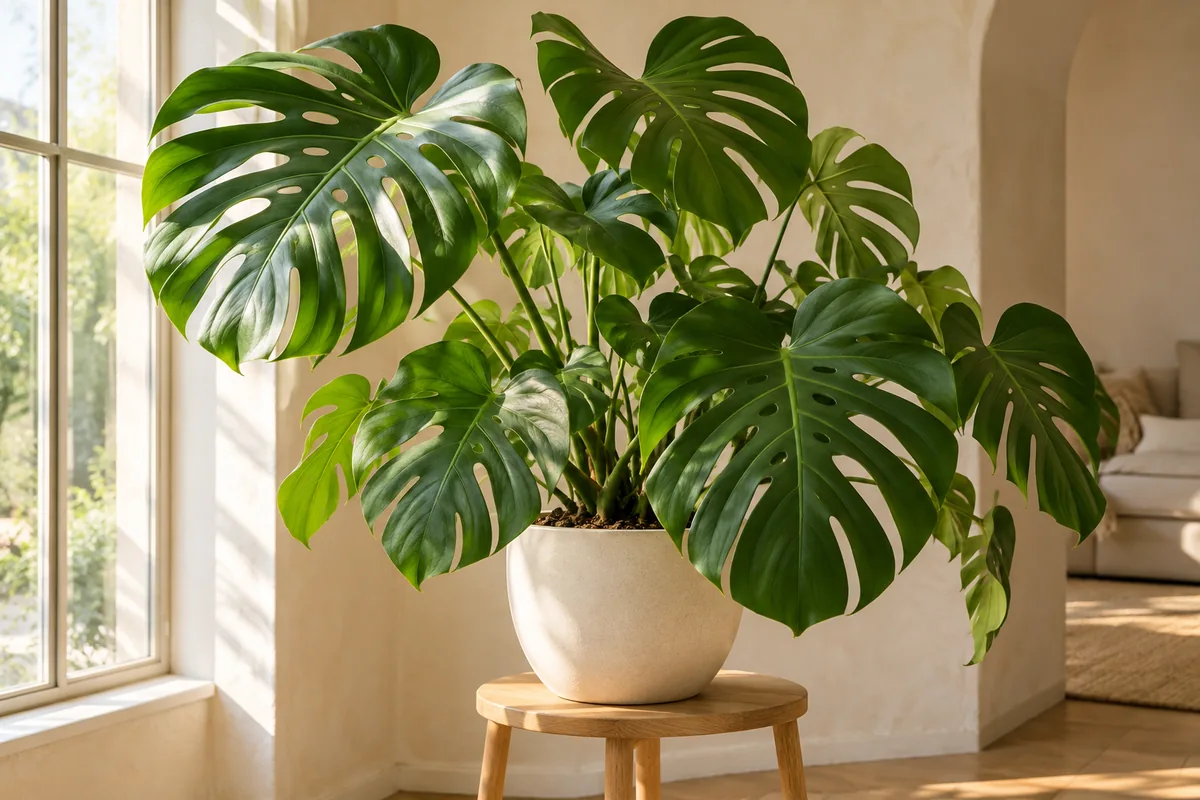
A low stable stand can create separation from the floor and make the pot easier to inspect. Choose one rated for the full weight of the container after watering, with a surface that supports the base securely. Avoid balancing a heavy planter on narrow improvised blocks. Keep the stand level and clear of walking routes. If children or pets use the room, consider the stability of the entire arrangement, including a tall canopy. A tray that protects flooring should still allow you to see and remove runoff. Raising a pot is useful only when it improves the growing position without making ordinary watering or movement through the room awkward.
Moving the plant a short distance away from an exterior wall or draft may provide more even conditions. Recheck light at the new position before making it permanent. A bright floor plant should not lose most of its useful daylight simply to escape a cool surface. A suitable stand closer to the original light may be better than a distant corner. Keep leaves clear of radiators and direct hot airflow, which can create a new temperature extreme above the roots. The aim is a moderate stable environment from pot to canopy. Avoid trying to warm the plant with unregulated heaters or improvised electrical devices placed against the container.
Review moisture carefully while the root zone is cool. A large pot may remain wet beneath a surface that looks dry, especially when growth is slow. Feel accessible areas below the top layer and compare the pot's behavior across several checks. Water when the species reaches its appropriate drying point, applying it evenly and letting excess water escape. Empty the saucer and the bottom of any decorative outer container. Standing water is easy to miss when a floor planter is heavy and rarely moved. Build inspection into the arrangement so you can check the base without unsafe lifting. A suitable pot position should make that essential task possible throughout winter.
If leaves change posture or older foliage yellows, check the whole environment before deciding the roots are cold. Light, moisture, natural aging, and root condition can produce overlapping signs. A photograph and a short record of temperatures and watering can reveal a pattern more clearly than memory. A plant with wet mix and a soft base needs closer investigation than a firm plant simply growing slowly. Avoid adding fertilizer as a general response to a winter pause. Nutrients do not correct an unsuitable temperature or saturated root zone. Keep changes modest enough that the plant's response can be linked to an actual adjustment, rather than several interventions made in the same afternoon.
Watch the position after making the change. A raised pot may dry somewhat differently because air can move around its base, while a move away from a window can reduce light. Continue checking rather than assuming the earlier watering interval is still correct. Keep the stand and tray dry enough to protect the room, and make sure drainage holes remain unobstructed. If the plant is very large, plan a safe way to handle future watering and inspection instead of leaving it in a difficult corner because moving it once was inconvenient. Practical access matters as much as the temperature difference. A position that cannot be checked reliably is unlikely to remain manageable over a long season.
Record the winter floor conditions and the arrangement that works best. Include any draft, stand, or change in drying time so next year's preparation is straightforward. The plant does not need a warm pot at any cost; it needs a root environment appropriate to its species and consistent with its light and water use. Keeping roots clear of a cold surface is one part of that wider picture. Once the position is stable and accessible, ordinary care becomes easier to judge. The leaves and roots can then be considered together, reducing the chance that a comfortable room reading hides a colder wetter situation at the base of the plant.