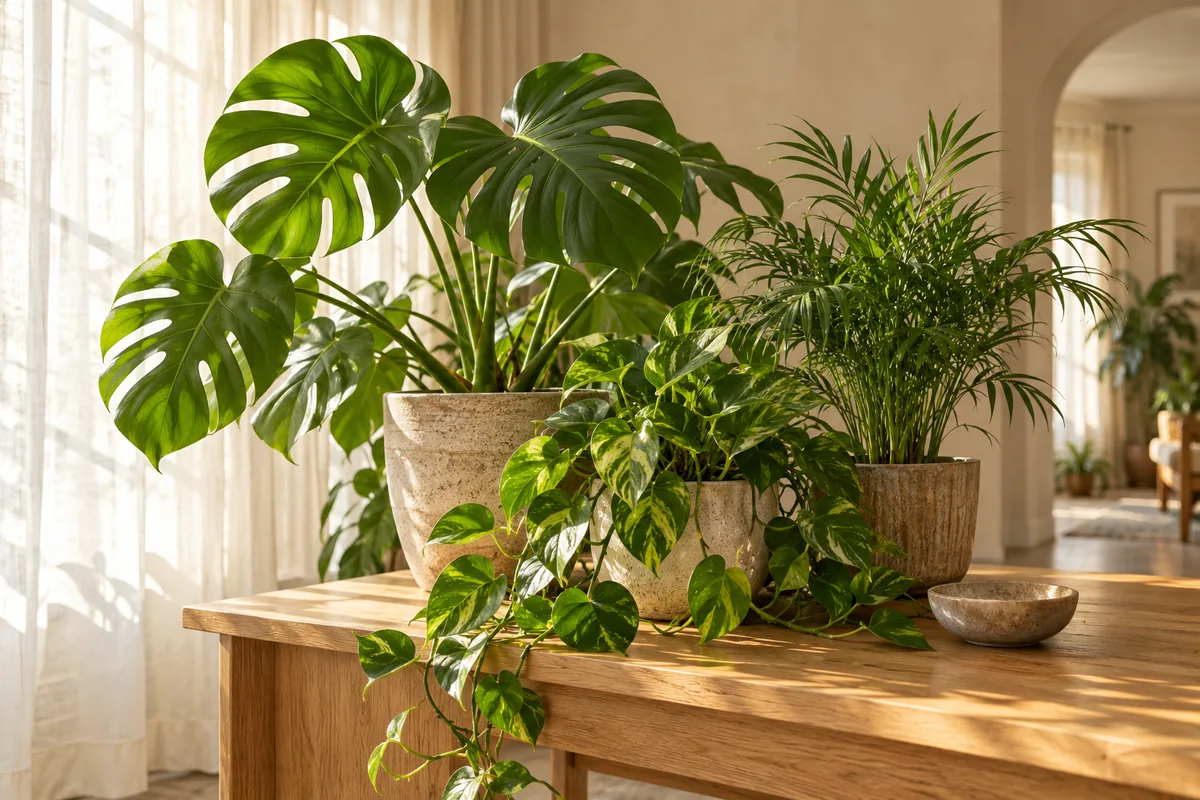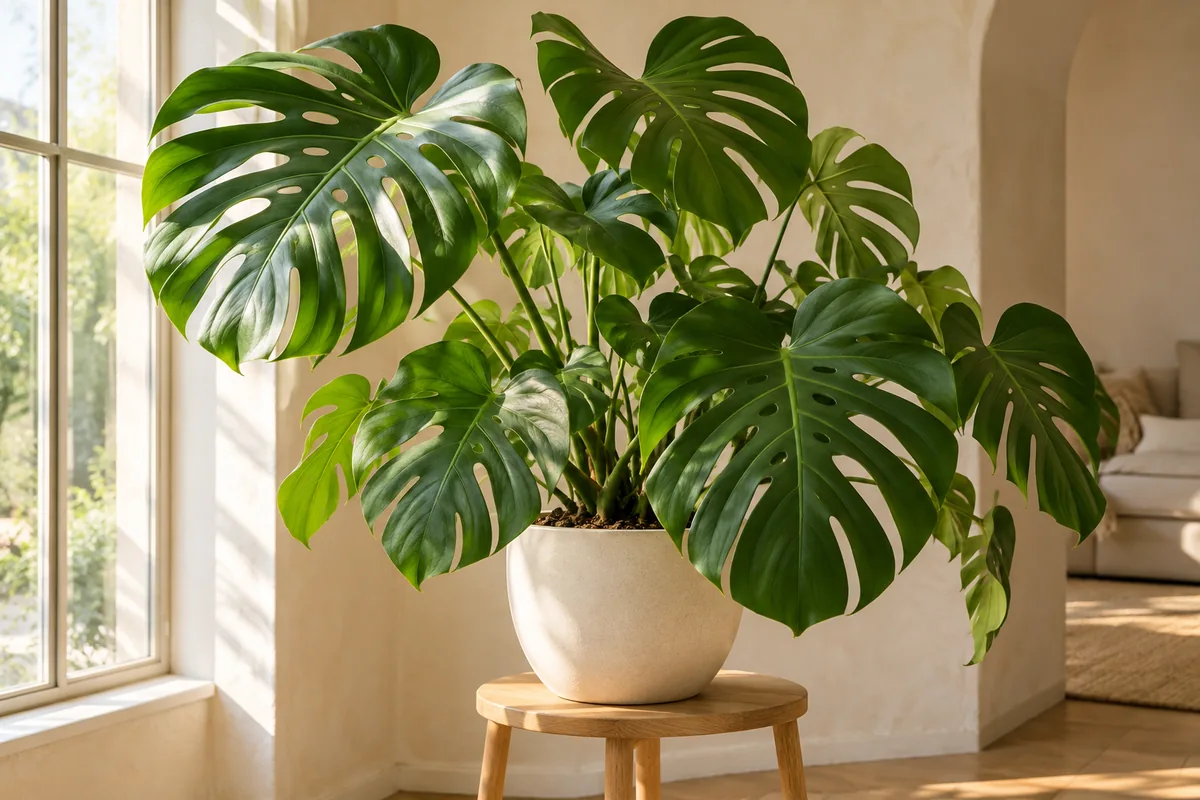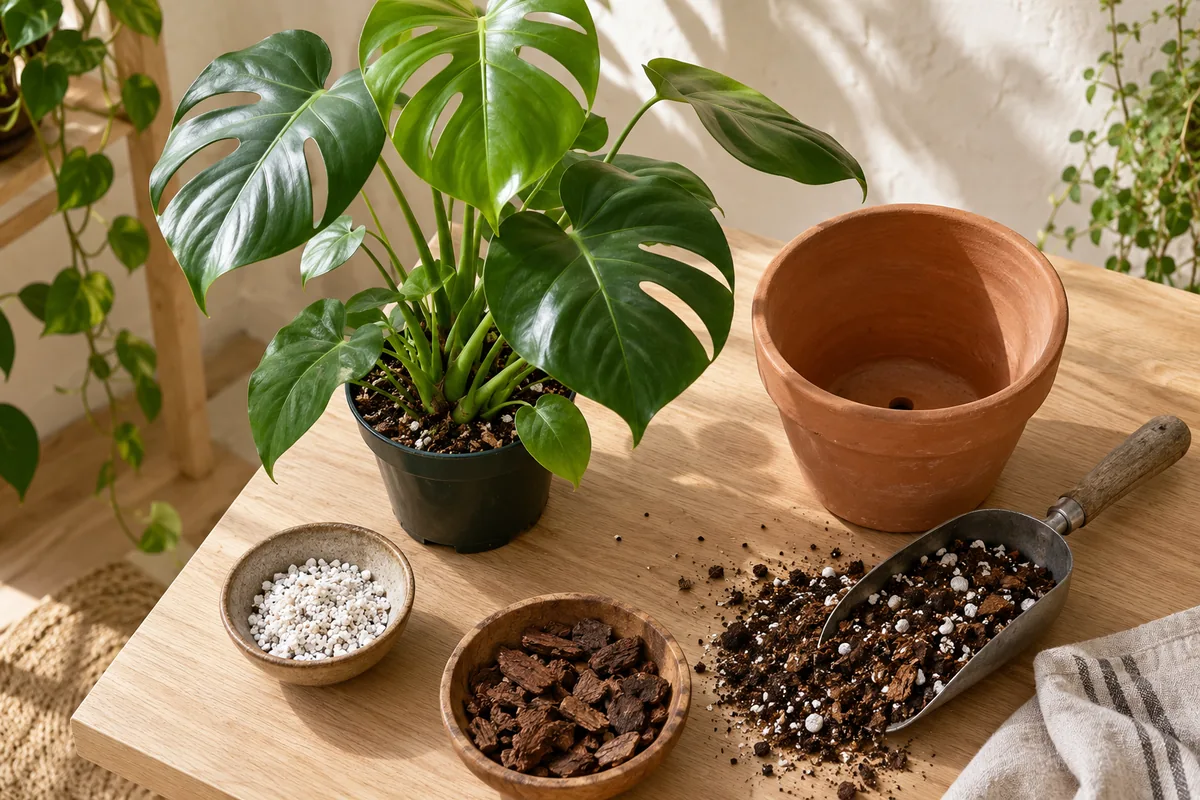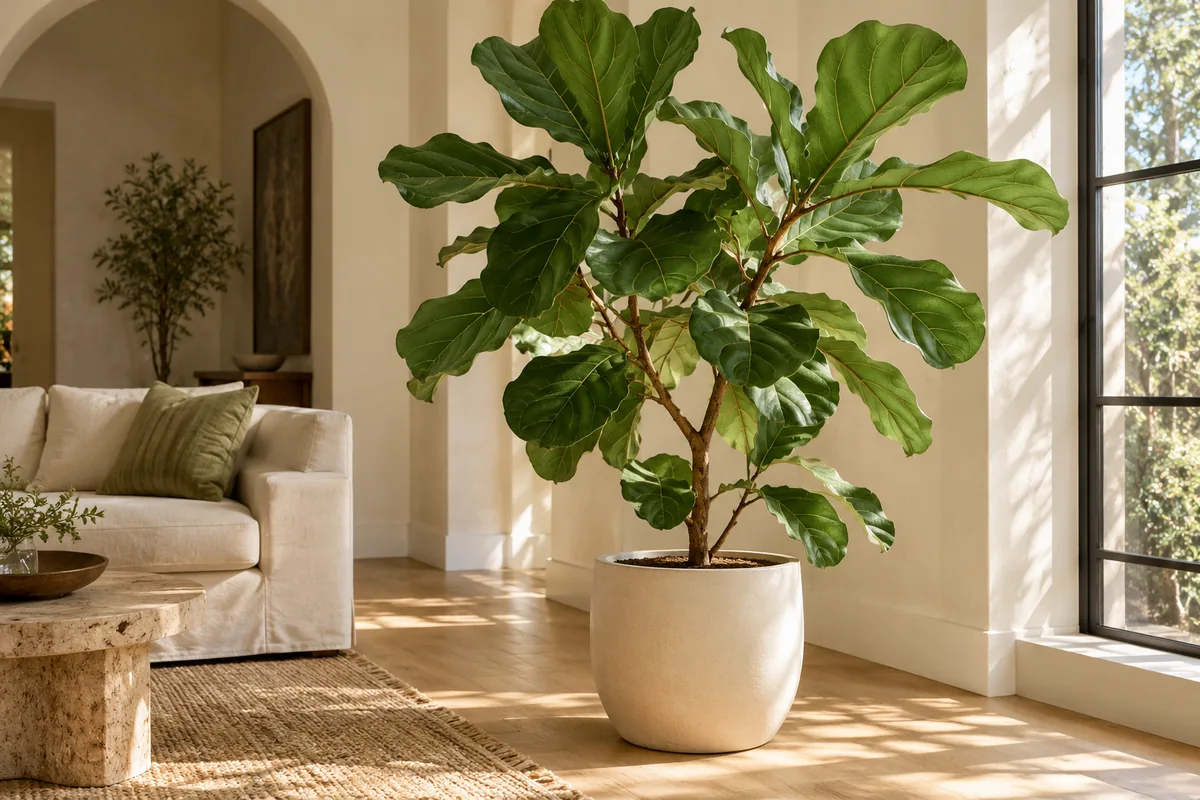
A familiar plant can look slightly out of place during the first days in a new home, even when the pot and care routine have not changed. The windows, airflow, temperature, and daily light pattern are all different. Start by giving the plant a stable temporary position while you learn the room, rather than trying every attractive corner in quick succession. The move itself may also have involved dark packaging, vibration, or brief exposure to unsuitable temperatures. Keep those events in mind when interpreting a new mark or fallen leaf. The first task is to provide workable conditions and gather observations, not to make the plant perform as though nothing has changed.
Protect plants during transport with supports and packaging that keep pots upright and leaves from being crushed. Plan around the weather and avoid leaving them in a parked vehicle while other tasks continue. Cold or excessive heat can affect plants before the journey seems long to a person. Keep loose heavy objects away from stems and secure tall specimens against tipping. If the move is already complete, note any exposure that may explain later changes. Unpack promptly and remove material that restricts airflow or catches foliage. Inspect stems and pots for damage before choosing the next position, taking care not to pull leaves that have become trapped in wrapping or neighboring branches.
Compare the new light with the old position as accurately as possible. Window direction is helpful without describing the whole environment. An overhang, nearby building, different glass, or tree can change the brightness significantly. Watch the window through a few days before moving a shade accustomed plant into direct sun. A gradual change is easier for existing leaves to manage. A sun loving plant placed in a distant decorative corner may need a more useful window or suitable supplemental light. Choose a position where the plant can receive the right conditions and you can check it easily. The final furniture arrangement should leave room for ordinary care, not merely fit the pot visually.
Check temperature and airflow at the plant's height. A heating or cooling vent may be hidden beneath a window, and a frequently opened door can create a draft that was absent in the previous home. Keep leaves clear of glass and concentrated airflow. Tall plants need stable support and enough space for their canopy without rubbing against walls or curtains. Avoid using an exposed corner as a temporary storage place for weeks while other unpacking continues. If no permanent spot is ready, choose the best workable holding position and keep care simple there. A consistent temporary environment is easier to assess than a series of improvised moves between rooms with very different conditions.
Relearn watering from the mix rather than carrying over the old interval unchanged. A pot can dry faster or slower in a new home depending on light, temperature, and airflow. Check below the surface, compare pot weight where manageable, and note how long the container remains moist after watering. Apply water thoroughly when appropriate and empty saucers or decorative covers. A plant that looks unsettled does not automatically need another drink. If the mix is already wet, inspect drainage and temperature before adding water. Keep a short record for the first couple of weeks so the new pattern becomes visible. This is especially useful for large planters whose centers are difficult to judge from surface appearance alone.
Delay optional repotting and major pruning until the plant has settled, unless a damaged container or clear root problem needs attention. Combining several disturbances makes later changes harder to interpret. Feeding should also follow actual growth and the contents of the mix rather than serving as a general welcome treatment. Remove only damaged or spent material that needs removal, preserving useful foliage. Some older leaves may decline after a move, particularly on plants sensitive to changes in environment. Note whether the loss is limited or continuing. A photograph taken shortly after arrival provides a reference so you can distinguish existing marks from new ones without relying on memory during a busy period.
Watch the growing points over time. New leaves that develop normally under the new conditions are a useful sign that the plant is adapting. Existing stretched stems or damaged leaf edges will not be rewritten by a better position, so avoid judging the entire result from those old features. If growth remains weak, review light before adding fertilizer. If the pot stays wet and foliage declines, review roots and drainage. Make one modest adjustment at a time and allow a reasonable observation period. Moving house changes many variables at once; the recovery routine becomes clearer when you deliberately reduce that number rather than adding a new treatment every few days.
Once the plant is stable, record its new position and the care pattern that works there. Include the window exposure, any vent nearby, and the usual signs that watering is needed. These details can guide the placement of other plants as the home takes shape. Keep the arrangement flexible enough for seasonal light changes without turning every week into another move. A successful transition may involve slower growth for a while and a few imperfect older leaves. What matters is a firm plant, a workable root environment, and new growth suited to the room. Give it time to build that relationship with the new space before asking for additional changes.