The first week of indoor heating can change a plant's surroundings without moving the pot at all. Airflow begins near a vent, the room becomes warmer at certain times, and the air may feel drier than it did earlier in autumn. Start by checking those changes individually. A brown leaf tip is not a complete explanation of the root zone, and a dry room does not necessarily mean the soil is dry. The useful response is to understand where heat and moving air reach the plant. A modest change in position can sometimes improve conditions more effectively than adding water or spraying the leaves repeatedly throughout the day.
Look for direct airflow from heating vents, radiators, and other warm surfaces. A plant should not sit where a regular stream of hot air strikes its foliage. Move it far enough away to avoid that concentrated exposure while retaining appropriate light. Check the pot as well as the leaves, since roots near a hot surface can experience conditions different from the rest of the room. Avoid placing the plant beside a cold window merely to escape a vent. The aim is a stable bright position with moderate conditions, not a daily exchange between two extremes. Observe the room when the heating is actually operating rather than only when it is off.
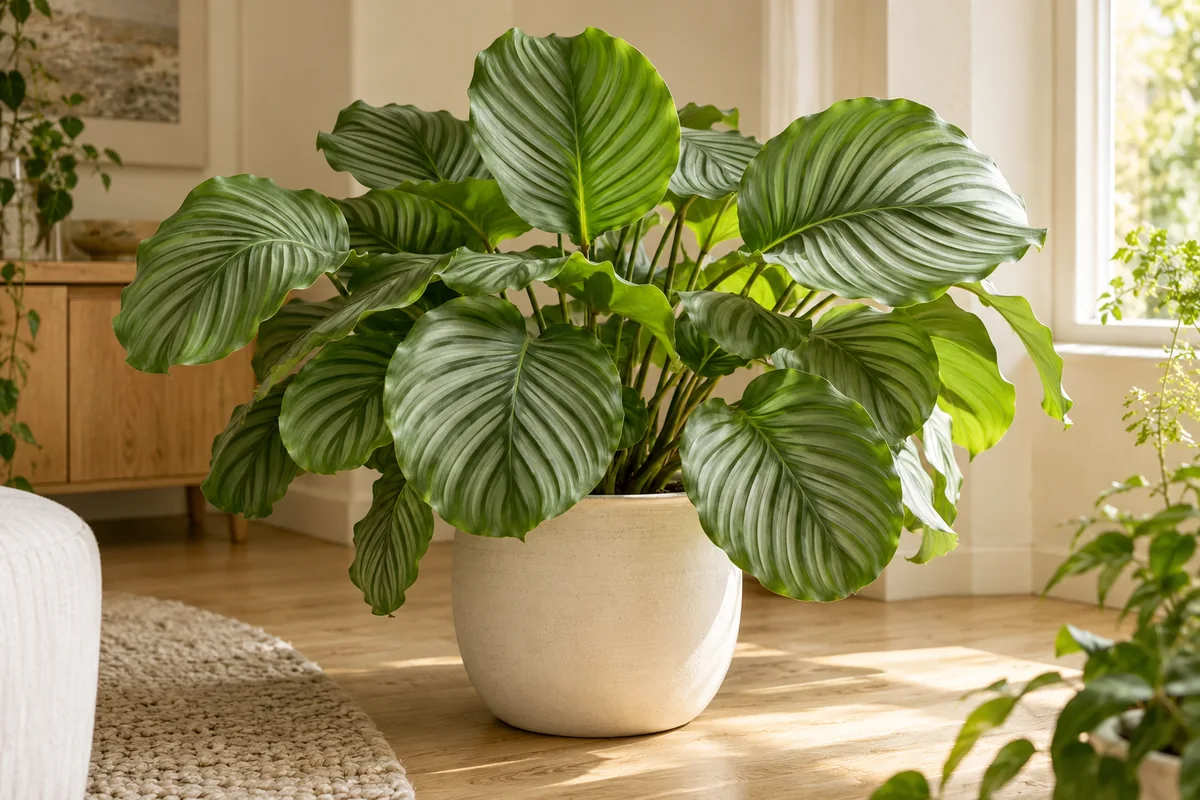
Use a simple humidity meter if you want to know how the room changes through the day. Place it near the plants without letting direct water spray distort the reading. Different species tolerate different ranges, and a fleshy jade plant has different preferences from a calathea or many ferns. A reading provides context rather than a demand to raise humidity to the same level for every plant. Consider the building and room conditions too, since persistent condensation on windows suggests that adding more moisture may be inappropriate. A plant arrangement should work for the space as a whole. Choose species and positions that fit what the room can reasonably provide.
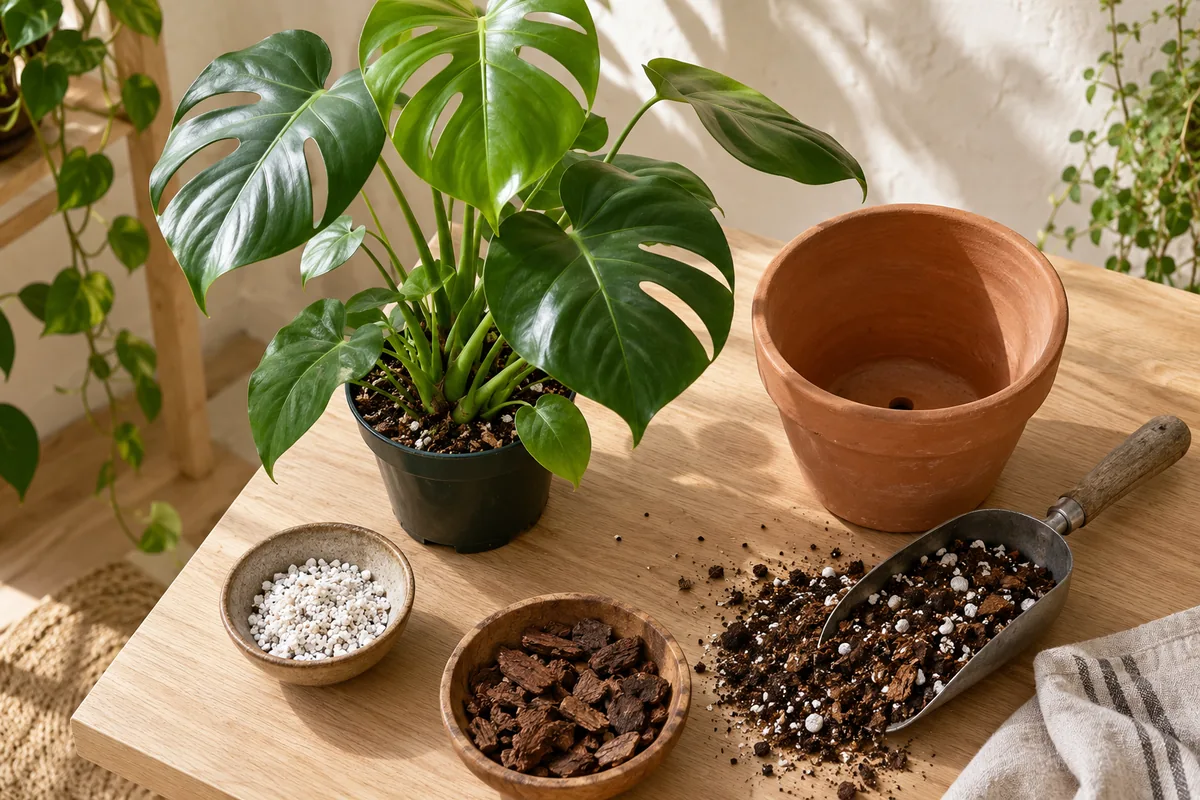
Check the mix before increasing watering. Heating can accelerate drying in some containers, while reduced winter light slows water use in others. Those influences vary with pot size, material, roots, and location. Feel below the surface and compare the weight of a manageable pot. When watering is needed, apply it thoroughly and allow the excess to drain. Empty outer covers and saucers so the base does not remain submerged. A leaf with a dry edge over wet mix needs a closer look at air conditions and roots, not another automatic drink. Keeping these observations separate prevents a dry room from becoming a reason to leave every root ball constantly wet.
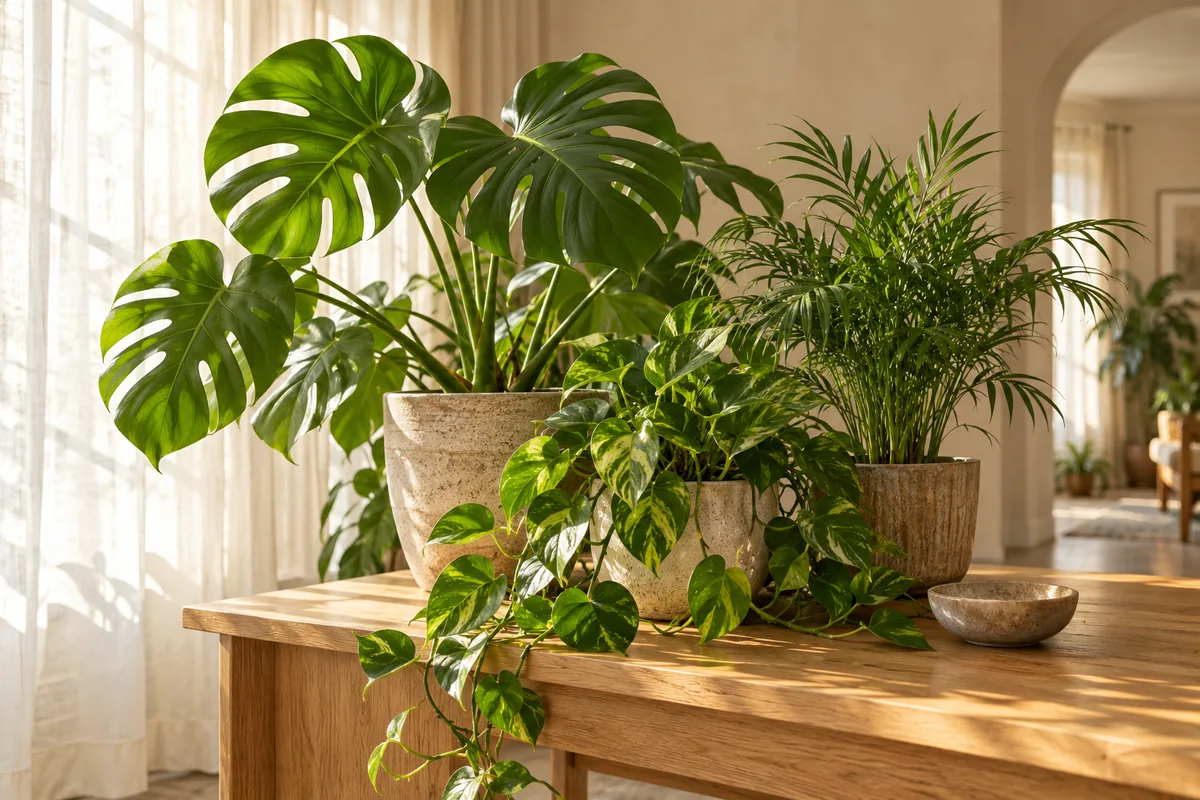
Brief misting changes the immediate leaf surface but does not provide a lasting increase in humidity throughout an open room. Repeated spraying can leave marks or keep some delicate foliage wet without addressing the larger environment. A suitable humidifier can alter room moisture more consistently when it is used, cleaned, and positioned according to its instructions. Keep mist away from electrical fixtures and surfaces that should remain dry. Grouping plants may make care easier and modestly influence their immediate surroundings, but do not pack leaves tightly together or block airflow. Keep the arrangement open enough to inspect the undersides of leaves and the surface of each pot.
Plants with thin or finely divided leaves may show the change in air sooner than plants with thicker foliage. Watch the pattern over time instead of reacting to one old mark. Dry tips can have several causes, including water quality, accumulated dissolved material, root disturbance, and moisture extremes. Review those possibilities alongside humidity. A photograph makes it easier to see whether the affected area is increasing or simply an old imperfection. Do not trim every edge repeatedly in an effort to make the leaves look untouched. Keep useful green tissue and focus on the conditions that new leaves will experience. Fresh growth provides a better indication of whether the adjustment is working.
Keep ordinary inspection active during the heating season. Dry sheltered rooms can make some common plant problems easier to miss until a larger area is affected. Look under leaves and along stems, identifying unfamiliar specks or webbing before choosing any treatment. Remove fallen leaves from the mix and keep pots accessible. Avoid adding fertilizer as a response to dry edges or slow winter growth. Nutrients do not replace suitable air conditions, light, or a workable root environment. If a plant continues declining despite modest adjustments, review its species requirements and whether the room is a practical long term match. Sometimes a different position is more useful than continuing to add interventions.
Record when the heating began and which plants changed their drying pattern or leaf appearance afterward. Note any position move, humidity adjustment, and response in later growth. The information will help you prepare next year before the same transition arrives. A successful heating season does not require every older leaf to remain perfect. It requires a manageable combination of light, air, temperature, and root moisture suited to the plant. Once those conditions are understood, the routine usually becomes simpler: check the actual pot, keep foliage clear of concentrated heat, and make room changes carefully enough that their effect can be observed rather than guessed.