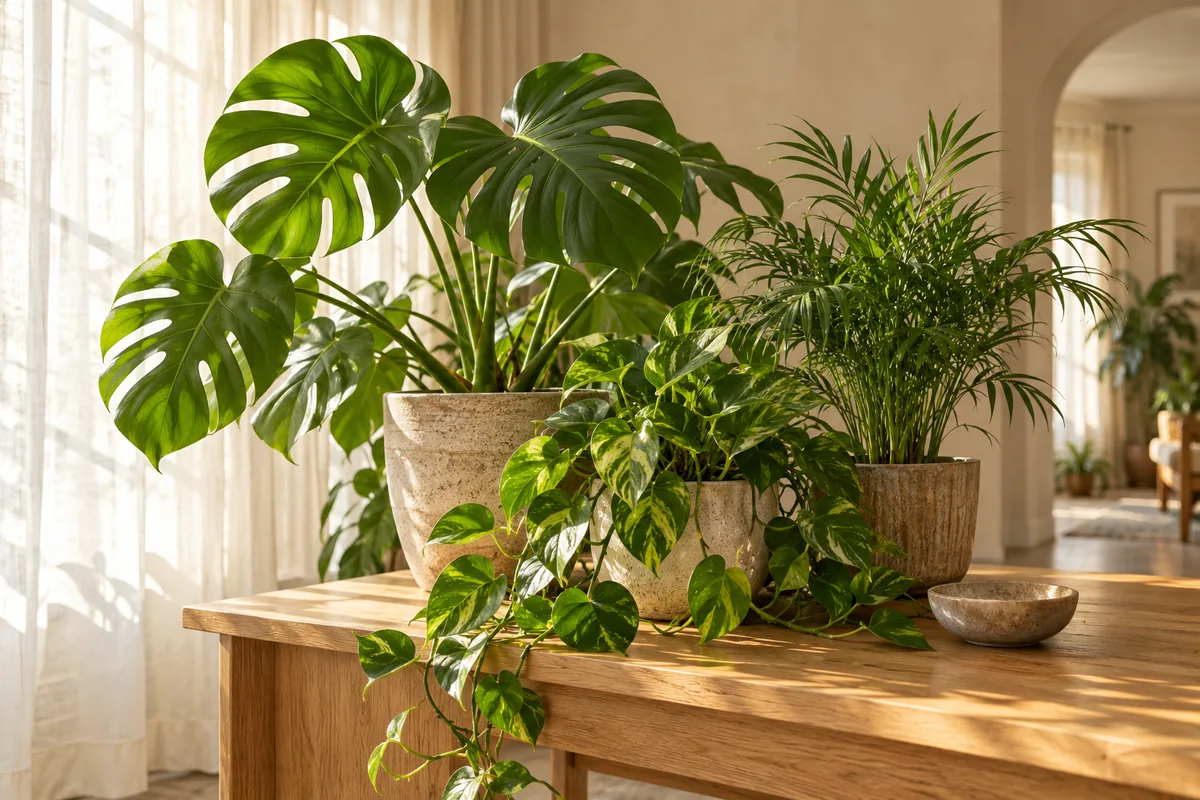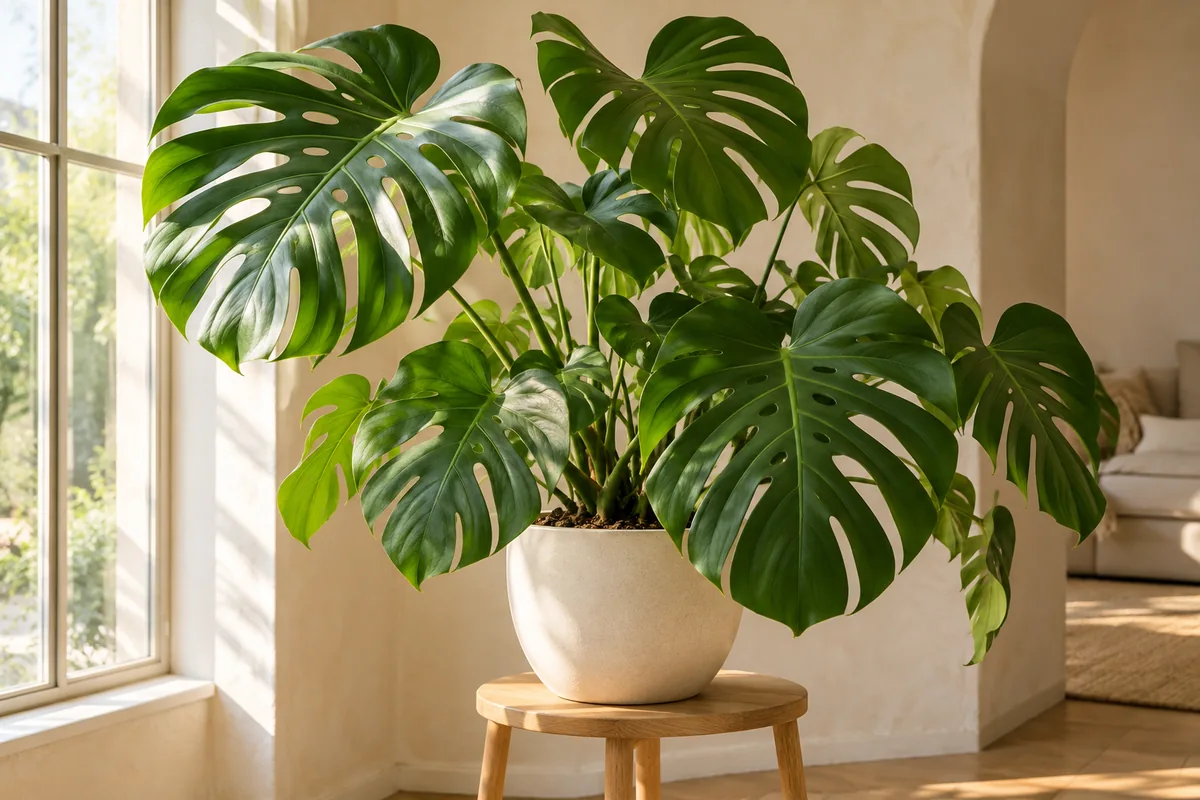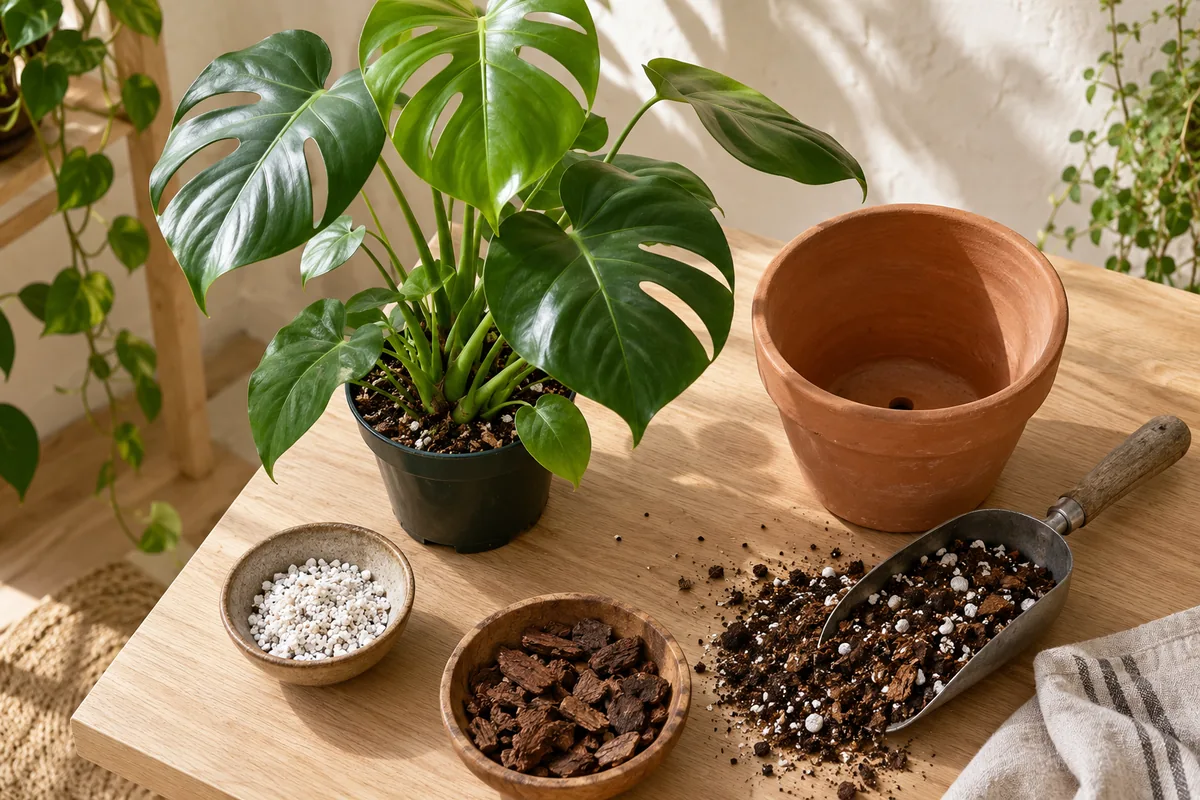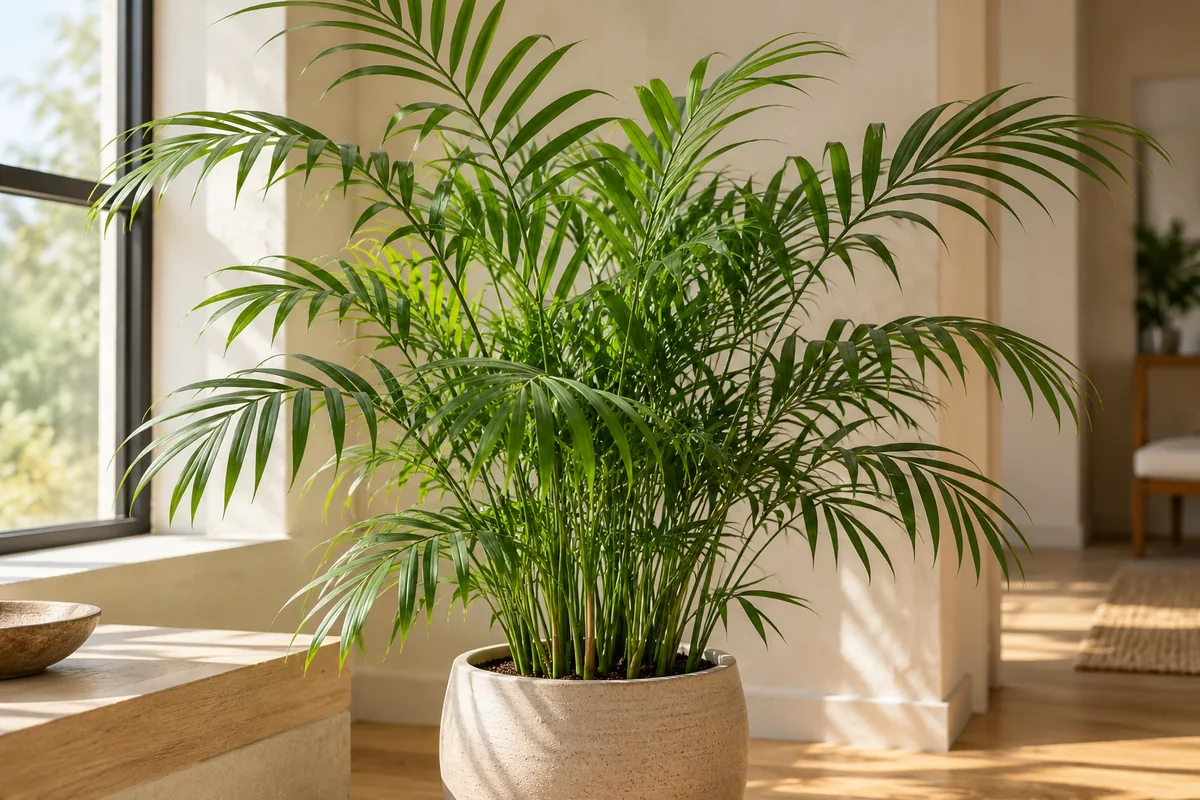
A sheltered patio can offer a useful summer growing space, but the first outdoor day is a large change for a plant that has lived behind glass. Light is stronger, wind is less predictable, and rain can alter a pot's moisture without your help. Begin by deciding whether the particular plant is a sensible candidate. Some indoor plants settle well outdoors in warm conditions, while others are easier to maintain in their established room. Check the species and its temperature needs rather than moving the entire collection as one group. A practical outdoor plan includes the position, the transition, the watering checks, and a clear route back inside when conditions change.
Watch overnight temperatures before choosing the move date. A warm afternoon does not guarantee a suitable night for a tropical plant. Different species have different minimum preferences, and a patio beside a warm wall can still cool sharply before dawn. Use a reliable local forecast and leave a margin above the plant's minimum rather than waiting for a damaging low. Keep the pots indoors if the forecast is uncertain or if you cannot bring them back promptly. The calendar is only a rough guide. A sheltered outdoor trial should begin when the conditions are consistently suitable, not when the first sunny weekend makes the patio look inviting.
Start in bright shade protected from strong wind and intense direct sun. Even sun tolerant plants can be marked by a sudden jump from indoor light to a full outdoor afternoon. Introduce the new exposure in gradual stages, observing the leaves and the drying rate of the pots. A short supervised period is easier to assess than leaving plants outside for an entire day immediately. Increase direct light only for species that need it and only after they have adjusted. Leafy tropical plants may remain in bright shade for the whole summer. Choose the actual exposure based on their requirements rather than assuming every outdoor plant should eventually reach the sunniest part of the patio.
Set pots on a stable surface where drainage holes remain clear and water can escape. Avoid placing a container directly into a depression that fills during rain. Pot feet or another suitable stable support can help keep the base clear, provided the arrangement cannot tip. Heavy foliage can catch wind, and a light nursery pot may need a secure outer container that still allows drainage. Keep leaves from rubbing against rough walls or rails. Consider how doors, chairs, and foot traffic use the space. A position that looks attractive in a photograph may be impractical if the plant is repeatedly brushed, knocked, or moved whenever the patio is in ordinary use.
Check moisture more frequently during the first outdoor period. Wind and brighter conditions can dry some pots quickly, while rain can keep others wet for longer than their indoor routine allowed. Inspect the mix rather than adding water after every sunny day or assuming a brief shower watered the whole root ball. Dense foliage can shed rain away from the pot, and a light shower may wet only the surface. Empty saucers after substantial rain and move plants that need drier conditions under suitable cover. The outdoor location changes the inputs to the pot, making direct observation especially useful until you understand the new pattern.
Inspect the foliage and pot surfaces regularly while the plants are outside. Look under leaves, around stems, and near drainage holes so unfamiliar changes are noticed early. Do not apply a treatment simply because a plant has moved outdoors. Identify any issue first and use only methods appropriate to the plant and setting. Clear fallen leaves from the mix and keep the arrangement accessible enough to examine. If a plant develops pale dry patches after a sunny spell, review its light transition. If it remains wet and limp after rain, review shelter and drainage. The response should follow the observed condition rather than a single broad explanation for all outdoor problems.
Continue evaluating whether the move is benefiting the plant. New growth with sensible spacing, firm leaves, and a manageable moisture pattern suggests the position is working. Persistent wind damage, repeated saturation, or a location you cannot monitor may make the indoor spot a better choice. There is no requirement to leave a plant outside until autumn once it has been moved. A forecast of unsuitable nights or a period away from home may justify an earlier return. Plan the indoor space in advance, keeping enough room to inspect returning plants separately before placing them close to the rest of the collection. The return is part of the summer plan, not an afterthought.
Record where each plant spent the season and how much light and shelter it received. Note which pots dried fastest and which needed cover from rain. These details will make the next summer transition easier and help you avoid repeating a position that proved awkward. Keep the observations tied to the species rather than treating a successful patio stay for one plant as evidence for every other. A sheltered summer move works when the outdoor environment matches the plant's needs and the care remains manageable. The gradual introduction, steady checks, and timely return provide the useful framework, allowing the plant to grow without being asked to tolerate unnecessary extremes.