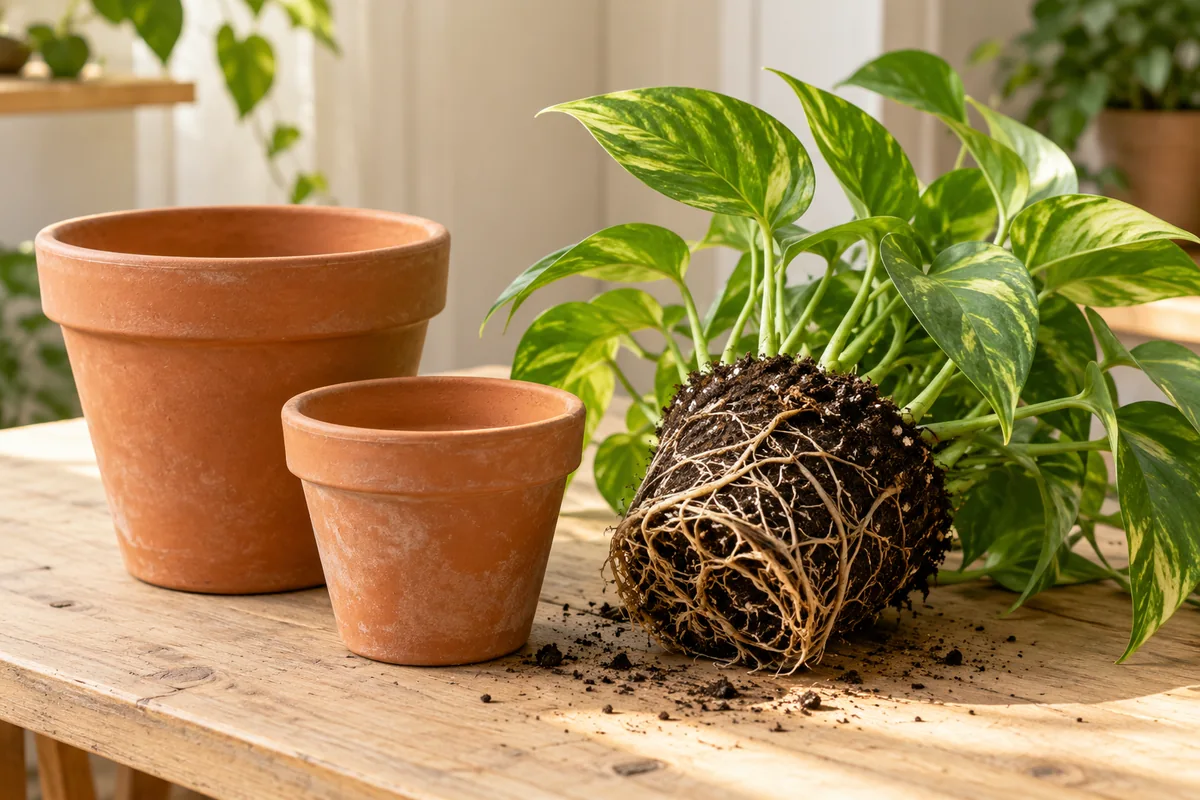
A cutting with its first visible roots is exciting to handle, and it is easy to imagine it filling a generous new pot immediately. The useful next step is smaller. Young roots need close contact with a suitable moist medium, and a tiny plant cannot use the water held in a large container quickly. Choose a pot for the root system that exists now, leaving a manageable amount of fresh space. The transition from a jar or propagation tray should make moisture easier to maintain, not surround a few delicate roots with a deep reservoir. Prepare everything before lifting the cutting so the roots are not left exposed while you search for supplies.
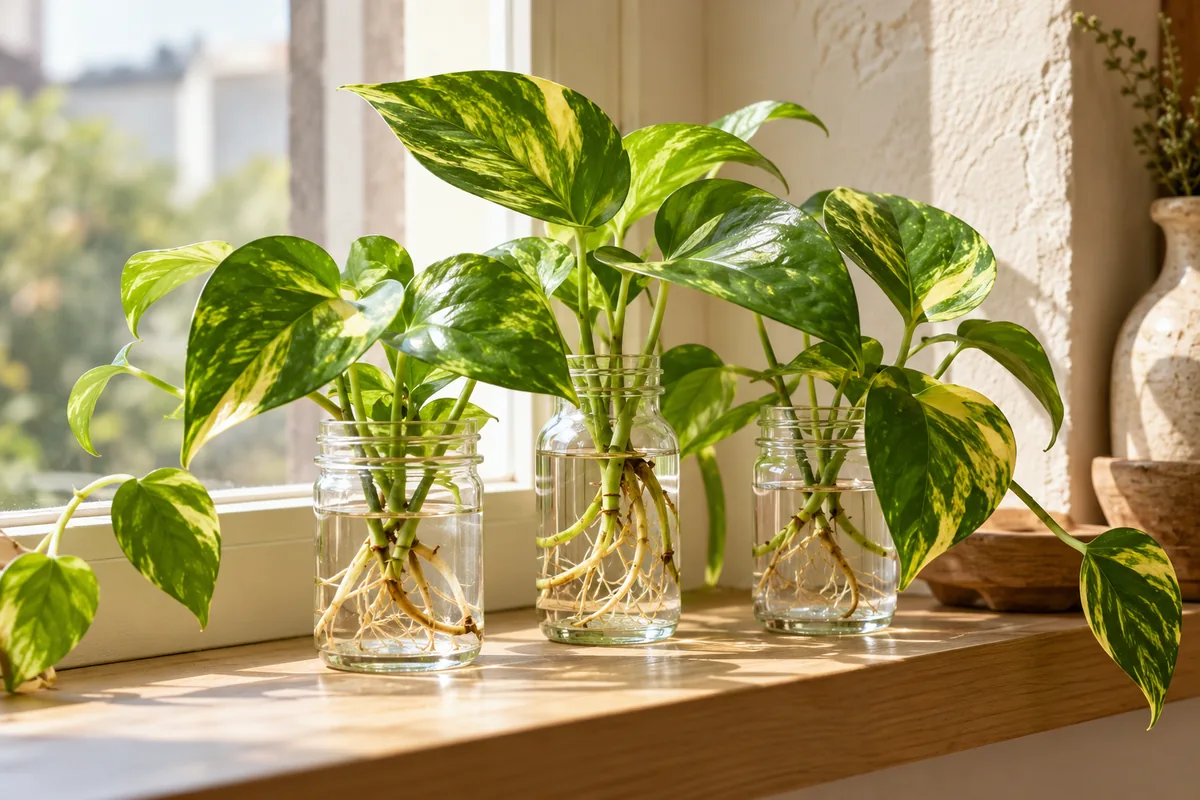
Check whether the cutting is ready for the move. A single short root tip may be less practical to pot than a small developing network, depending on the species and propagation method. Water rooted cuttings often benefit from enough roots to hold a useful contact area once placed in mix. A cutting rooted directly in medium may already occupy a small cohesive plug that can be transferred with less disturbance. Look for firm material and signs that the cutting remains stable. Do not tug repeatedly to test roots; resistance can come from the medium itself, and pulling can break the new structures you are trying to evaluate.
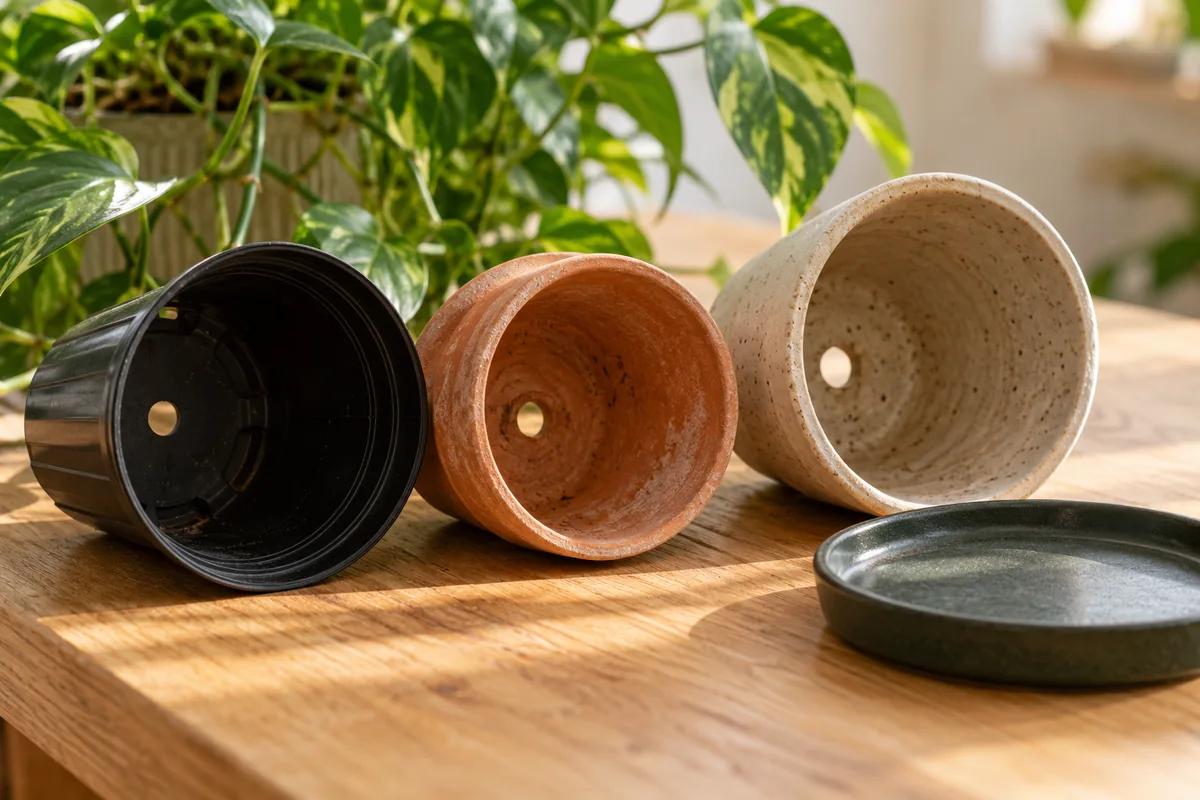
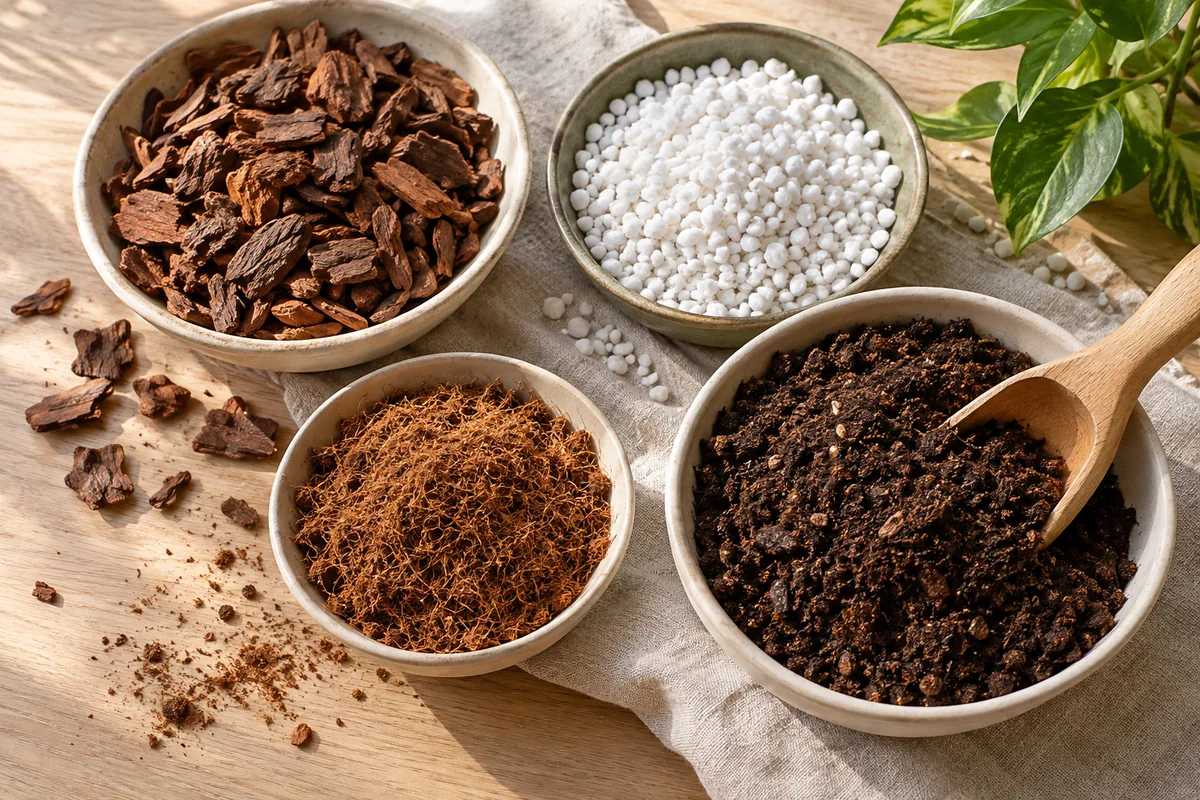
Use a clean small container with drainage and a growing medium suited to the species. Fine enough contact matters around small roots, even when the mature plant eventually prefers a coarser blend. An extremely chunky mix can leave broad dry gaps around a new cutting. At the same time, a dense saturated medium limits air around the roots. Lightly moisten appropriate dry mix before planting so it settles evenly without requiring a forceful first watering. A small nursery pot is easier to manage than a decorative bowl without an outlet. If you use an outer cover, keep the inner pot removable and inspect the hidden base after watering.
Make a planting opening before placing the roots. Guide them into the space gently instead of pushing the cutting down through packed material. Roots grown in water can be particularly easy to snap during this step. Spread them in a natural direction where practical and avoid folding long roots sharply against the base. Keep the stem at a suitable depth for that cutting, with leaves above the mix and the relevant rooted node positioned appropriately. Fill around the roots in small amounts and settle gently. The medium should support the cutting without hard compression. If it leans, a small temporary support is better than burying foliage or packing the whole pot tightly.
Water carefully to bring the new medium into contact with the roots, then allow excess to leave completely. For many leafy cuttings, the first weeks call for even moisture without saturation as they establish in the new material. That does not mean keeping a tray full of water beneath an ordinary drained pot. Check the mix frequently because a small container has limited reserves and can change quickly. The surface may dry before the lower area, so use a gentle touch and observe container weight. Species with succulent tissues may need a different moisture approach from soft leafy cuttings. Follow the plant's requirements rather than treating all rooted pieces as identical.
Provide suitable bright filtered light and a steady temperature. A cutting that rooted in a sheltered position should not be moved directly into strong sun simply because it now has a pot. Keep it away from direct heating or cooling airflow. If a propagation cover was used, reduce dependence on that enclosed environment gradually where the species and setup require it. Vent and inspect the cover rather than maintaining permanent condensation around the leaves. A newly potted cutting needs light for growth and enough air movement to avoid a stagnant wet enclosure. The objective is a stable transition, with only the necessary changes made at one time.
Do not feed heavily in anticipation of rapid growth. Check whether the selected mix already includes nutrients and let the cutting establish a predictable watering pattern first. A fresh leaf can emerge from reserves before the roots have fully occupied the container, so it is one clue rather than proof that the plant is ready for a larger pot. Keep labels if several species or dates are being compared. A simple record of potting date, medium, and placement helps explain differences later. Avoid taking the cutting out to photograph its roots after planting. New growth and gradual changes in water use provide useful information without repeating the disturbance.
As the cutting becomes established, allow care to approach the normal routine for that species. The next pot increase should wait for evidence that the current root space is being used, such as a developing root network and a consistent change in drying. A small plant can look leafy while still benefiting from its compact container. If it wilts, check the medium before adding water; both overly wet and overly dry conditions can affect a young root system. A proportionate pot, gentle planting, and measured moisture give the new plant a practical start. The transition succeeds through steady root contact and suitable conditions rather than an oversized container or a complicated feeding routine.