A compressed block of coir looks much too small to fill several pots until water reaches the fibers. As it expands, the material becomes a springy growing ingredient that is easy to handle and combine with other components. That transformation is useful, yet it is only the first part of preparation. Coir products differ in processing, texture, and intended use. Some are ready for horticultural blending, while others need particular rinsing or treatment described by the supplier. Read the label before opening the block. The plant needs a suitable finished root environment, and the word coconut on the package does not make every product interchangeable.
Choose horticultural coir from a supplier that explains how it has been prepared. Coir can contain soluble salts from its original material and processing, so washing and buffering information matters. A product sold as washed and buffered has undergone different preparation from an untreated fiber block. Do not assume that a quick soak at home reproduces every commercial treatment. If the instructions are unclear, select a product with clearer information rather than inventing a fertilizer bath. Keep the packaging details for future reference. That allows you to compare batches and makes it easier to understand a change in plant response after repotting into a new supply.
Use a clean container large enough for the expanded volume. Add the amount of water recommended by the supplier gradually, allowing the block to absorb it before breaking the material apart gently. A block can expand unevenly, leaving a firm dry center beneath loose wet fibers. Turn and separate it until the texture is uniform. Do not force dry chunks around roots and expect the first watering to finish the job inside the pot. Expansion changes the volume, which can lift or compress the plant unpredictably. Prepare the ingredient fully before measuring it into a blend so the proportions describe the material that will actually occupy the container.
If the product calls for rinsing, follow those directions and let excess water drain away before blending. Use water appropriate to the instructions and avoid leaving the fibers in a dirty bucket from previous garden work. Coir should be damp and manageable rather than dripping when combined with most potting ingredients. Squeeze a small handful to assess the state, then spread or drain the material further if necessary. A very wet batch makes it difficult to judge the finished texture and can encourage excessive packing. Work with modest quantities so unused prepared material does not remain forgotten in a sealed soaking container for a long period.
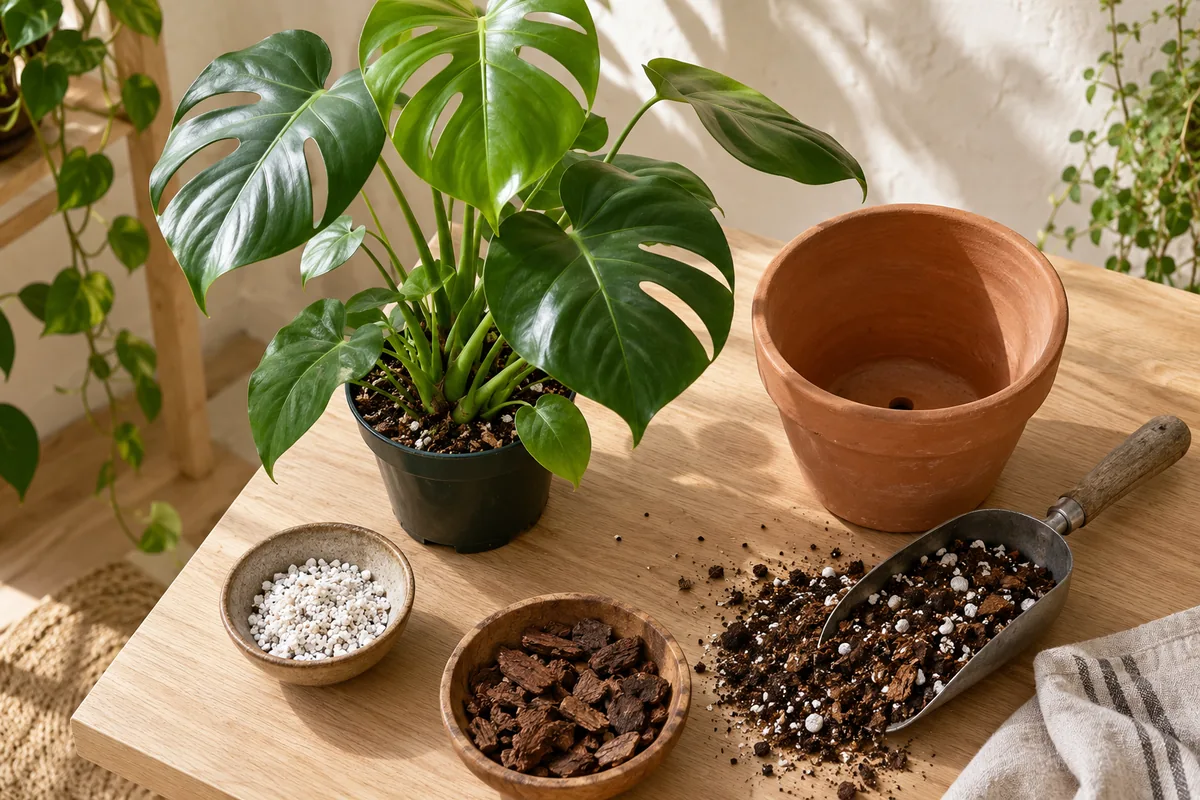
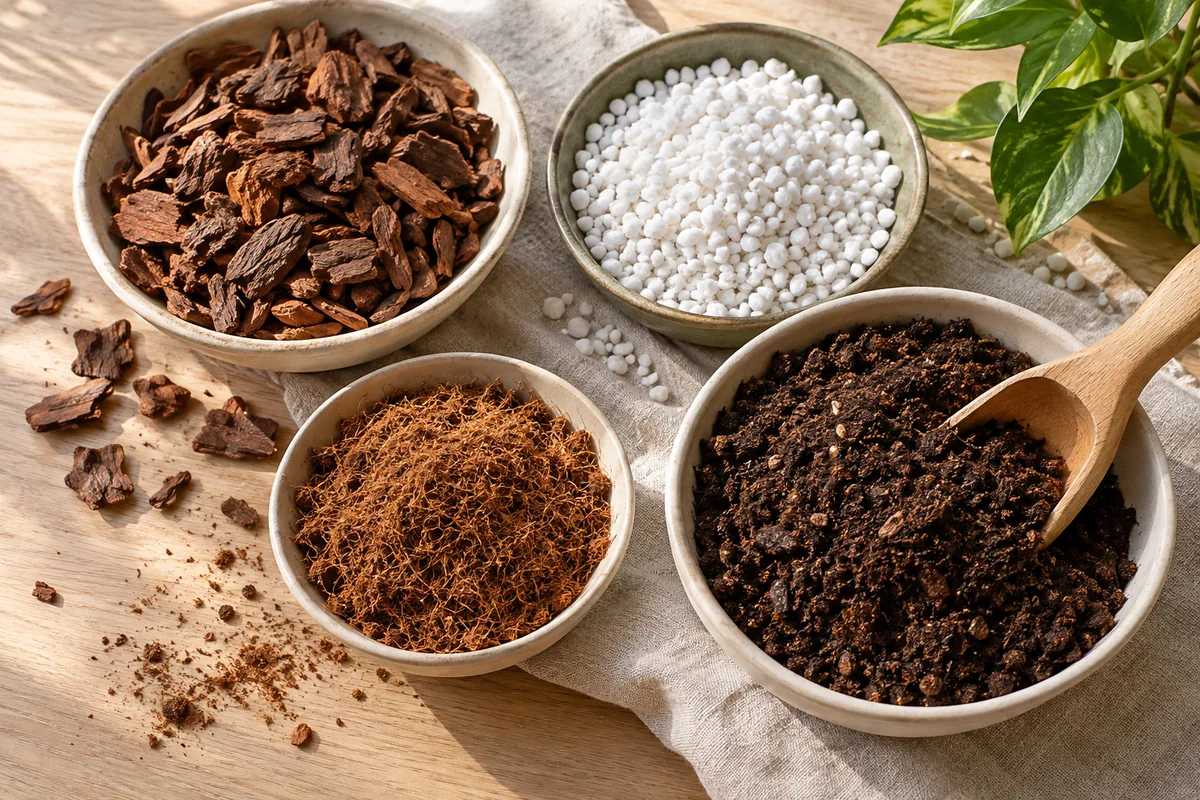
Coir is an ingredient, not automatically a complete houseplant mix. Its nutrient content and chemistry differ from a formulated commercial growing medium, and many plants need other components to create suitable structure. Bark, perlite, and other horticultural materials may be included according to the plant's needs. Use a measured recipe with a clear purpose rather than adding materials until the color looks right. Fine coir retains moisture differently from coarse coconut chips, so identify which product you have. A blend suitable for a fern may be too moisture retentive for a slow growing succulent in a cool room. The root system and environment remain part of the decision.
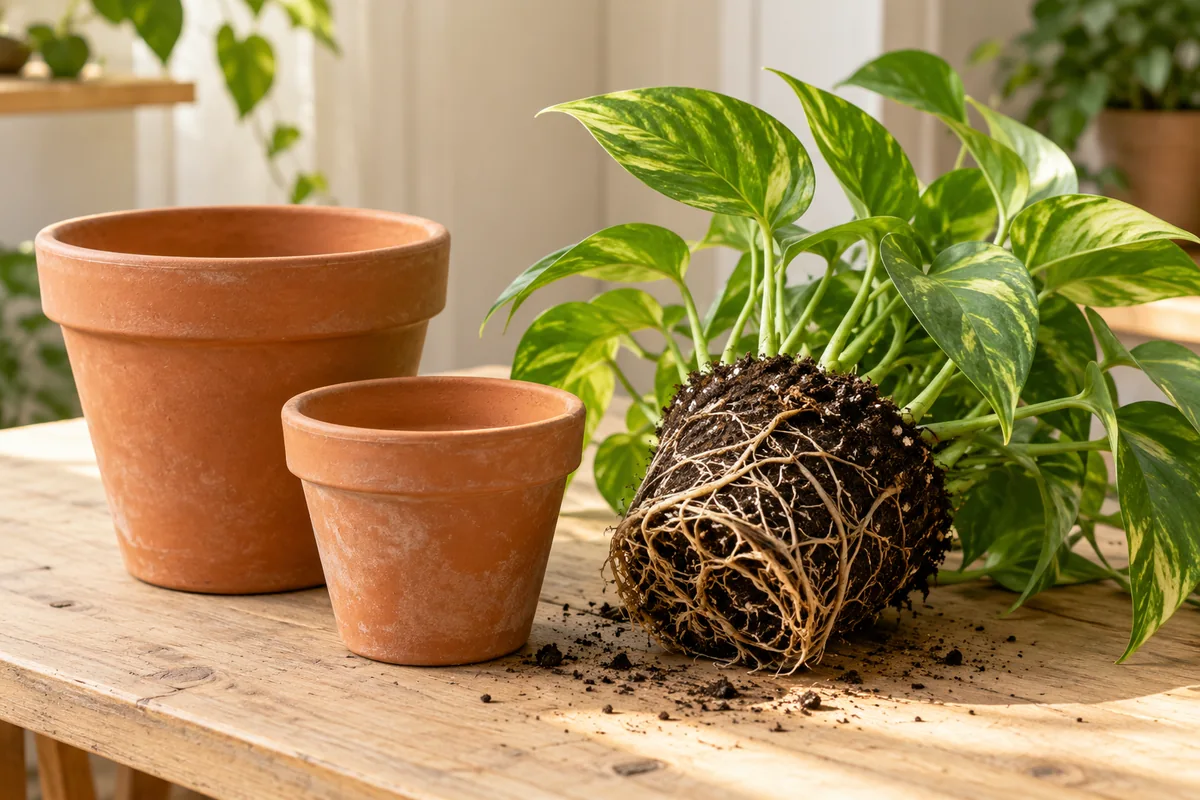
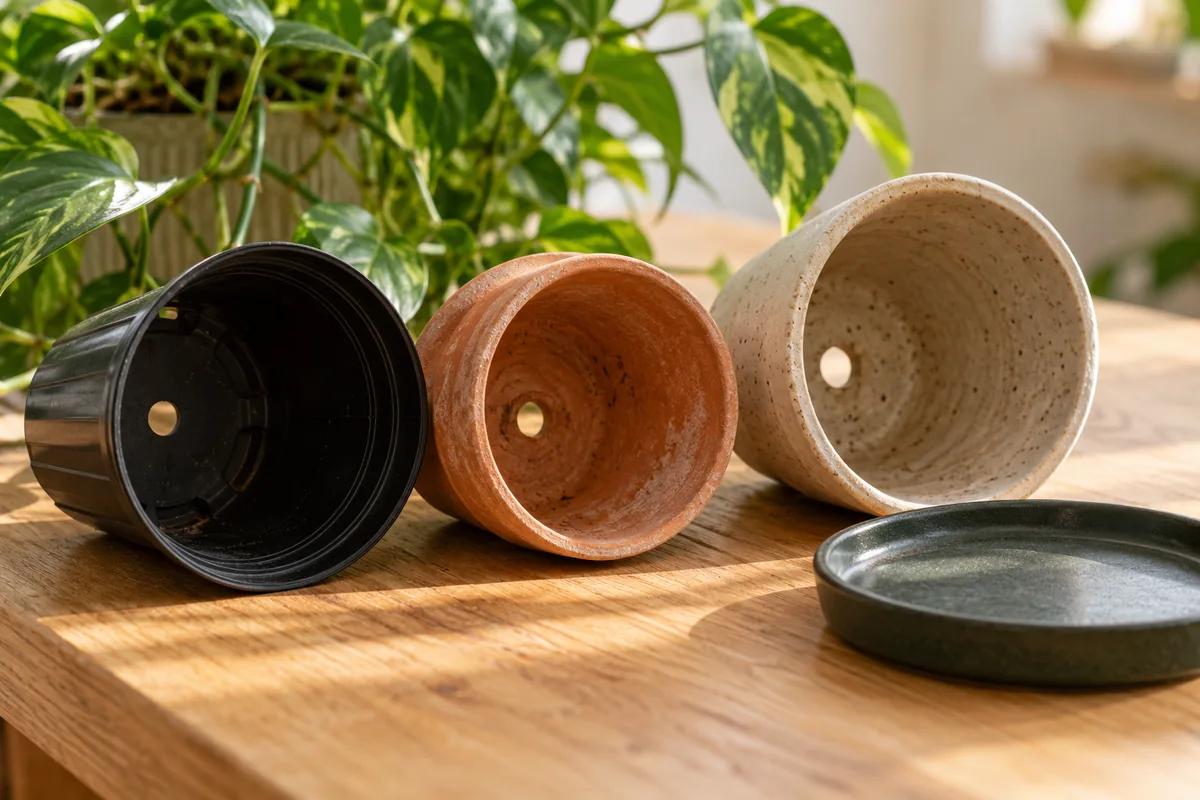
When potting, distribute the blended medium evenly around the roots without forcing it down hard. Use a container in proportion to the root ball, with clear drainage openings, and keep the plant at its previous depth. Lightly moist coir can settle readily into gaps, which is useful if you preserve air spaces rather than compressing the whole container. After an appropriate first watering, let surplus water drain and empty the saucer. Do not leave a coir based mix standing in a decorative cover filled with runoff. Moisture retained within the fibers is already part of the plant's supply; an additional hidden reservoir changes the conditions considerably.
Learn how the new blend dries. The surface can feel different from the interior, and a familiar watering interval from another mix may no longer fit. Check deeper where practical and use container weight as a comparison after establishing a new wet baseline. Coir can remain springy even when its moisture level has changed, so appearance alone may be misleading. Observe the plant's new growth and the time the root ball takes to reach its appropriate watering point. Follow a suitable feeding plan for the finished mix and the species, taking account of any fertilizer already included. More fertilizer is not a substitute for understanding a persistently wet container.
Store dry unused coir in a clean sheltered place and keep prepared material according to its directions. Label any homemade blend with the ingredients and proportions while you still remember them. If a plant performs well, those notes let you repeat the result rather than beginning from a new guess each time. If the mix behaves poorly, review the coir preparation alongside pot size, light, and other components. Properly prepared coir can be a practical part of container growing. Its value comes from understanding the particular product and incorporating it into a root environment that supports predictable moisture, air spaces, and steady growth for the plant concerned.