The white specks in a bag of potting mix are easy to overlook until you begin making a blend of your own. Perlite is a lightweight expanded mineral material used to change the physical structure of a growing medium. It does not feed the plant in the way fertilizer does, and it is not a cure for every wet pot. Its usefulness depends on how it is combined with the other ingredients and on the container holding them. Before adding a generous scoop, consider what you want to change. More visible white particles do not automatically mean that roots will receive the right balance of moisture and air.
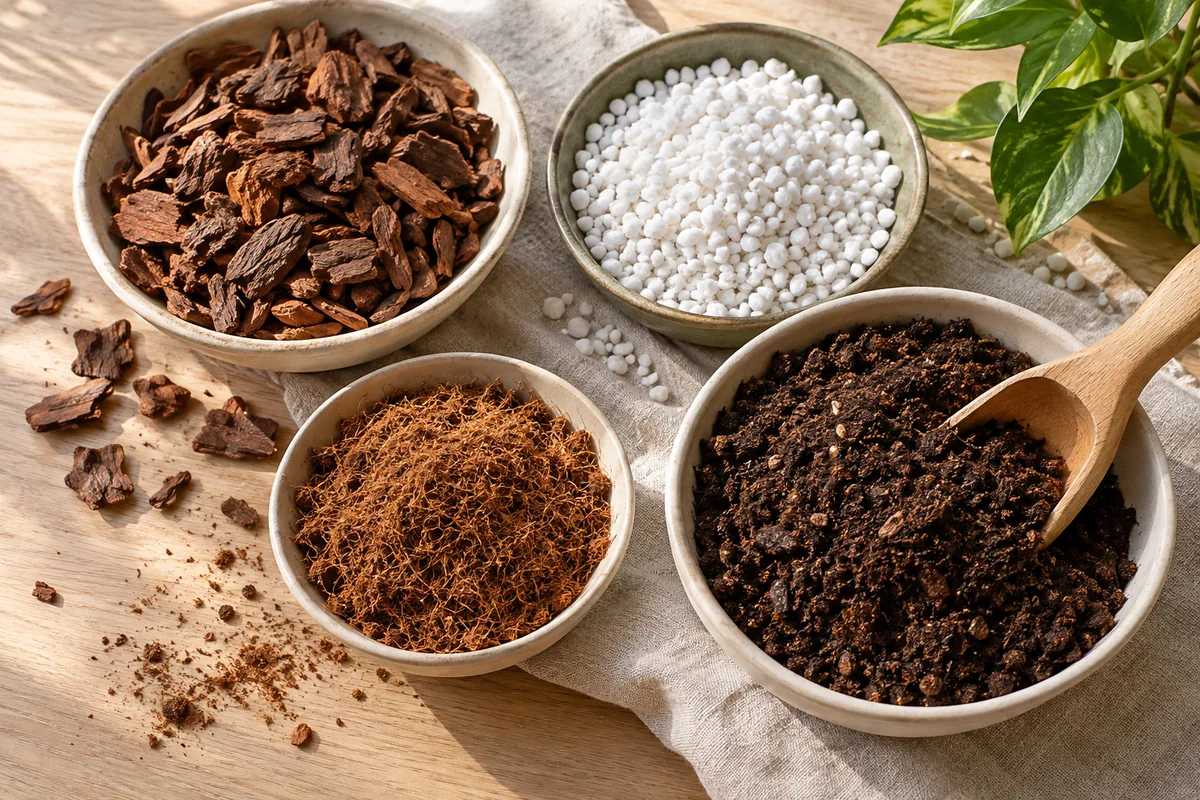
Perlite begins as volcanic glass that expands when heated, creating a porous lightweight particle. In container mixes it can help maintain larger spaces among finer ingredients and influence how water moves through the medium. Commercial grades vary in particle size, with fine material behaving differently from coarse pieces. A blend containing a large proportion of tiny particles is not equivalent to one containing the same volume of chunky perlite. Look at the actual material rather than relying only on the name. If you are repeating a successful mix, keep the grade consistent so the next batch resembles the one whose watering behavior you already understand.
Handle the dry material gently because it can be dusty. Work in a well ventilated area, avoid pouring from a height, and lightly dampen it if the product instructions permit. Keep loose material away from food preparation surfaces and clean the work area afterward. Use a scoop to measure by volume rather than judging the amount from the whiteness of the finished blend. Dark wet coir and pale dry perlite can make proportions look different as moisture changes. A consistent container for measuring gives you a more repeatable result. Record the ingredients and approximate volumes so you can assess the mix after the plant has used it for a while.
Start with the needs of the plant. A fern that appreciates consistent moisture and a jade plant that needs a more substantial drying interval should not automatically receive the same blend. Perlite can be included in many mixes, yet its proportion should relate to the other components and the growing environment. Bark adds a different texture and changes as it decomposes. Coir and fine organic material retain moisture in their own ways. Rather than adding perlite until a mix appears airy, squeeze a lightly moistened sample and examine how it falls apart. This rough handling check helps you notice dense clumps without pretending to measure every property precisely.
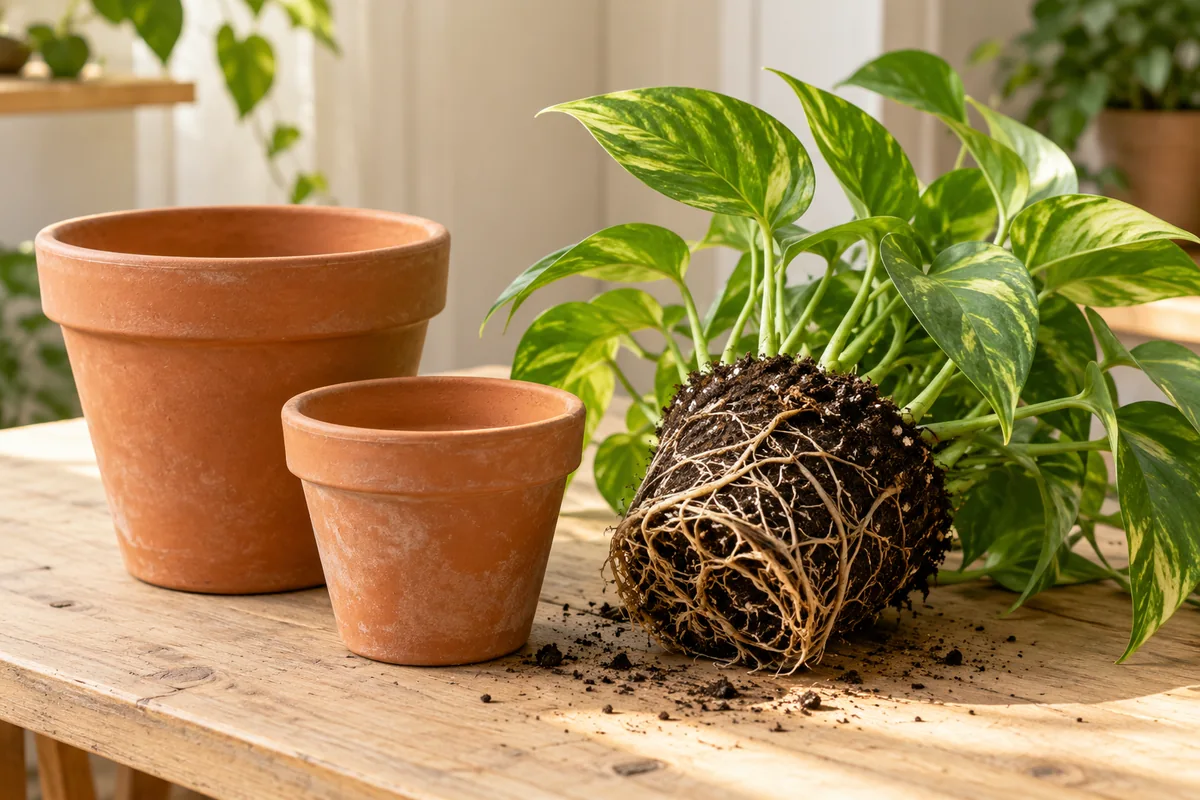
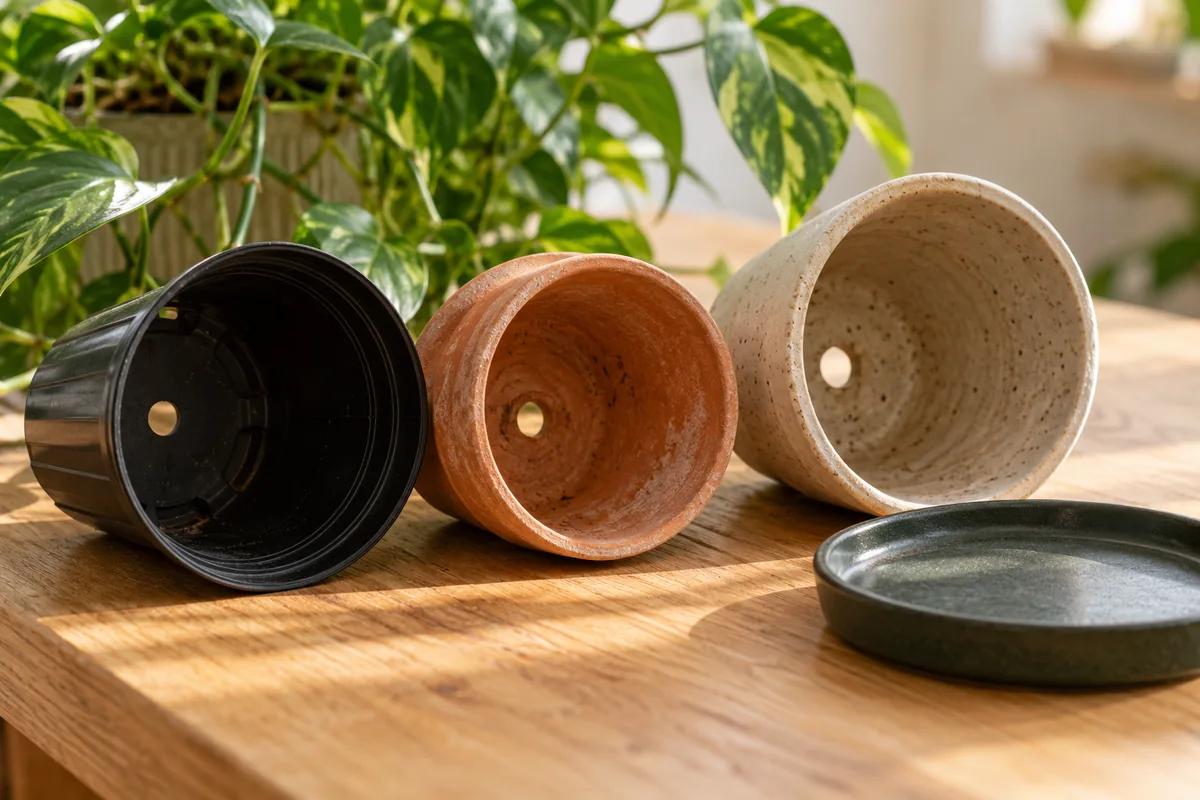
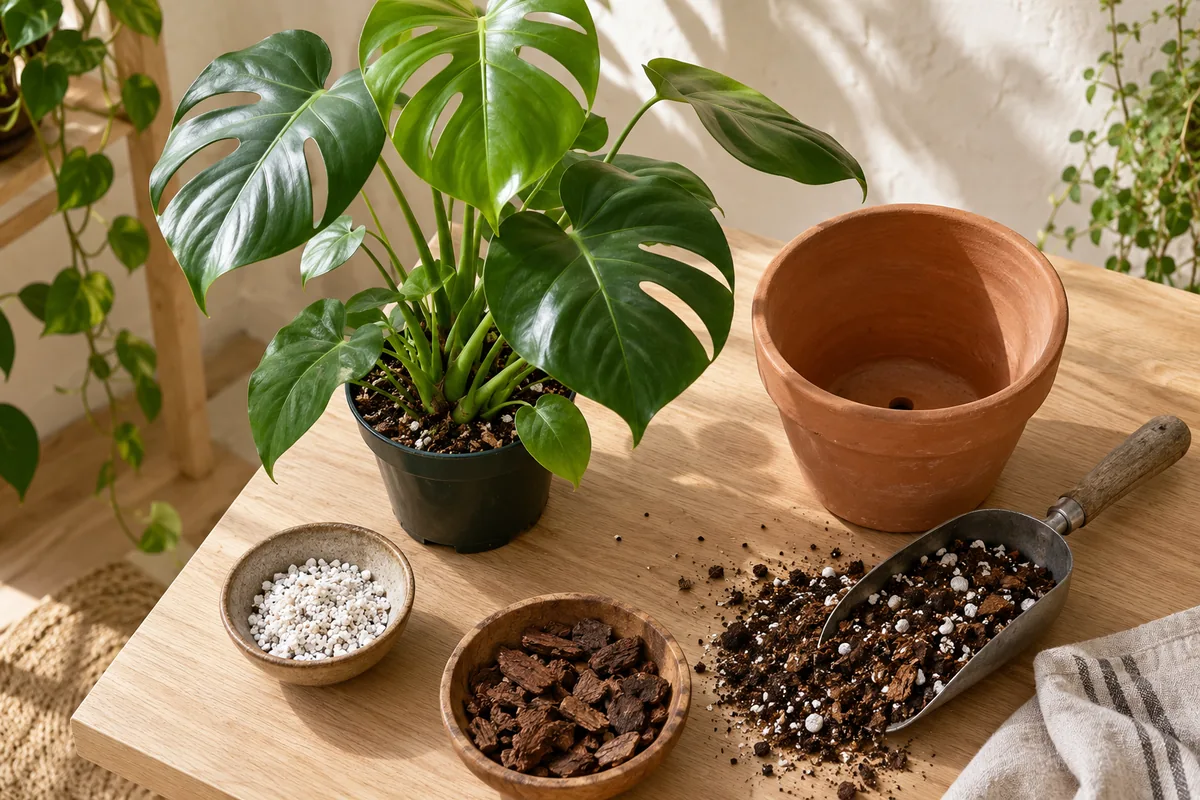
Mix the ingredients thoroughly so roots encounter a reasonably consistent medium. A layer of pure perlite at the bottom does not serve the same purpose as evenly distributed particles throughout the root zone. Separate layers can create boundaries with different moisture behavior. Use the selected blend beneath and around the root ball, keeping the plant at its previous depth. Settle it gently without crushing or packing the material hard. Confirm that drainage openings are clear and leave enough space below the rim for watering. Perlite cannot create an outlet in a sealed container, and a large oversized pot can still retain more water than its roots use.
Observe the first few watering cycles carefully. Lightweight particles may rise or shift at the surface if water is poured forcefully in one spot. Apply water evenly and slowly, allowing the whole mix to absorb it. Floating perlite is mainly a practical sign that the watering method or blend deserves attention, not proof that the ingredient has stopped working. Check moisture beneath the surface and compare container weight as it dries. A pale surface can look dry before the central root ball reaches the same state. Keep the plant's appropriate watering threshold in mind instead of watering whenever the top looks visually lighter.
Over time, the rest of the mix changes even when perlite itself remains recognizable. Organic ingredients soften, roots fill the spaces, and repeated watering can move finer particles. A pot that once dried evenly may become compacted or crowded with roots. Adding a thin layer of perlite on top does not rebuild the structure deeper in the container. When repotting is justified, inspect the whole root ball and refresh the medium appropriately. Avoid repeatedly disturbing roots just to adjust a blend by a small amount. A clear watering record and observations of new growth give a better basis for deciding whether the next mix should differ.
Perlite is most useful when it has a specific role in an otherwise suitable setup. Choose the grade deliberately, measure the amount consistently, and combine it with ingredients appropriate for the plant. Keep drainage and pot size in view, then assess the result over several normal watering cycles. If the mix remains too wet, look at the room and roots before assuming that another handful will solve the problem. If it dries too quickly, reconsider the whole blend rather than removing moisture checks from the routine. Understanding the ingredient's physical contribution makes it easier to use thoughtfully and to repeat a mix that supports steady growth in your conditions.