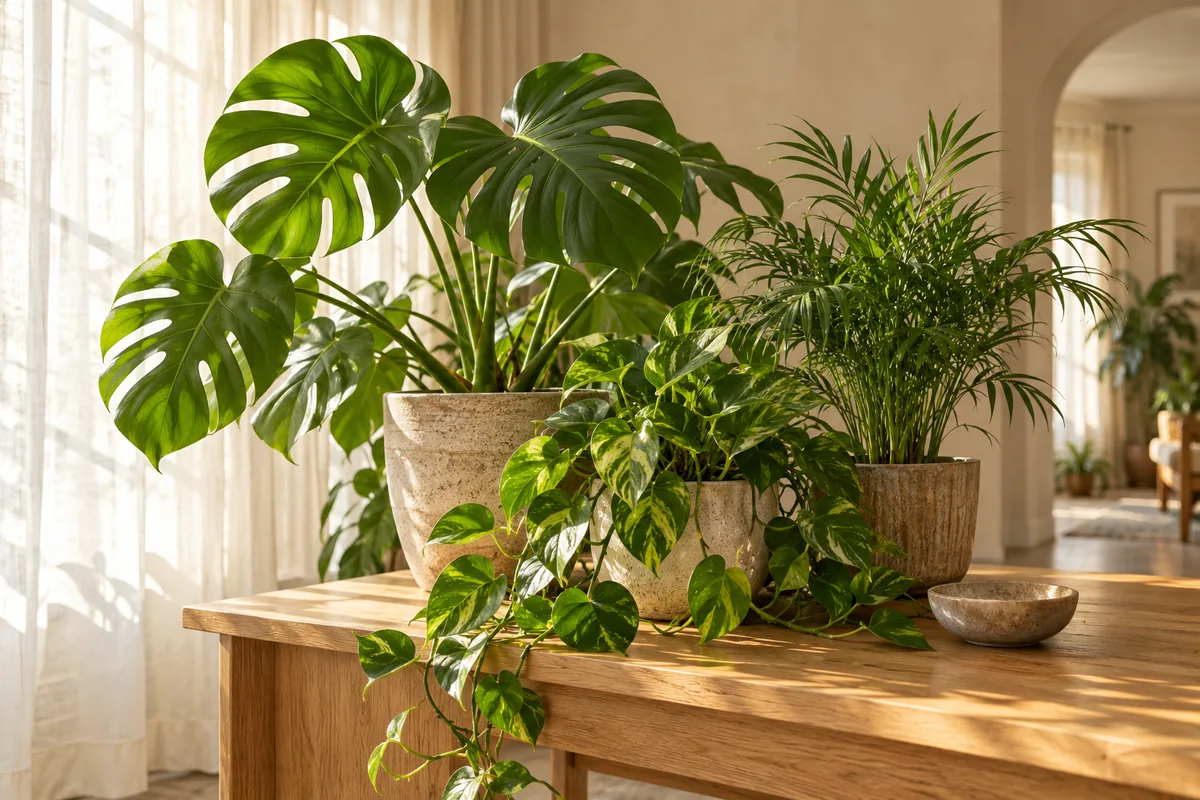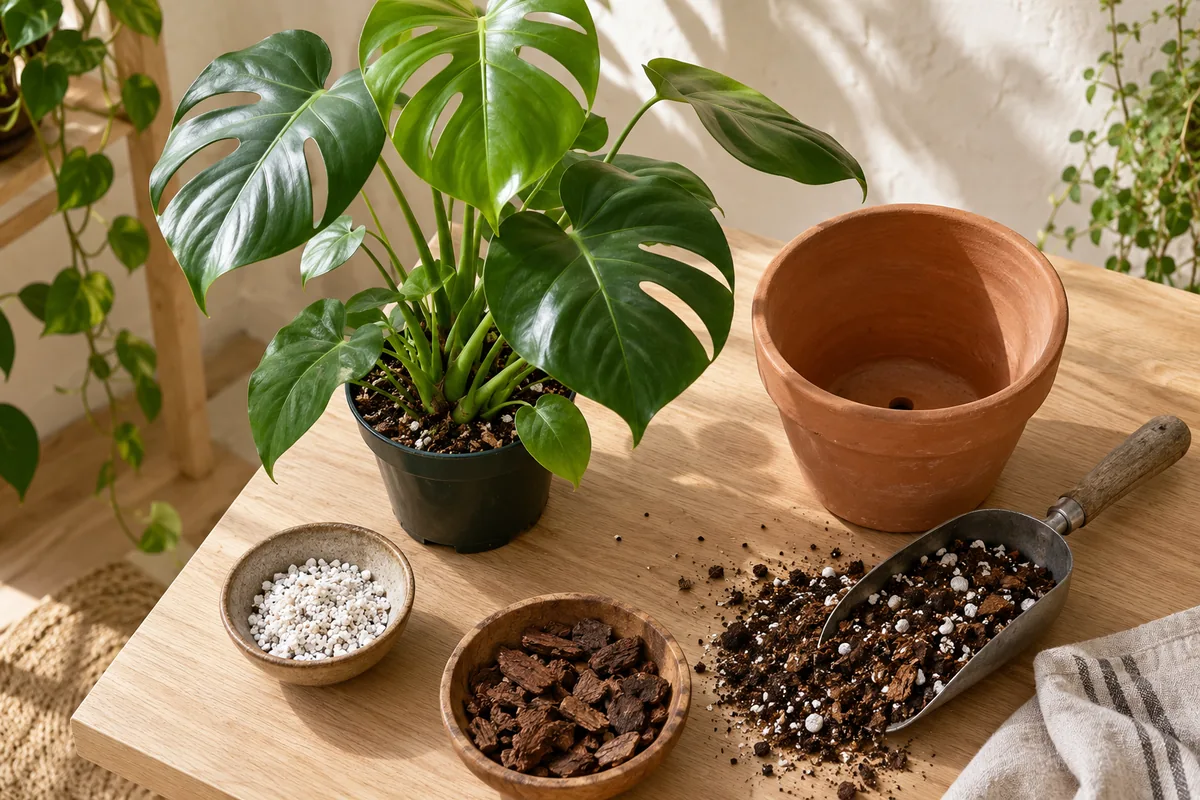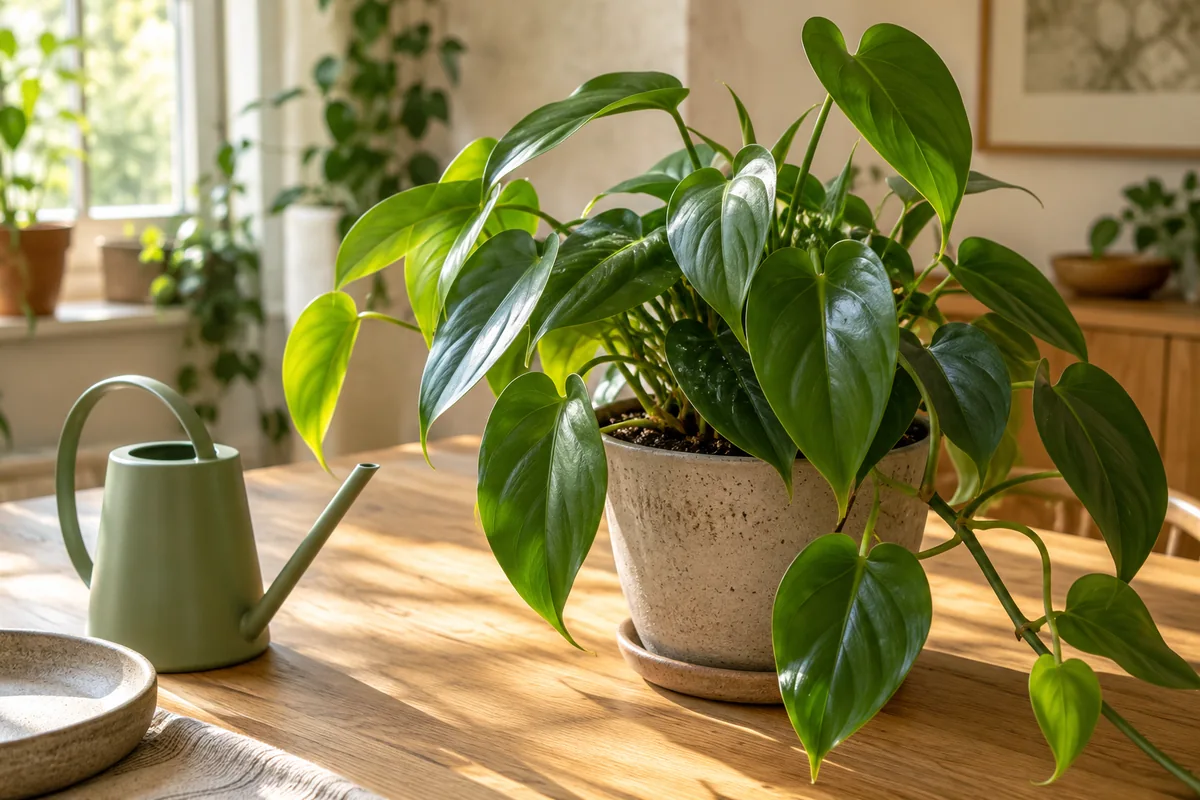
Summer can shorten the interval between waterings without making every plant thirsty on the same day. A small pot near a sunny window and a large planter in a shaded room may behave very differently during the same warm week. Begin with the container in front of you. Notice its weight, the feel of the mix below the surface, and how the leaves change through the day. These observations are more useful than adding water whenever the weather report mentions heat. The aim is to understand how that particular plant and pot are using water, then respond when its root zone reaches the drying point appropriate for the species.
Lift a manageable pot after it has been watered and fully drained, then compare its weight as the days pass. The difference can become a helpful clue, especially for small nursery containers whose surface dries quickly. Do not lift a heavy planter in a way that risks injury or damage; use accessible moisture checks instead. Feel the mix below the top layer where you can do so without disturbing roots. A pale surface may conceal a damp center. Keep decorative stones or thick coverings from hiding the material while you are learning its pattern. A little open surface makes the ordinary care decisions much easier to explain and repeat.
Check the plant's position as well as the pot. Stronger light, warmer surfaces, and moving air can increase drying, while a closed room with drawn curtains may slow it. Air conditioning can alter both temperature and airflow. The same pot may behave differently after it is moved a short distance from a window or placed beside a vent. Record changes in position before changing the watering interval. If a plant dries unusually fast, examine root crowding and the amount of mix remaining too. Repeated rapid drying can be a sign of a crowded container, though one hot afternoon alone is not enough evidence to justify an immediate repot.
When water is needed, apply it slowly across the surface so the whole root ball has a chance to absorb. Continue until excess water can leave the drainage holes, then let the pot drain and empty the saucer. A quick splash in one spot can leave much of the root zone dry. If the mix has become very dry and water runs down the sides, use slower passes and allow a short interval for absorption. Check the center afterward rather than assuming runoff means the job is complete. Avoid leaving the plant standing in water as a shortcut for summer care unless the container belongs to a suitable managed watering system.
Learn the difference between temporary afternoon posture changes and a dry root ball. Some plants lower or curl their leaves during a warm part of the day and recover later when conditions ease. That response deserves observation, not automatic soaking. If the mix is already wet, more water may reduce air around the roots without helping the leaves. A plant that remains limp into the cooler period needs closer inspection of moisture, roots, and exposure. Keep the species in mind as well. A fern and a jade plant should not be judged by an identical dryness rule merely because both are kept indoors and happen to occupy similar looking pots.
Pot material influences the pattern you observe. Unglazed terracotta often loses moisture through its sides, while plastic or glazed containers usually retain it longer under comparable conditions. Size matters too: a small volume can change quickly, and a large dense root zone may stay wet beneath its surface. Decorative outer pots can conceal runoff, so remove the inner pot or inspect the bottom after watering. Check drainage holes for obstruction and keep the container stable on its saucer. These practical details often explain summer watering differences more directly than a broad instruction to water all plants more often when temperatures rise. Make the adjustment at the pot level whenever possible.
Plan for unusual days rather than waiting for a plant to become severely dry. Before a warm spell, check which containers are already approaching their usual watering point and which still hold ample moisture. Water only those that need it and consider filtering intense sun if the room overheats. If you will be away, test any proposed watering arrangement beforehand. A new device should not receive its first trial while the home is empty. Grouping plants for easier inspection can help, provided each still gets suitable light and room for its leaves. Keep a brief note for anyone helping so they check moisture rather than distributing equal amounts to every pot.
Review the pattern after a couple of weeks. You may find that only a few plants need more frequent attention while the rest remain close to their earlier routine. Note the container material, position, and signs that indicate readiness for water. The record need not be elaborate; a date and a short moisture observation can reveal useful differences. Summer watering becomes simpler when the task is checking rather than automatically pouring. Each check connects the weather, the room, the plant, and its roots. That habit remains useful when the season changes again and the same pots begin drying more slowly, preventing a summer routine from continuing after the conditions that required it have passed.