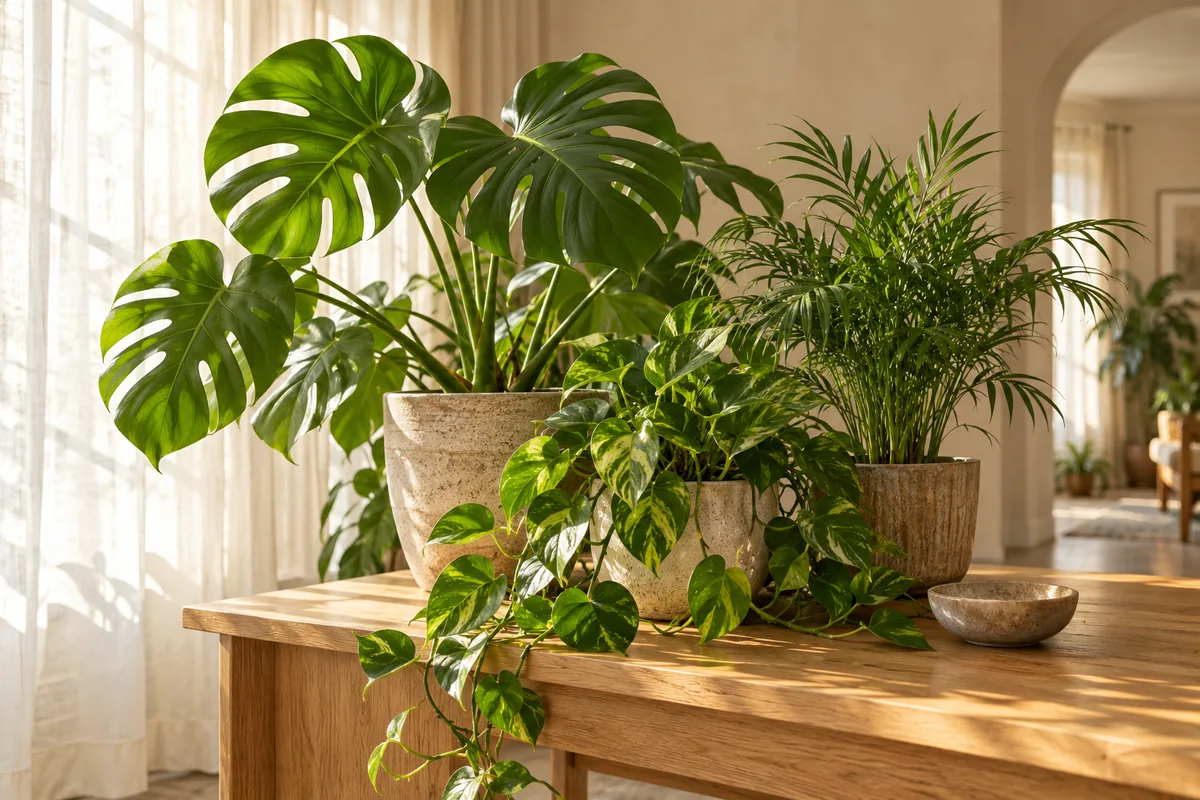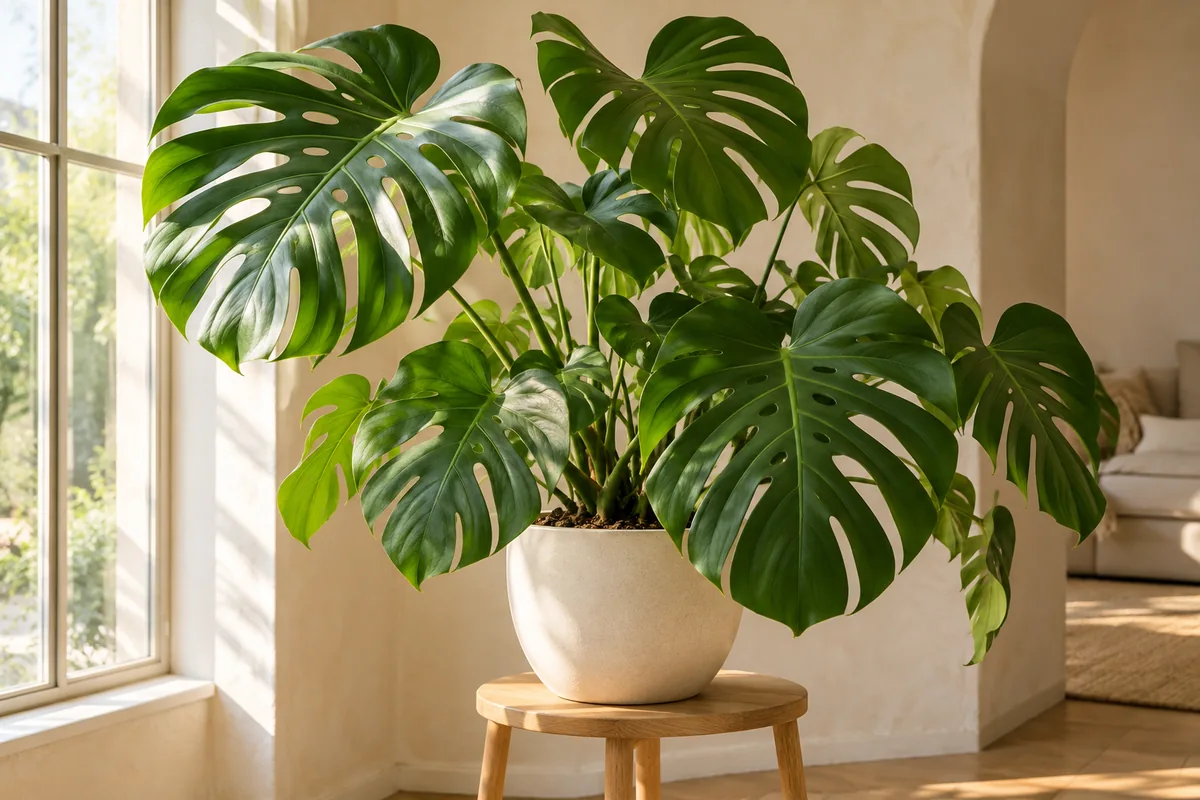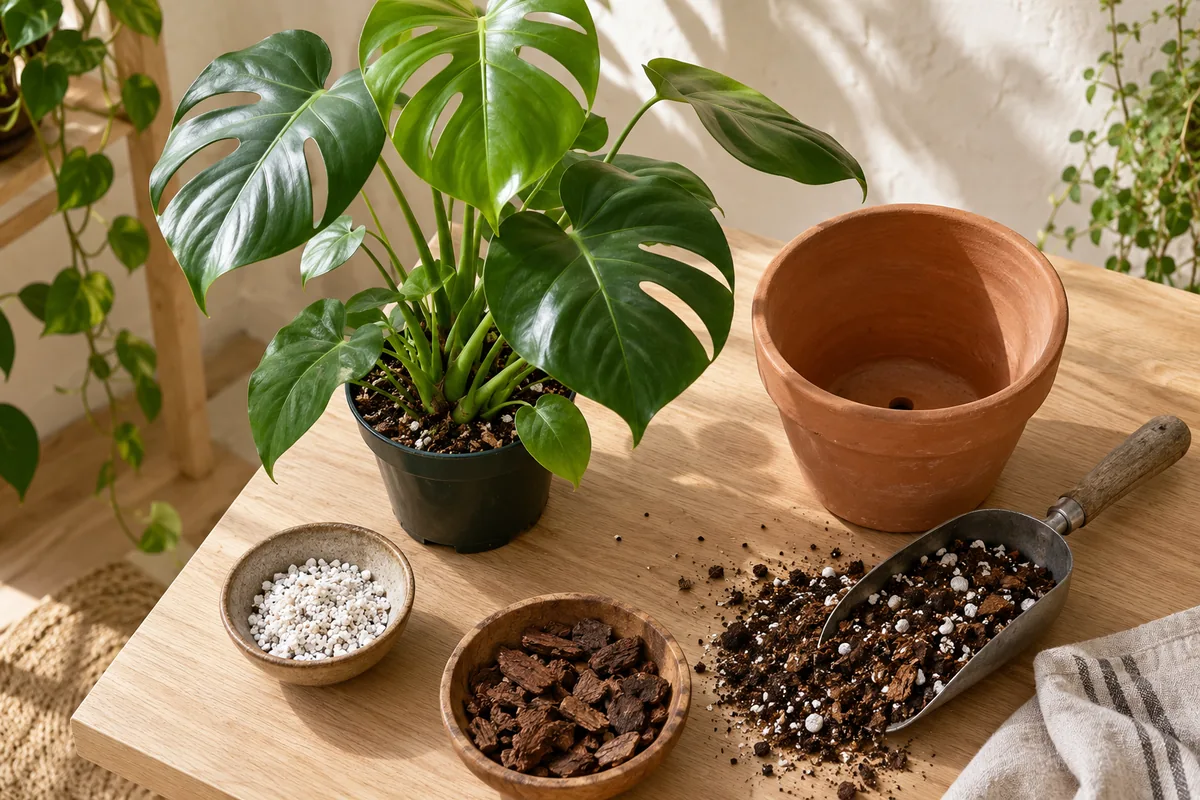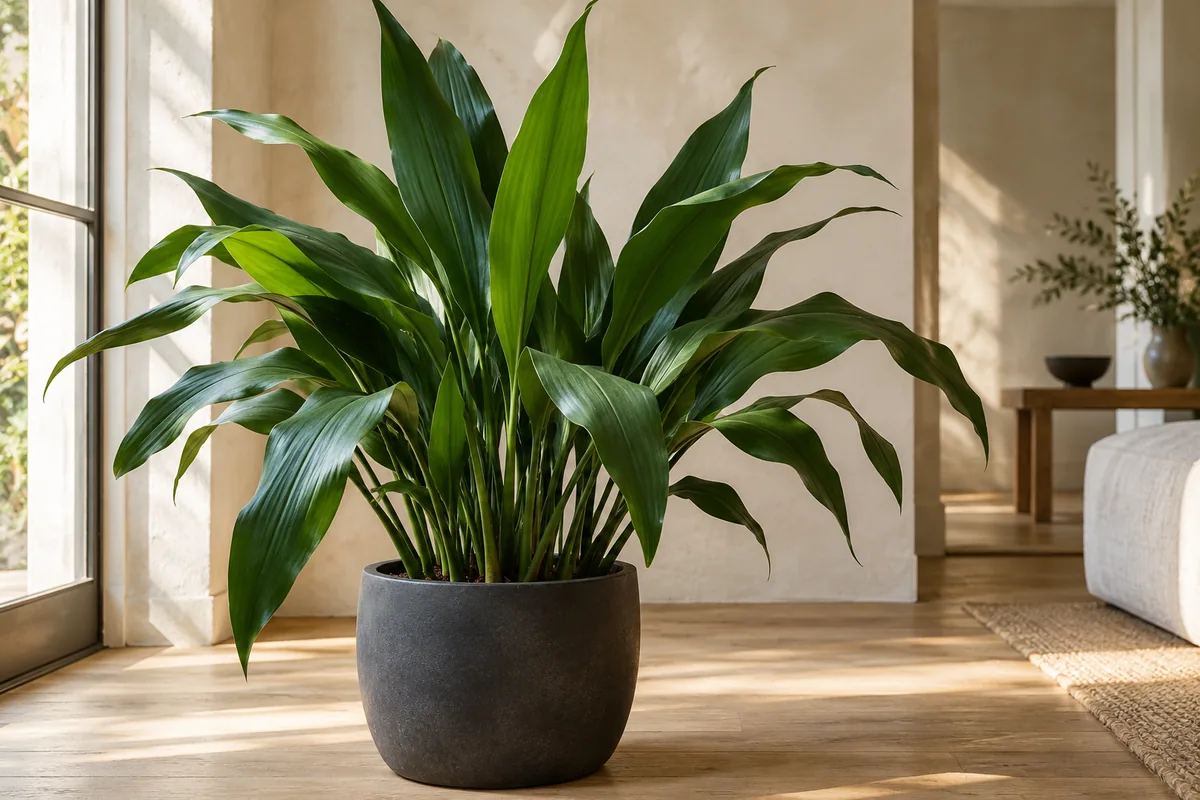
A plant beside a winter window can spend the day in pleasant light and the night in a much colder pocket of air. The room thermostat rarely describes that narrow space accurately. Check where the leaves and pot actually sit, especially behind curtains or near a frame that leaks air. A short distance can separate a workable bright position from one that repeatedly chills the foliage. Start by observing the window at the coldest part of the day you can manage, often early morning. Notice whether leaves touch the glass, whether the pot rests on a cold surface, and whether opening a nearby door sends a draft across the plant.
Use a simple room thermometer near the plant if you need a clearer picture of the overnight conditions. Keep it out of direct sun when measuring the general temperature at that position. Compare the reading with the requirements of the species rather than assuming every houseplant has the same tolerance. A plant adapted to a cool bright space differs from a tropical specimen that needs consistently warmer air. Windows can vary within one home because of their construction, exposure, and heating arrangement. Inspect the actual location instead of treating all windows as unsuitable. The aim is to preserve useful daylight while avoiding an unnecessary temperature extreme at the plant's leaves and roots.
Move leaves clear of the glass and avoid trapping them between a closed curtain and a cold pane. Pull the pot into the room at night if the position becomes too cold, choosing a small practical movement rather than a daily journey to a completely different environment. A stable stand slightly back from the sill may provide a better permanent arrangement. Check that the new location still receives adequate light through the day. Moving a sun loving plant into a distant dark corner solves one issue by creating another. Where no window position is workable, suitable supplemental lighting can be considered as part of a stable indoor setup rather than a hurried reaction after foliage has already been chilled.
Look beyond the window itself. Entry doors, frequently opened patio doors, unheated corridors, and ventilation routes can create brief repeated drafts. A plant may be affected even when it is not directly beside a pane. Observe how the room is used and place pots clear of those paths. Hot air from a radiator or vent is not a suitable countermeasure to cold exposure; it can dry leaves rapidly and create sharp temperature swings. Choose a position with even conditions instead. Keep pots stable and walking routes clear when rearranging the room. A plant stand should support the full weight of a watered pot and allow ordinary access for checking moisture.
Watering needs to match the cooler root environment. A pot near a cold surface may dry slowly even if the upper room feels warm. Check the mix below the surface and avoid adding water according to a summer interval. Use water close to room temperature rather than an unusually cold supply, and allow the pot to drain fully. Hidden water inside a decorative cover can remain around the roots for a long time. Empty it and check again after watering if the inner pot continues to release runoff. A chilled plant with wet mix needs an assessment of position and drainage, not an automatic extra drink because its leaves have changed posture.
If leaves develop marks after a cold night, note where the marks appear and whether those leaves were nearest the glass or draft. Damaged tissue may not regain its earlier appearance. Give the plant stable suitable conditions and watch the new growth rather than cutting away every imperfect leaf immediately. A severely affected stem or growing center deserves closer inspection. Avoid feeding heavily as a general response to temperature damage. Nutrients do not reverse chilled tissue. Keep the moisture appropriate and allow time to see which parts remain firm. A photograph taken when the issue is first noticed helps distinguish old damage from any new change after you improve the position.
Newly purchased plants and plants moved between buildings need protection during winter transport as well. Plan the route, keep exposure brief, and avoid leaving pots in a cold vehicle while other errands continue. Packaging should protect the foliage without crushing it. Let the plant settle in a suitable indoor position after arrival rather than placing it immediately against cold glass to admire it. The same care applies when moving established plants during a house move. A short unprotected journey can create changes that appear only later, making it useful to note the date and conditions. Transport and permanent placement are separate parts of keeping a winter plant's environment steady.
Review the arrangement when colder weather arrives or when household heating routines change. A window that worked in early winter may become unsuitable during a severe cold spell. Record which positions remain dependable overnight and which need a different stand or curtain arrangement. Those notes can simplify future seasonal care. The goal is a bright usable place with conditions appropriate to the species, rather than the closest possible contact with daylight at any cost. Once the plant is clear of drafts and cold surfaces, its watering pattern becomes easier to judge and ordinary slow winter growth is less likely to be confused with a problem caused by the room itself.